EN
 English
 中文简体
 Français

Custom Versatile Alone/Multiple Units Belt Conveyor Manufacturers
Home / Equipment / Auxiliary Equipment / Belt Conveyor For Conveying Loose Materials/Finished Materials
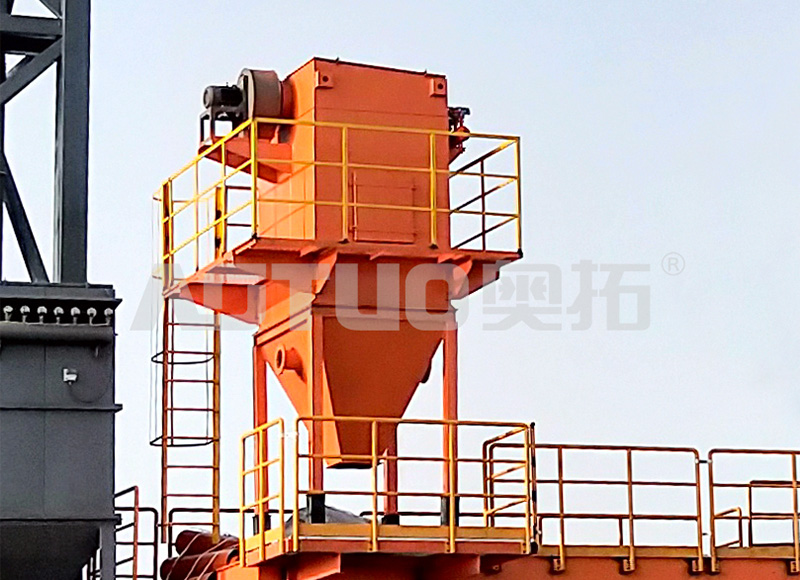
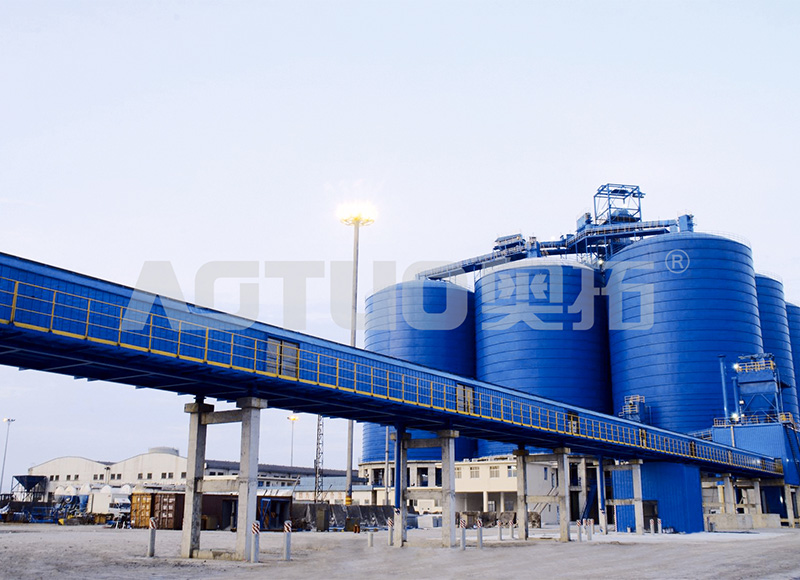

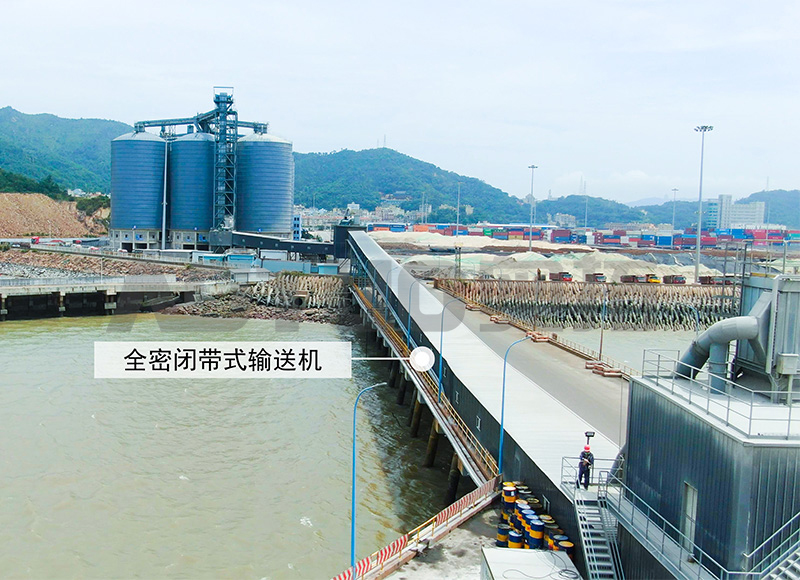
Conveying capacity: 10-3000t/h
Bandwidth: B400~B2200
Applicable materials: Various powders, granules, and small block materials
| Conveying capacity | 10 to 3,000 metric tons per hour |
| Belt width | B400 to B2200 millimeters |
| Applicable materials | Various powders, granules, and small block materials |
| Belt speed range | 0.8 to 4.0 meters per second |
| Drive configuration | Motor with gearbox or direct drive |
| Troughing idler angle | 30°, 35°, or 45° |
| Belt material options | Rubber, heat-resistant, oil-resistant, chevron pattern |
| Frame material | Carbon steel standard; stainless steel available |
| Incline capability | Up to 18° (standard), up to 30° with chevron belt |
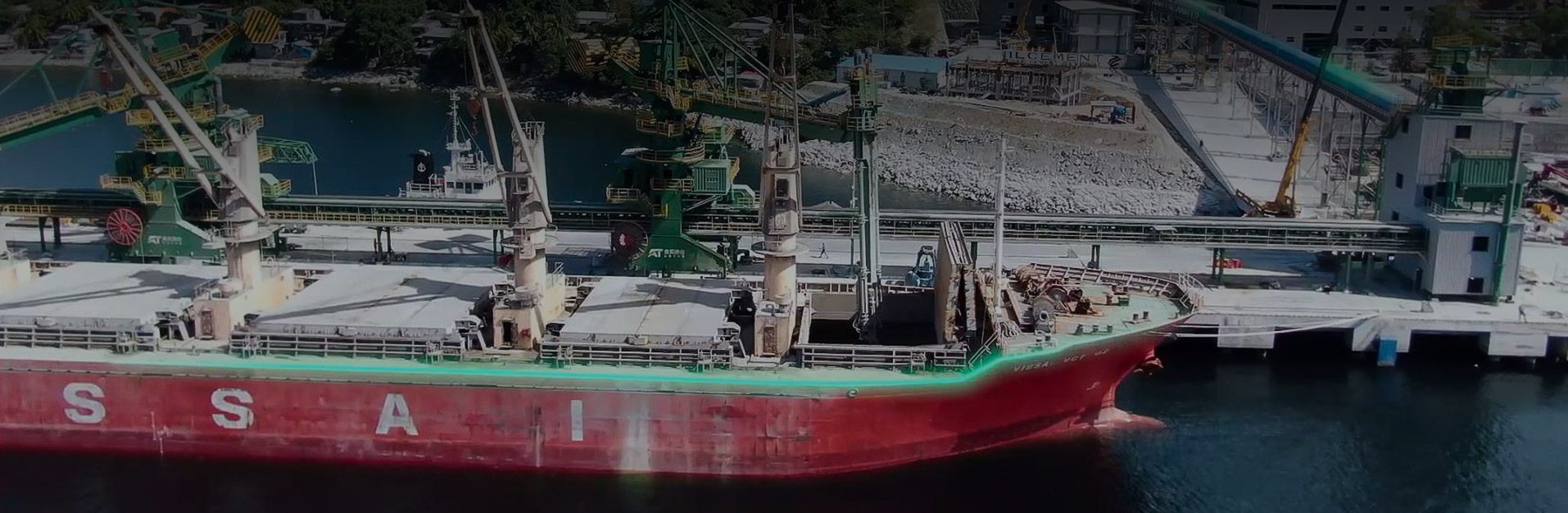
It is focused on the overall solution of dry bulk material port transfer system,
research and development, manufacturing, and service

Professionalism

Quality

One stop solution


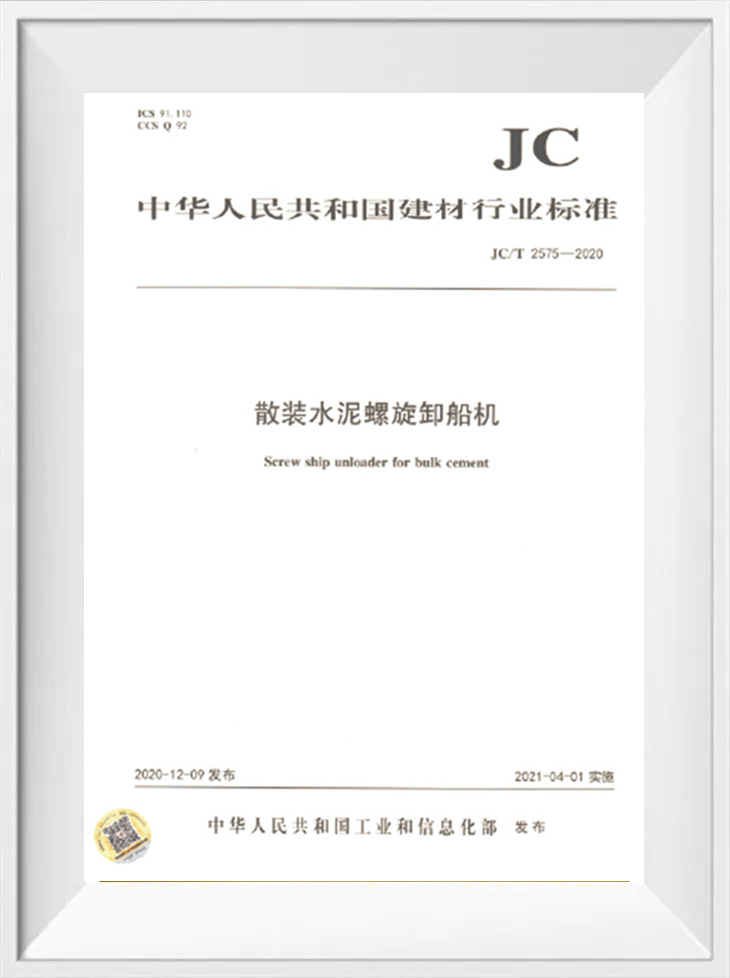
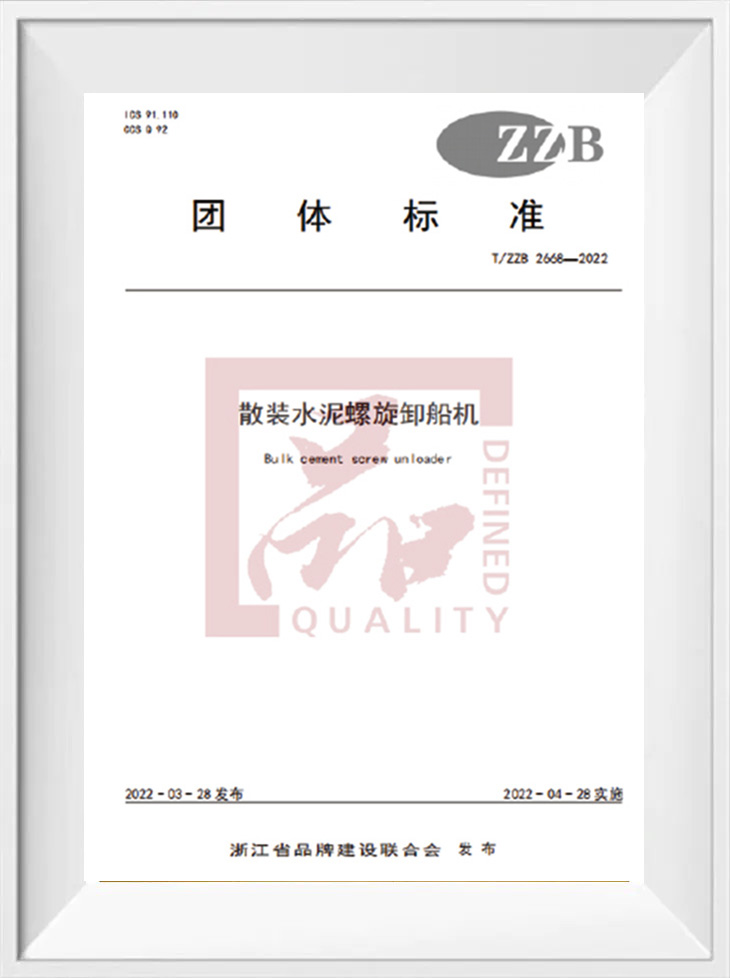
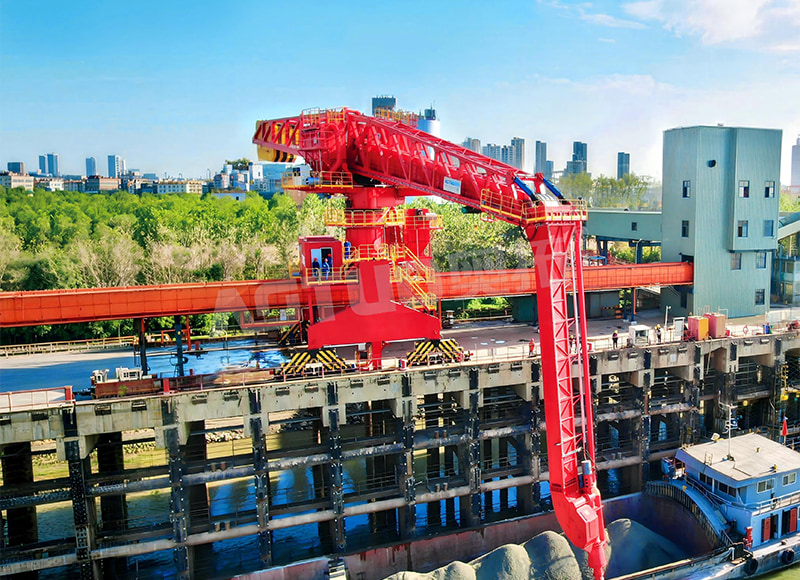
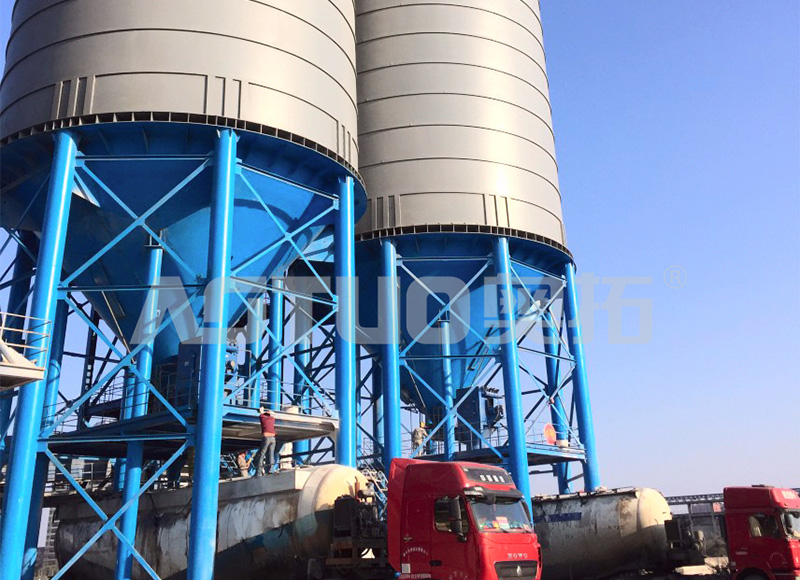
Hangzhou Aotuo Mechanical and Electrical Co., Ltd. (AOTUO) builds the Belt Conveyor For Conveying Loose Materials/Finished Materials as part of our dry bulk material port transfer equipment range. The conveyor links ship unloaders, loaders, hoppers and storage silos into one continuous flow, carrying cement, clinker, grain, fertilizer, coal, aggregates and chemical products at rates from 10 to 3,000 t/h.
We manufacture the conveyor as a modular system: belt width B400 to B2200 mm, belt speed 0.8–4.0 m/s, troughing angles of 30°, 35° or 45°, and a choice of rubber, heat-resistant, oil-resistant or chevron belting. The frame is carbon steel as standard, with stainless steel available for corrosive duty.
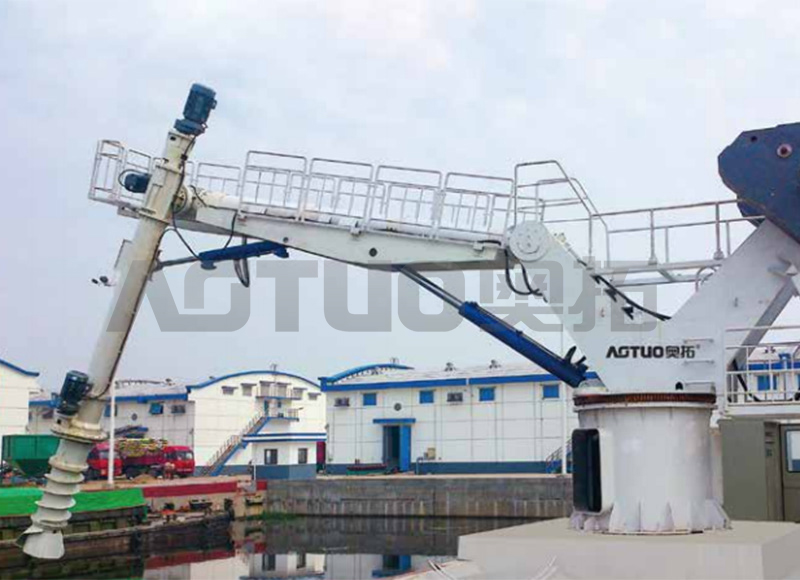
The conveyor is the horizontal and inclined link between unloading, storage and loading points. It receives material from a screw ship unloader, dust suppression hopper or silo outlet and discharges to a ship loader, truck loader, stockpile or the next conveyor in the line.
| Parameter | Range / Option |
|---|---|
| Conveying capacity | 10 – 3,000 t/h |
| Belt width | B400 – B2200 mm |
| Belt speed | 0.8 – 4.0 m/s |
| Troughing idler angle | 30° / 35° / 45° |
| Belt material | Rubber, heat-resistant, oil-resistant, chevron |
| Frame material | Carbon steel standard; stainless steel available |
| Incline capability | Up to 18° standard; up to 30° with chevron belt |
| Drive configuration | Motor + gearbox or direct drive; head, tail or central drive |
| Power supply | 380–690 V, 50/60 Hz, three-phase; motor 5–500 kW |
| Max lump size | ≤150 mm at B400; ≤300 mm at B1200; ≤500 mm at B2200 |
| Temperature limit | ≤120 °C standard; heat-resistant belt to 180 °C |
We configure each conveyor around the working point rather than a fixed catalogue size. The main choices are belt width and speed, troughing angle, drive arrangement and belt compound. For inclined runs above 18°, a chevron belt with cleats holds the material on the incline; for abrasive clinker or ore, cover thickness and compound are selected for wear life.
The conveyor integrates with the wider transfer system through the plant control network. We supply emergency pull-cord switches, zero-speed monitoring and belt misalignment switches as standard safety devices, with guardrails at transfer points. Variable frequency drives allow the conveyor speed to be matched to the upstream unloader or downstream loader, which is useful when the line runs at different rates.
For projects that include a Rail mobile Screw Ship Unloader or a Rail Mobile Ship Loader, the conveyor control is coordinated with the unloader or loader sequence so that start-up, stop and fault signals are handled as one line.
Conveyor sections are factory pre-assembled where transport allows. On site, installation covers frame assembly, belt splicing, alignment and electrical connection. Commissioning includes belt tracking, tension setting and a no-load run before material is introduced.
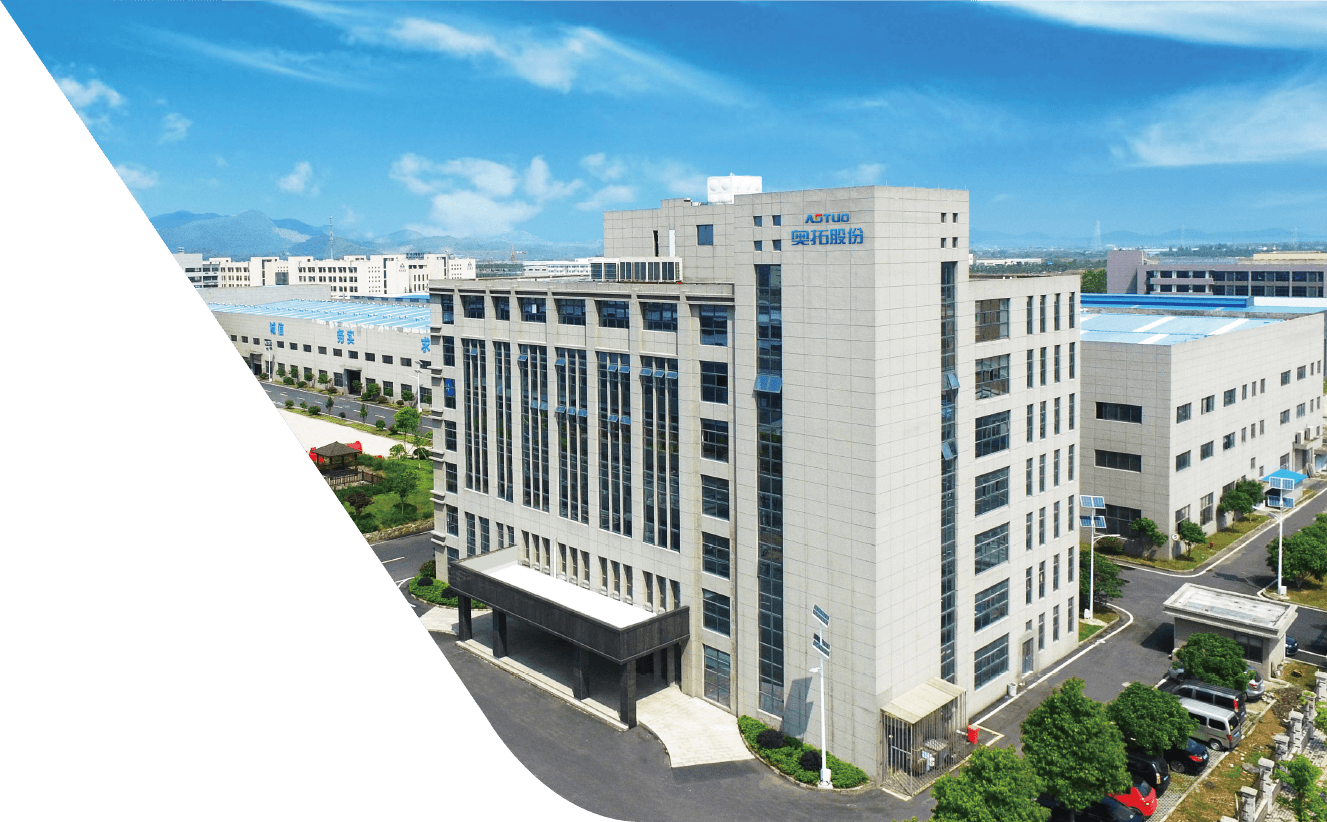
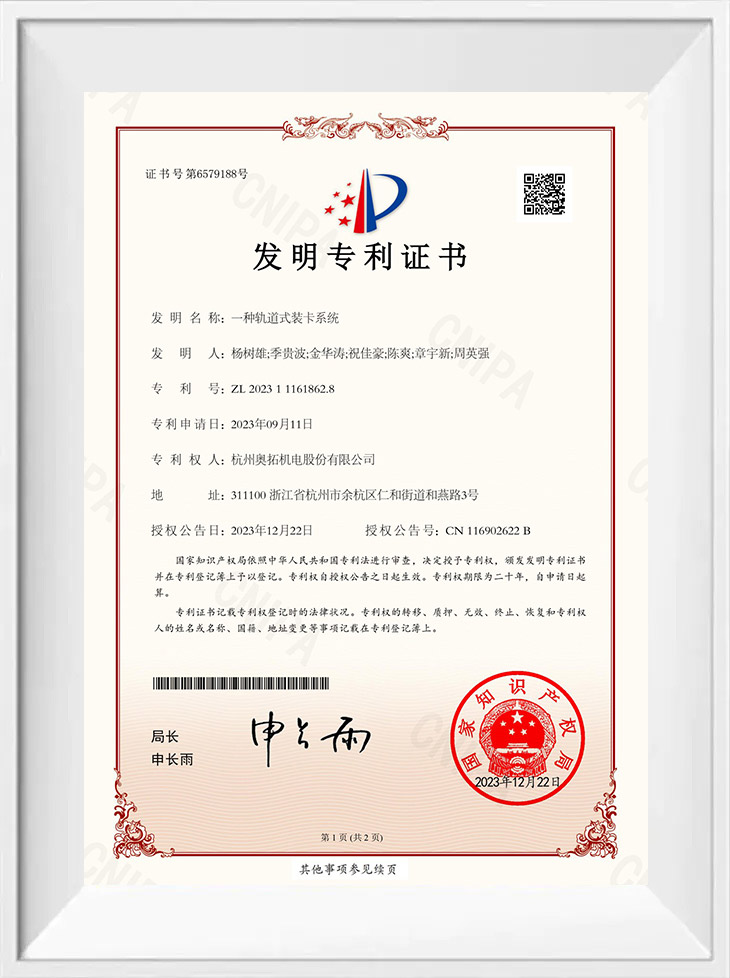
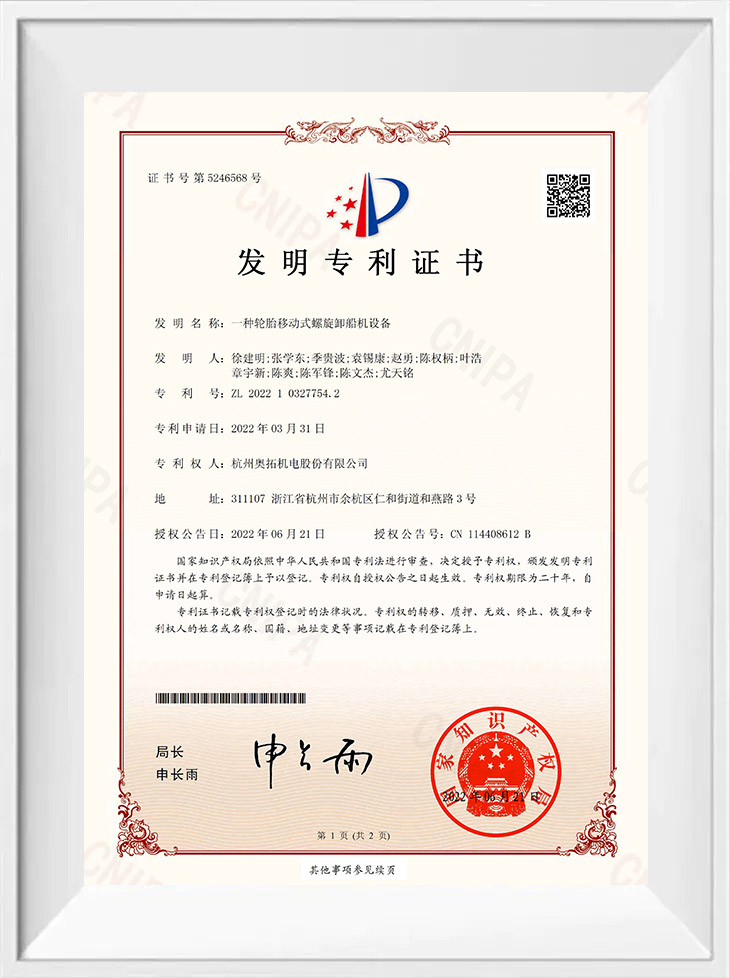
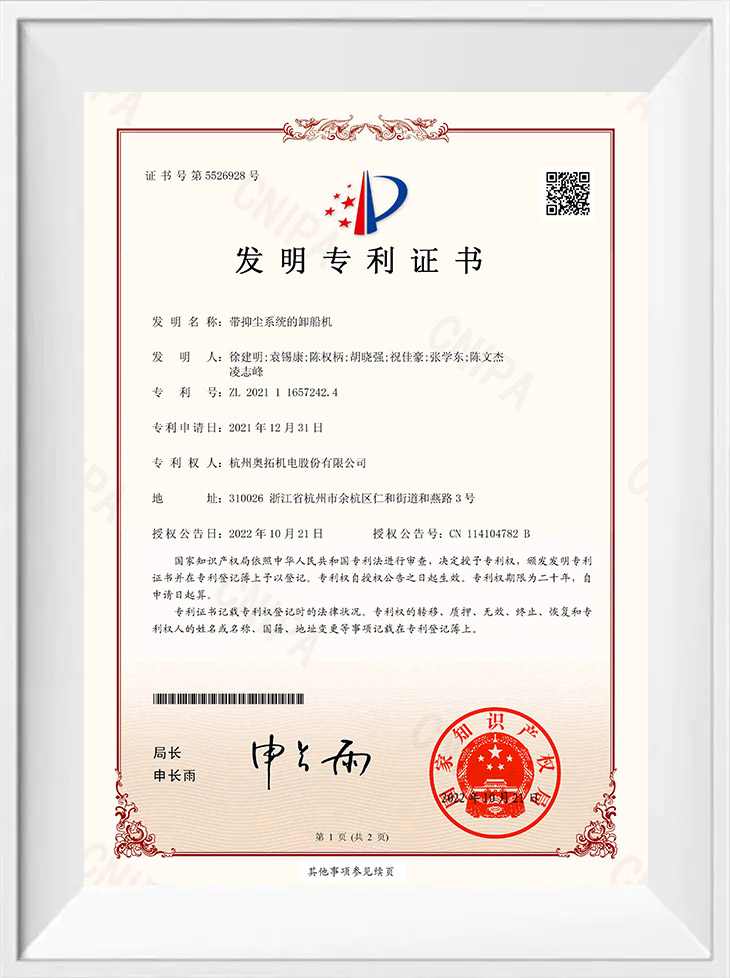
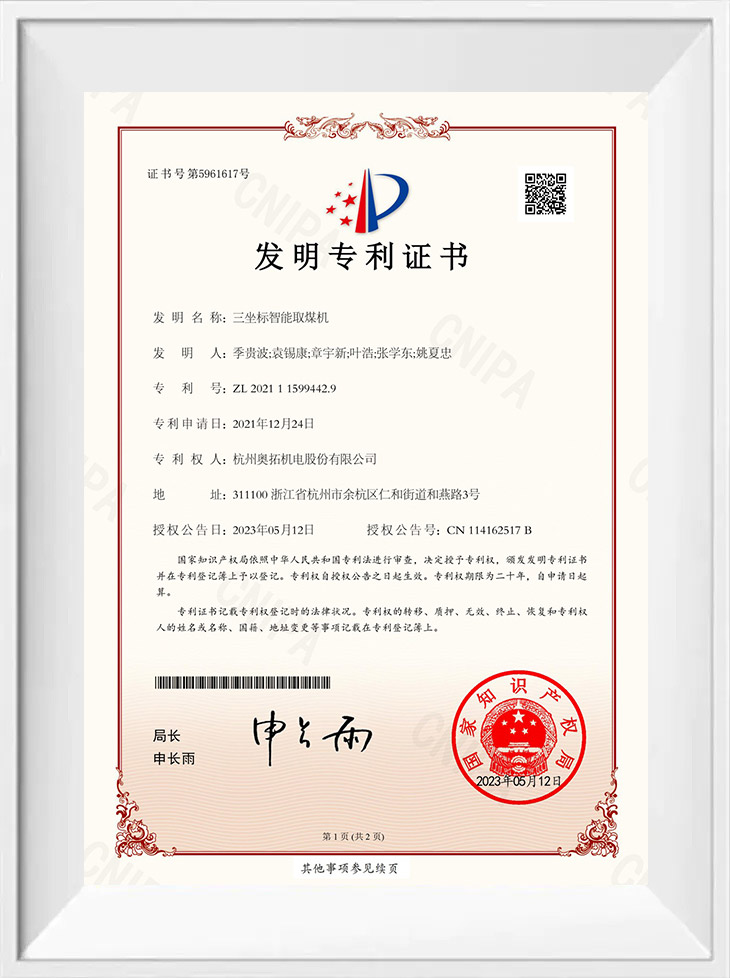
AOTUO has manufactured dry bulk material handling equipment since 2003 and holds more than 100 patents and software copyrights. Our production workshop is equipped with testing equipment, and our management systems cover quality, environment and occupational health and safety. We are the responsible drafting unit for the industry standard JC/T 2575 for bulk cement screw unloaders.
For belt conveyor projects we provide one-stop support from scheme consultation and design through manufacture, installation guidance and after-sales service. Our service team responds to technical requests within 8 hours and can attend site when required.
To prepare a conveyor configuration and quotation, we need the working point and site conditions. The list below is the information that most affects belt width, drive power and price.
| Input | Why It Matters |
|---|---|
| Material and bulk density | Sets cross-section, belt width and capacity calculation |
| Required capacity (t/h) | Determines belt width, speed and drive power |
| Lump size and temperature | Belt width limit and belt compound selection |
| Conveyor length and incline | Drive arrangement, tensioning and chevron belt need |
| Feed and discharge points | Chute design, transfer height and interface with other equipment |
| Power supply and control interface | Motor, VFD and automation integration |
| Site environment | Covers, stainless steel and dust control options |
The belt conveyor works alongside our other auxiliary and transfer equipment. Depending on the process, a project may combine the conveyor with a Bulk Truck Loader for dispatch, or with a dust collector where fine powders are handled.
Belt width follows material lump size, required capacity and belt speed. For capacities up to 3,000 t/h we offer widths from B400 to B2200 mm. Larger lumps need a wider belt, so we calculate the cross-section from material density and the target tonnage before confirming the size.
Belt speed normally runs between 0.8 and 4.0 m/s. Abrasive or fragile materials are handled at 0.8–1.5 m/s, while free-flowing materials at high capacity use 2.0–4.0 m/s. We match speed to the material and the upstream equipment rate.
Standard belts handle inclines up to 18° for most materials. For steeper angles up to 30°, we supply chevron (cleated) belts. The maximum angle depends on material flowability, moisture content and lump size.
Routine maintenance covers belt tracking inspection, idler lubrication every 6–12 months, belt tension adjustment and monthly splice inspection. Belt replacement typically falls in the 3–5 year range depending on duty. We support long-term spare parts supply.
Yes. We provide motor and VFD options and integrate safety devices such as pull-cord switches, zero-speed monitoring and misalignment switches. The conveyor control can be coordinated with ship unloaders, loaders and plant automation through the project interface.
We need the material type and bulk density, required capacity, lump size and temperature, conveyor length and incline, feed and discharge points, power supply and control interface, and site environment. With these inputs we prepare the belt width, drive power and configuration for your project.
Copyright © Hangzhou Aotuo Mechanical and Electrical Co., Ltd. All Rights Reserved.
Custom Versatile Alone/Multiple Units Belt Conveyor Manufacturers