
 EN
 English
 中文简体
 Français

Product Category
Related Products
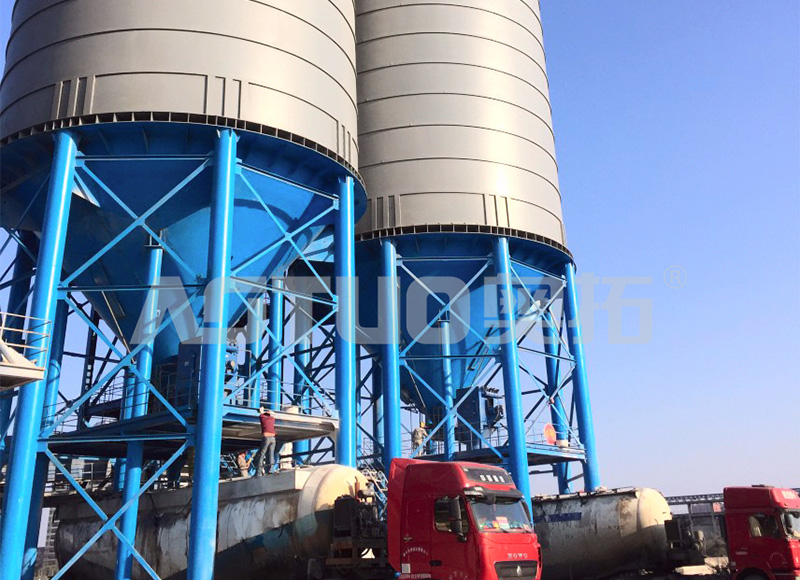
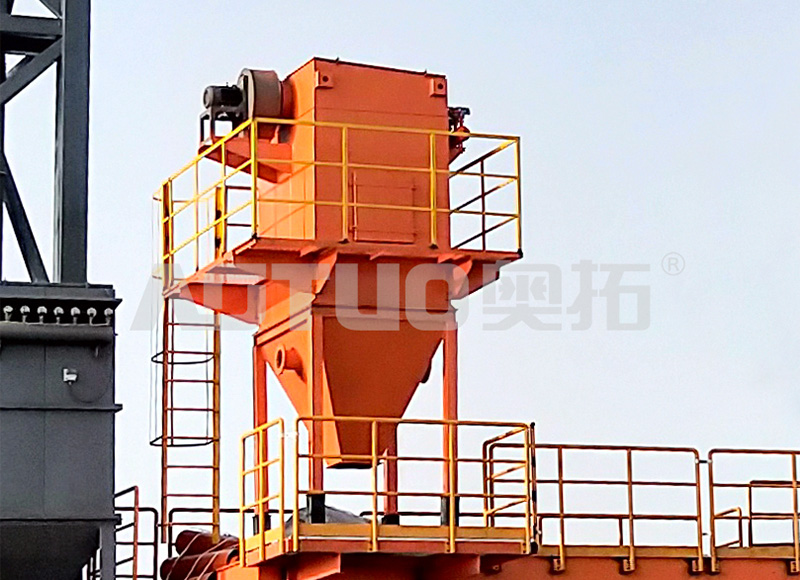
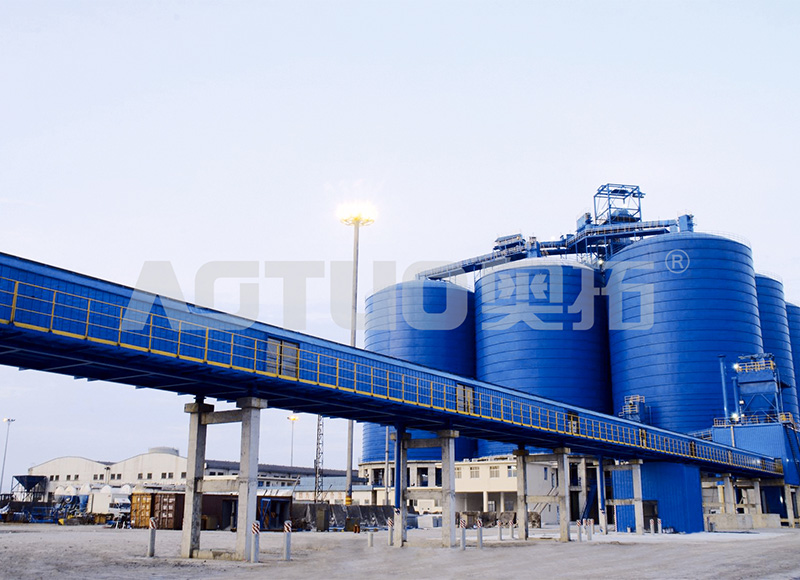
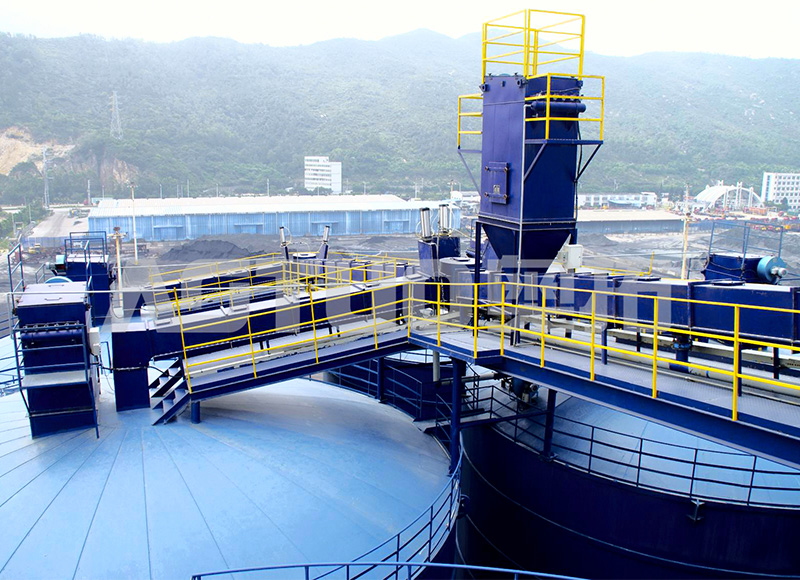

Air Slide Conveyor For Conveying Powdered Materials
Conveying capacity: 7-1200t/h (calculated by cement)
Slotting width: 120 mm~1000 mm (There are 12 specifications of groove body width for this series, including 120, 160, 200, 250, 300, 315, 350, 400, 500, 630, 800, and 1000. If it exceeds this series, it should be specified when placing an order.)
Applicable materials: Powdered materials such as cement, mineral powder, and fly ash, The breathable layer adopts a synthetic fiber breathable belt with a thickness of 6mm and is woven as a whole.
Slotting angle: 4 º to 12 º
PREV:Industrial Construction Logistics Elevator For Vertical Conveying Materials
NEXT:Belt Conveyor For Conveying Loose Materials/Finished Materials
NEXT:Belt Conveyor For Conveying Loose Materials/Finished Materials
Leave a message
“If you have any comments or inquiries,please feel free to contact us”
Recommended Products
It is focused on the overall solution of dry bulk material port transfer system,
research and development, manufacturing, and service
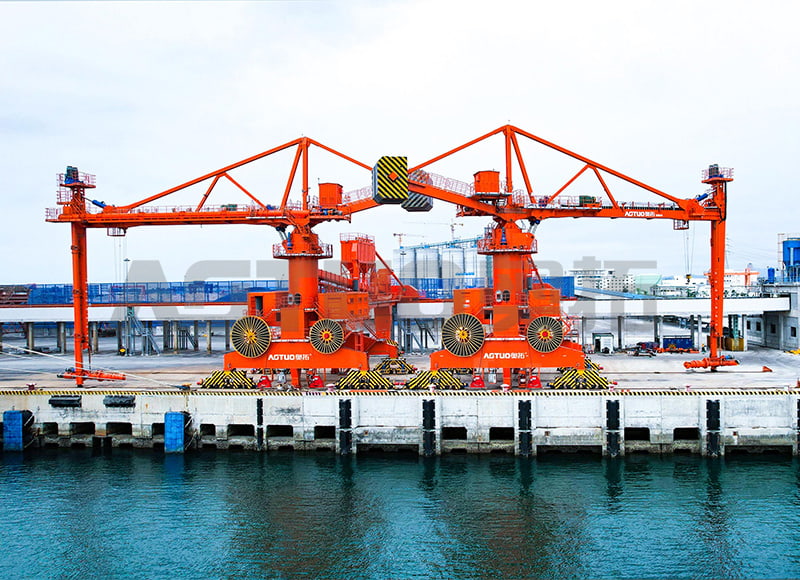
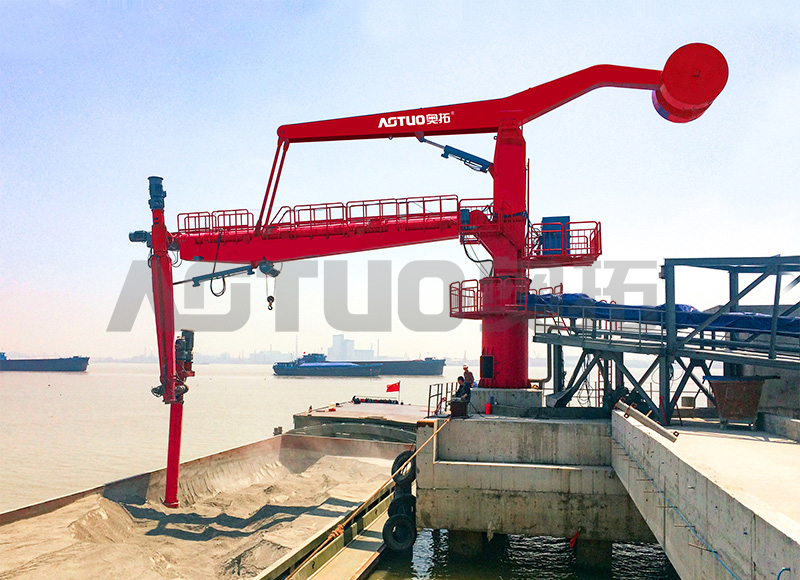
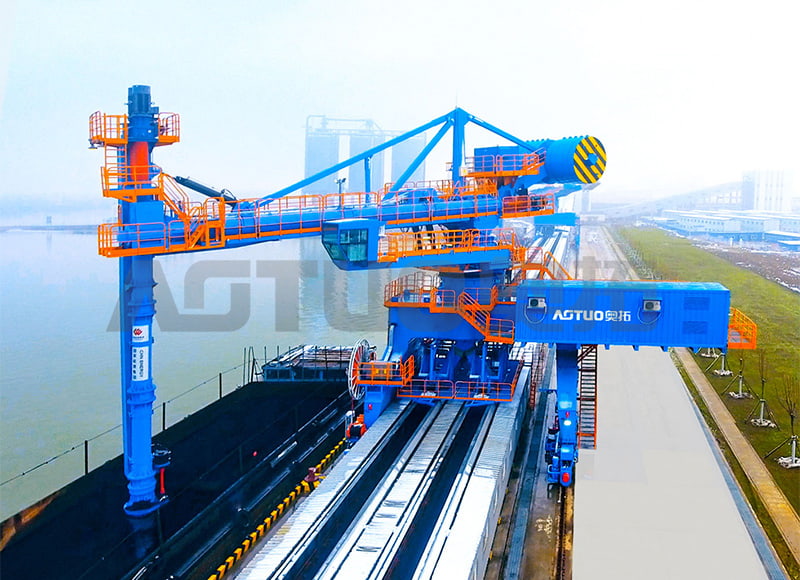
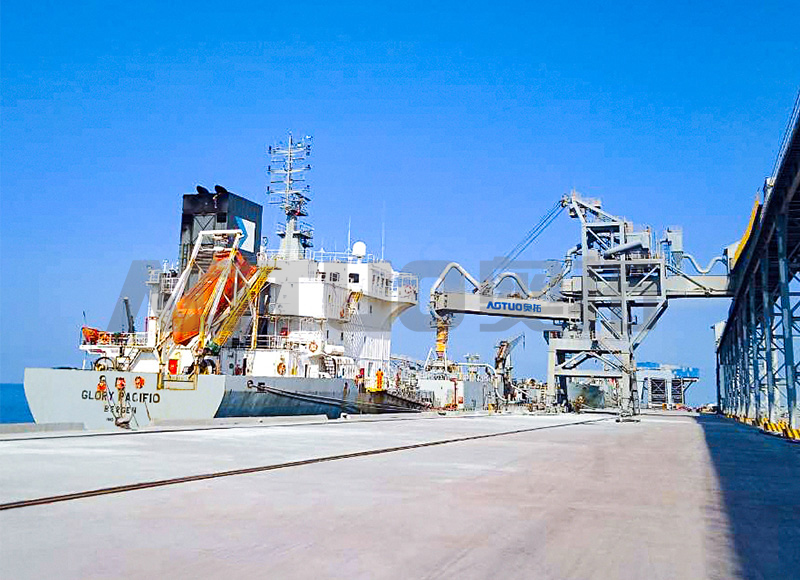
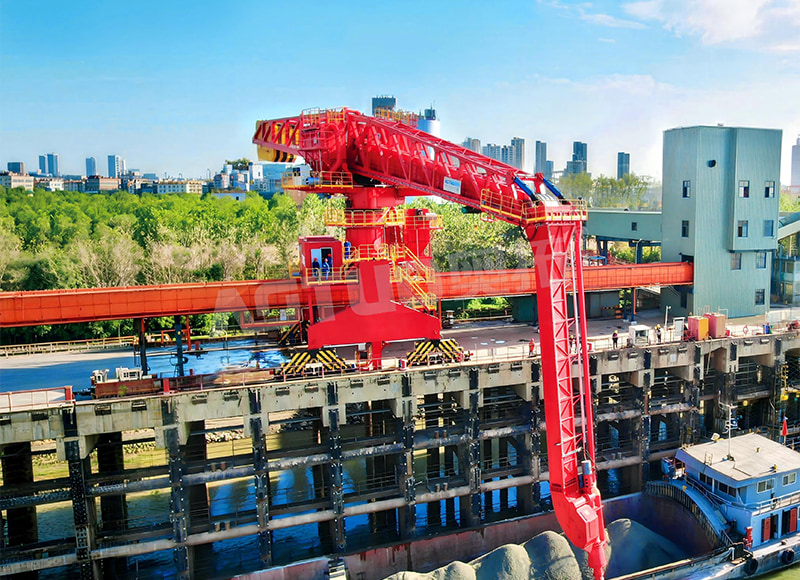
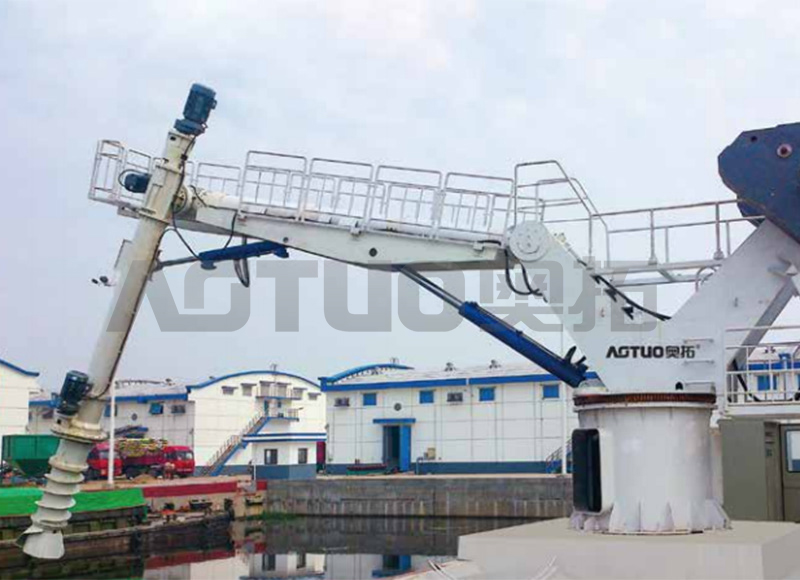
Hangzhou Aotuo Mechanical and Electrical Co., Ltd.
Hangzhou Aotuo Mechanical and Electrical Co., Ltd.(Abbreviated as AOTUO) was established in 2003 and is China Custom Air Conveying Chute Slide Manufacturers and Custom Air Conveying Chute Slide Suppliers and AOTUO is a nationalhigh+tech enterprise that focuses on the integrated solutions of the harbor dry bulk material transfer system, as well as the research and development, manufacturing, and service of high-end equipment for dry bulk material port loading and unloading...
-

Professionalism
-

Quality
-

One stop solution



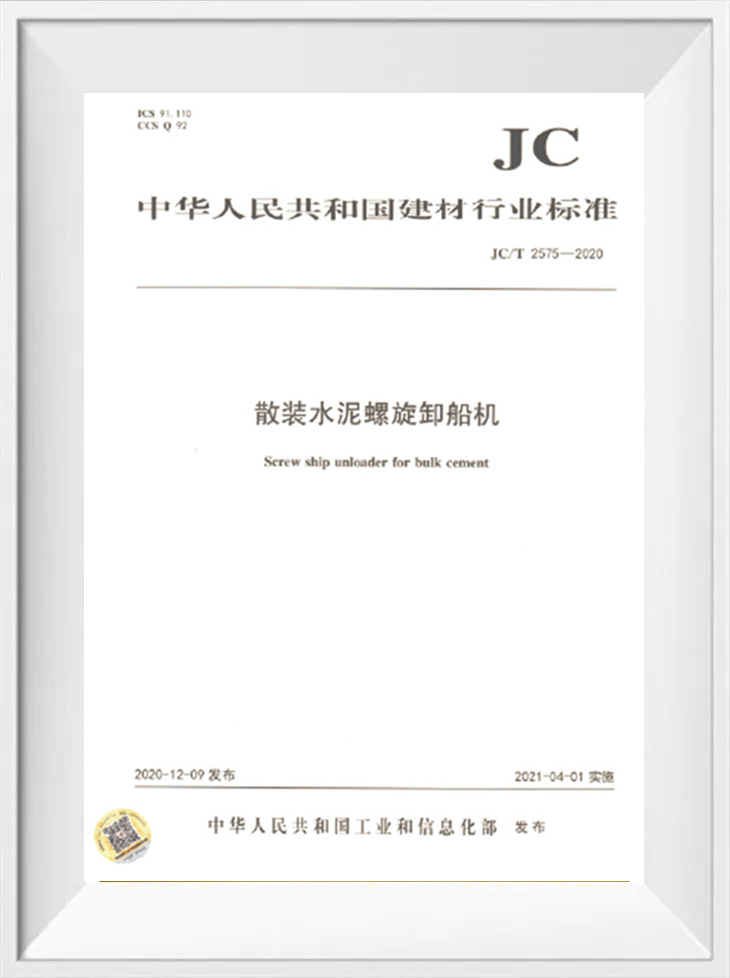
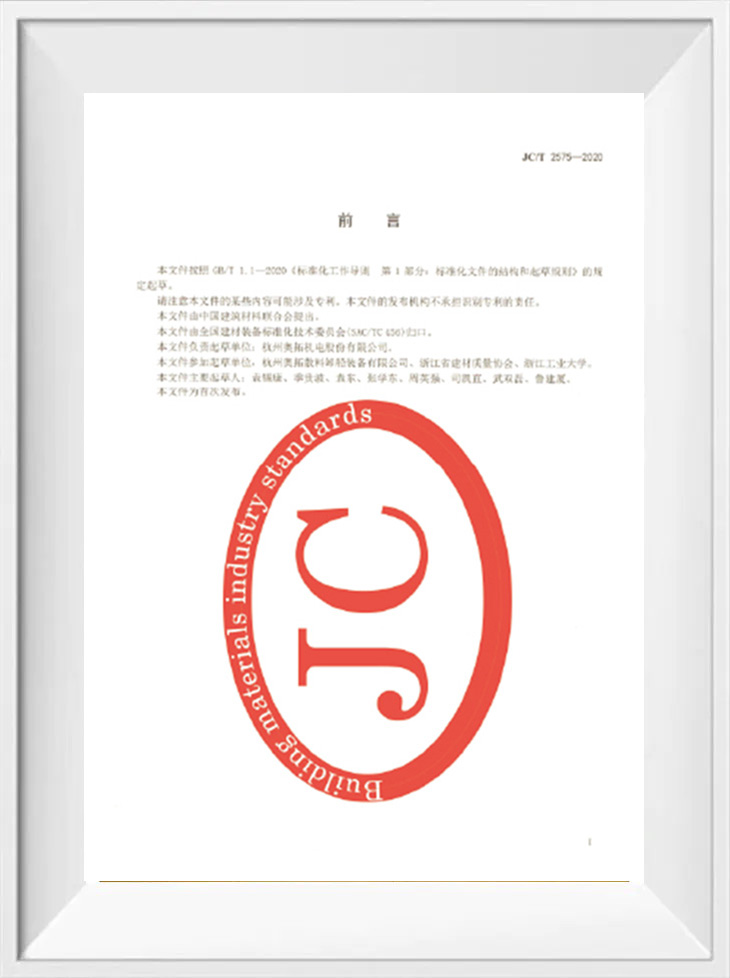
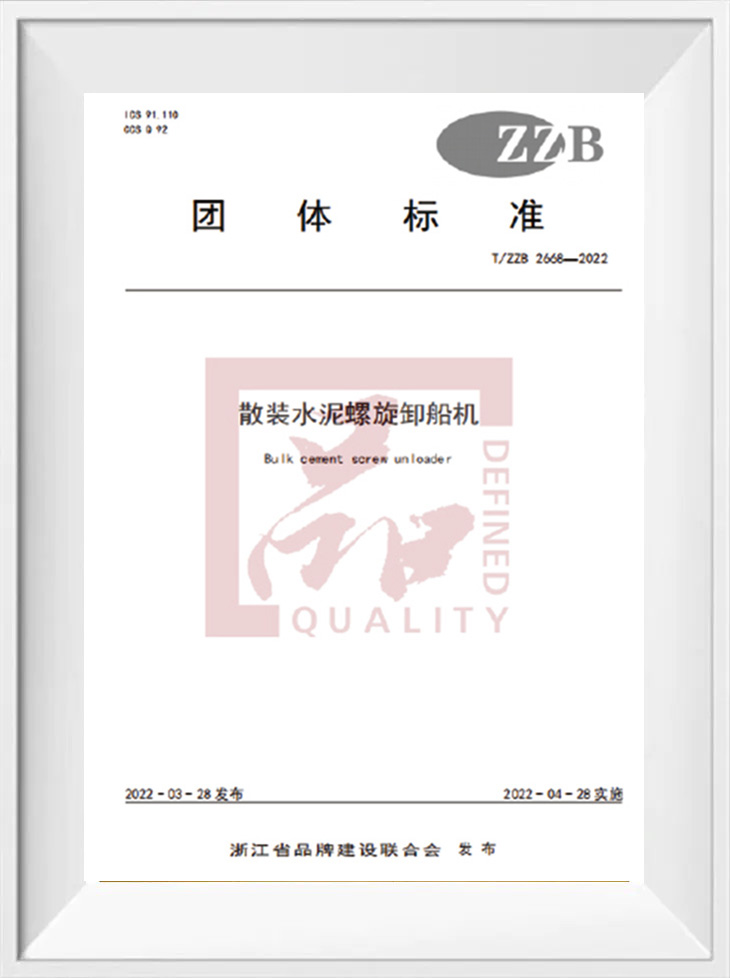
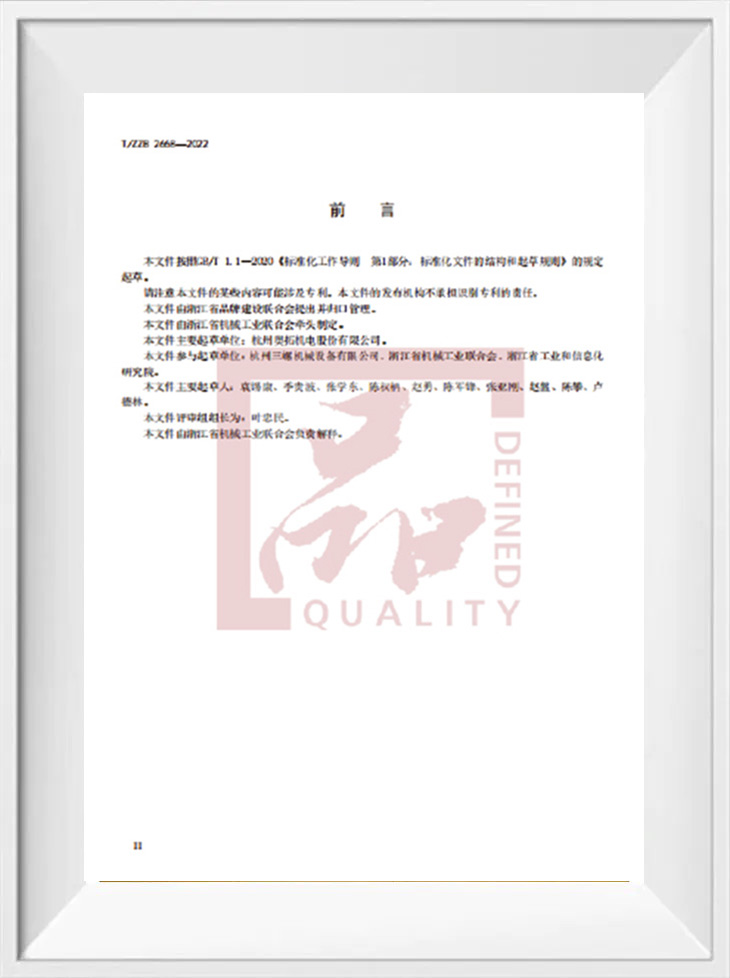
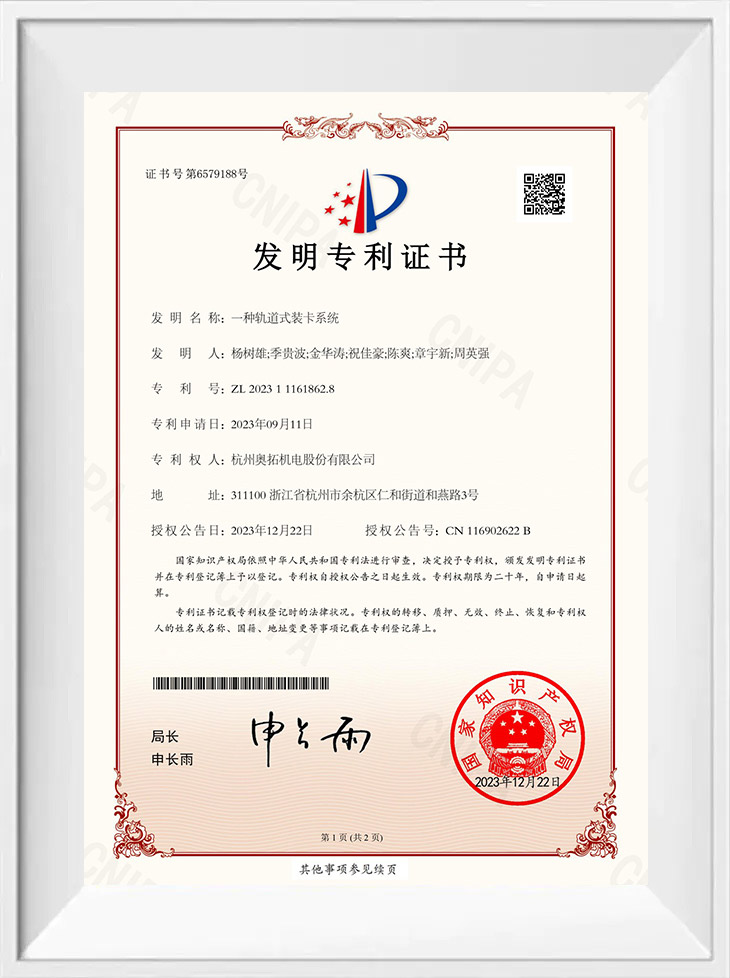
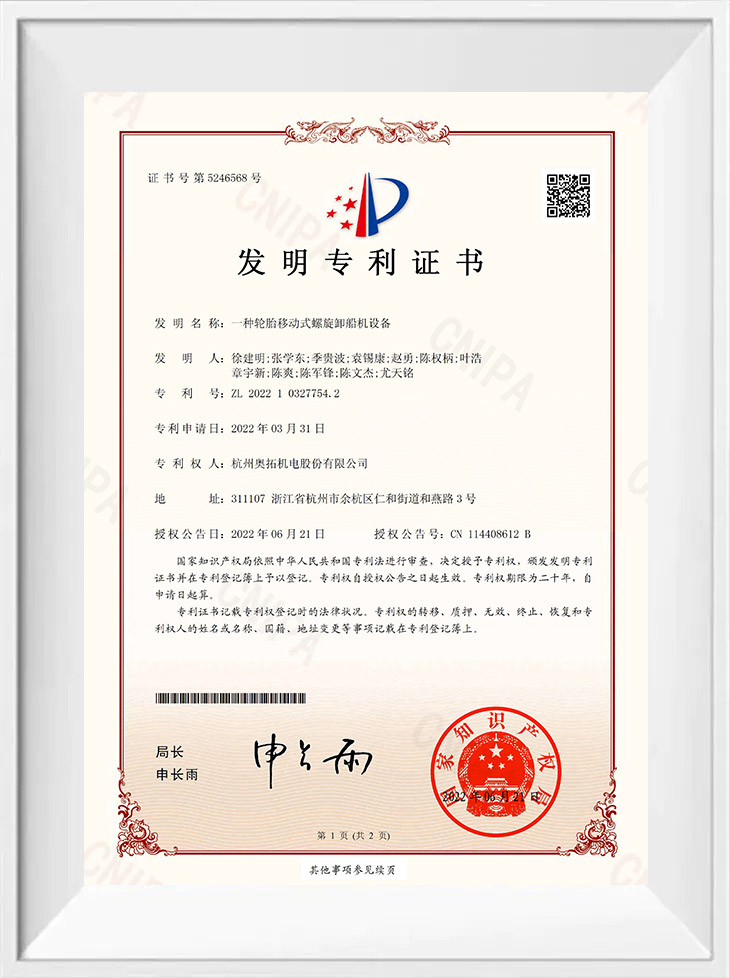
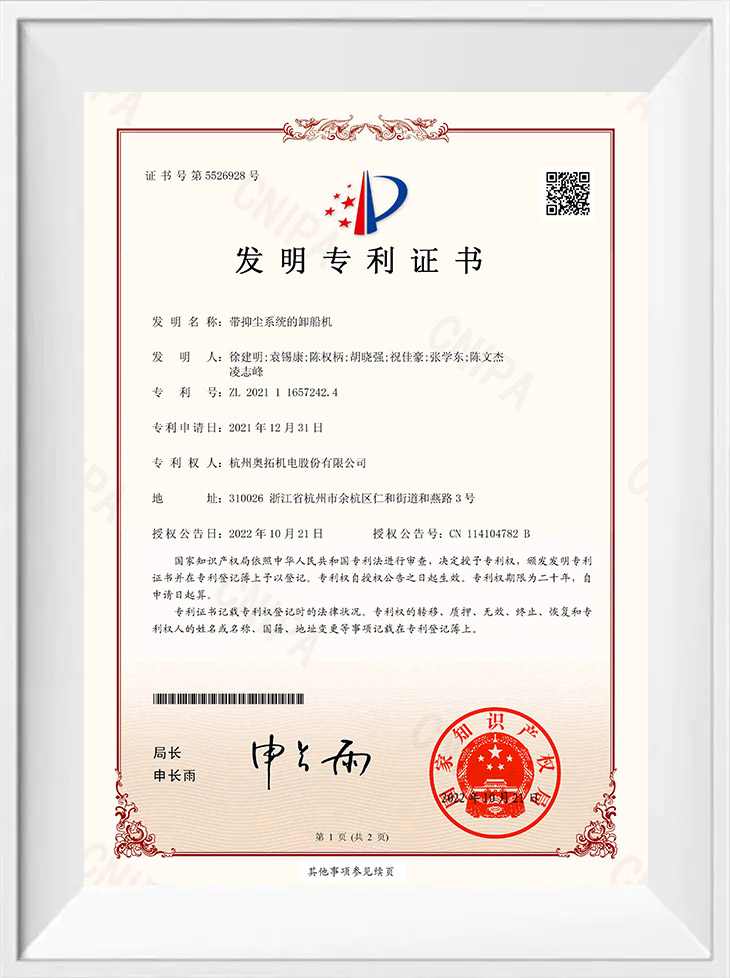
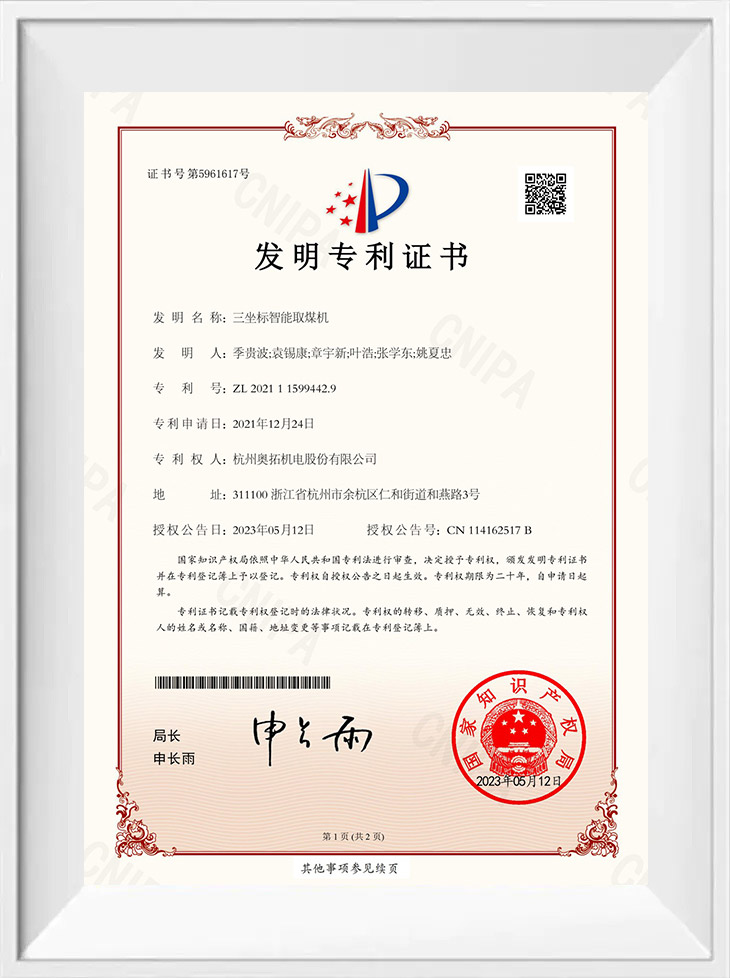
Certificate
Environmental Certification
News Center
News Updates
-
Admin 2026-10-28
Ship Loader Conveyor Capacity: Key Specs & Ratings for Bulk Material Handling
Ship loader conveyor capacity determines how quickly a bulk carrier can be turned around at the be...Read More -
Admin 2026-10-23
Travelling Ship Loader Rail System: Key Structural and Alignment Factors
A 50,000 DWT bulk carrier sits alongside the berth with hatches spread over nearly 190 metres of q...Read More -
Admin 2026-10-21
Ship Loader RFQ: Key Parameters to Include in Your Procurement Document
When a bulk terminal in Southeast Asia prepares to issue an RFQ for a rail mobile ship loader, the...Read More -
Admin 2026-10-16
The Coal Ship Loader Boom: Key Structural Requirements for Vessel Loading
The boom of a coal ship loader determines whether a 100,000 DWT vessel loads in 36 hours or burns ...Read More -
Admin 2026-10-14
Ship Loader Chute Design: Key Factors for Controlled Material Discharge
A ship loader chute that misses its target trajectory can spill up to 2 percent of a cargo onto th...Read More -
Admin 2026-10-09
Grain Ship Loader Boom Design: Key Structural Requirements & Standards
At a grain terminal in Mariveles, Philippines, an 800 t/h rail mobile ship loader feeds soybeans i...Read More
Air Slide Conveyor For Conveying Powdered Materials Industry knowledge
Hangzhou Aotuo Mechanical and Electrical Co., Ltd. (AOTUO) builds the Air Slide Conveyor For Conveying Powdered Materials manufacturer line as part of our dry bulk material port transfer programme. The air slide is the fluidized-flow link between silos, screw unloaders, ship loaders and packing or truck loading stations.
We manufacture the trough, the fluidizing membrane, the air distribution chamber and the air control set as one coordinated unit, sized from 7 t/h to 1,200 t/h on cement and from 120 mm to 1,000 mm slot width. Twelve standard groove sizes let us match an air slide to an existing silo outlet, a new unloading line or a retrofit inside a confined gallery.
What the Air Slide Conveyor Does
Low-pressure air passes through a porous membrane and fluidizes the powder layer above it. The material then behaves like a liquid and flows down a shallow incline under gravity, with no screws, belts or rotating parts in the conveying path. The trough stays fully enclosed, so dust does not escape at transfer points and material loss is limited to normal cleanout.
Because there is no mechanical pushing, particle shape is preserved and power demand stays low compared with drag or screw conveyors of the same capacity. The trade-off is direction: air slides convey downward only, so layout and slope are fixed at the design stage.
Technical Specification Range
| Parameter | Range / Option | Notes |
|---|---|---|
| Conveying capacity | 7 – 1,200 t/h | Calculated on cement at 1.2 t/m³ |
| Slot width | 120 – 1,000 mm | 12 standard groove sizes |
| Groove sizes | 120, 160, 200, 250, 300, 315, 350, 400, 500, 630, 800, 1000 | Non-standard widths specified at order |
| Operating air pressure | 3 – 7 kPa | Oil-free, dry air |
| Air consumption | 1.5 – 2.5 m³/min per m² | Per square metre of membrane area |
| Slope angle | 4° – 12° | 6° – 12° typical for cement |
| Membrane | 6 mm synthetic fibre breathable belt, woven as one piece | Polyester woven fabric or porous plate |
| Housing material | Carbon steel standard; stainless steel optional | Abrasion options for cement and clinker dust |
Material Fit and Operating Boundaries
Air slides suit dry, free-flowing powders with particle size below roughly 3 mm and moisture below about 1%. Cement, raw meal, fly ash, lime, mineral powder, talc, pigment powder, flour, starch and sugar all fluidize well in our troughs. Sticky, fibrous or damp material will not fluidize evenly and is not a good match.
- Moisture: above 1% the pressure drop rises and flow becomes uneven; drying or a different conveyor type is needed.
- Temperature: standard polyester membrane handles up to 120 °C; higher-temperature options are available for hot material.
- Abrasion: cement and clinker dust wear the membrane, so hardened or ceramic-coated variants are used on high-wear runs.
- Direction: gravity-assisted downward flow only; horizontal or upward runs are outside the working envelope.
Configuration Options We Build
Closed Conveying Chute
Sealed trough for cement, raw meal and other fine powders where dust control at the silo outlet is the priority.
Open Inflatable Chute
Flexible installation and lower operating cost for specific working conditions where an open trough is acceptable.
Modular Trough Sections
Flanged sections assembled to the required run length, with inspection ports and adjustable air flow control valves.
Air supply is handled by a filter-regulator set feeding the distribution chamber, with an emergency air shut-off valve recommended at the inlet. Static grounding is part of the installation scope because fluidized powder generates charge along the membrane.
Where the Air Slide Sits in a Port Transfer Line
In a cement or clinker terminal the air slide normally receives material from a Cement Screw Ship Unloader discharge hopper or a silo outlet and delivers it to a bulk truck loader, a packing line or a ship loader feed point. It also works as a silo-to-silo transfer inside the storage area.
Because the trough is low-profile, it fits under existing silos and inside galleries where a belt or screw conveyor would not clear. For lines that also handle coal, grain or clinker, we coordinate the air slide with the Auxiliary Equipment set so that transfer points, dust collection and controls share one interface.
Installation, Commissioning and Acceptance
- Trough sections arrive pre-assembled; on site the run is aligned to the design slope and bolted through the flanged joints.
- The membrane is seated at the bottom of the trough, air chamber closed and the filter-regulator connected to the plant air header.
- Dust sealing is completed at both ends and at every inspection port before air is admitted.
- Commissioning checks air pressure at 3–7 kPa, confirms even fluidization along the run and verifies capacity against the design working point.
- Acceptance covers slope tolerance, leak-tightness, air consumption per square metre and stable discharge at the receiving end.
Maintenance and Serviceability
With no moving parts, routine work is limited to membrane inspection, air filter cleaning and pressure monitoring. The porous membrane typically lasts three to five years depending on material abrasiveness, and annual inspection is the practical baseline. Membranes are replaceable in place, and inspection ports give access without dismantling the full run.
AOTUO supports the air slide as part of a wider transfer system, with spare-part supply and technical guidance for installation, operation and maintenance personnel. Our engineering team covers process, steel structure, machinery, hydraulic, automation and IT disciplines, which is how a chute, its air set and its control interface are delivered as one coordinated package.
Information We Use to Configure Your Solution
| Input | Why It Matters |
|---|---|
| Material and bulk density | Capacity is quoted on cement at 1.2 t/m³ and scales with density ratio |
| Required throughput | Sets slot width from the 12 standard groove sizes |
| Run length and available drop | Determines slope between 4° and 12° and section count |
| Moisture and temperature | Confirms fluidization and membrane grade |
| Air supply available | Sizes the filter-regulator and confirms 1.5–2.5 m³/min per m² |
| Upstream and downstream equipment | Matches flange interfaces and control signals |
| Site constraints | Confirms low-profile routing, support points and access for maintenance |
Frequently Asked Questions
Which materials can an AOTUO air slide convey?
Dry, free-flowing powders below about 3 mm particle size and below 1% moisture: cement, raw meal, fly ash, lime, mineral powder, talc, pigment powder, flour, starch and sugar. Damp or sticky material does not fluidize evenly and is outside the working range.
How is capacity selected?
Capacity depends on slot width, slope, air pressure and material density. Our published figures are calculated on cement at 1.2 t/m³, so for other powders the capacity scales with the density ratio. We confirm the working point from your throughput and material data before fixing the groove size.
Can the air slide run horizontally or uphill?
No. Flow is gravity-assisted on a downward slope of 4° to 12°, typically 6° to 12° for cement. The slope is set during layout design and cannot be reversed in operation.
What air supply is required?
Oil-free, dry compressed air at 3–7 kPa, with a filter-regulator on the inlet and an emergency shut-off valve recommended. Air consumption runs 1.5–2.5 m³/min per square metre of membrane area.
How often is the membrane replaced?
The 6 mm woven breathable belt typically lasts three to five years depending on abrasiveness. Annual inspection of the membrane, air filter and pressure readings keeps the run stable, and membranes are replaceable through the inspection ports.
Can the air slide be integrated with our existing control system?
Yes. We configure the air control set and instrumentation around the required line interface, and AOTUO's automation and IT disciplines support metering control and intelligent control integration with the surrounding transfer system.
Related Products and Categories
Our portfolio also includes 1000-70000 DWT 200-1500t/h Rail mobile Screw Ship Unloader for applications with different operating ranges, interfaces or integration requirements.
Leave a message
Contact Us
- WhatsApp: +86-13675892653
- Tel: +86-18958022558(Timmy You)
- +86-13675892653(IVY Zhou)
- E-mail: [email protected]
- Add: No. 3 Heyan Road, Renhe Base, Qianjiang Economic Development Zone, Yuhang District, Hangzhou City
Copyright © Hangzhou Aotuo Mechanical and Electrical Co., Ltd. All Rights Reserved.
Custom Air Conveying Chute Slide Manufacturers
