EN
 English
 中文简体
 Français

Custom Industrial Bag Dust Collector Manufacturers
Home / Equipment / Auxiliary Equipment / Pulse Single Machine/Air Box Bag-Type Dust Collector Dust Removal Equipment
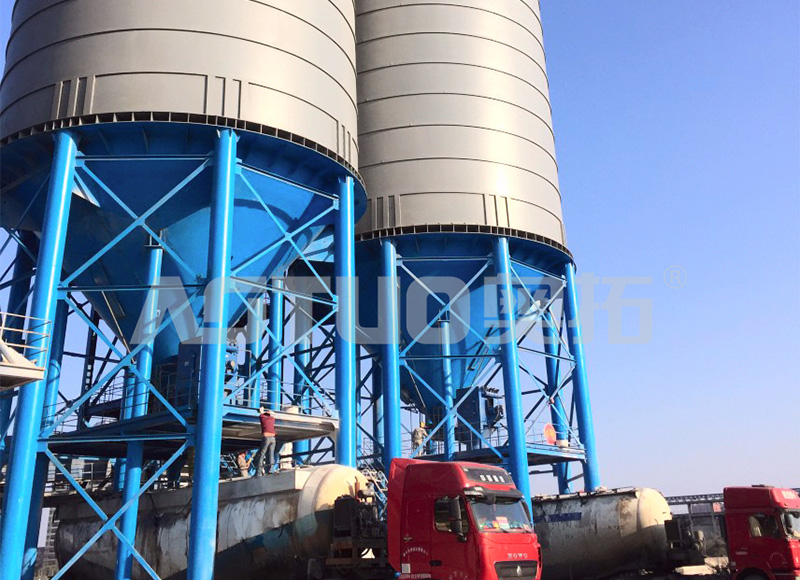
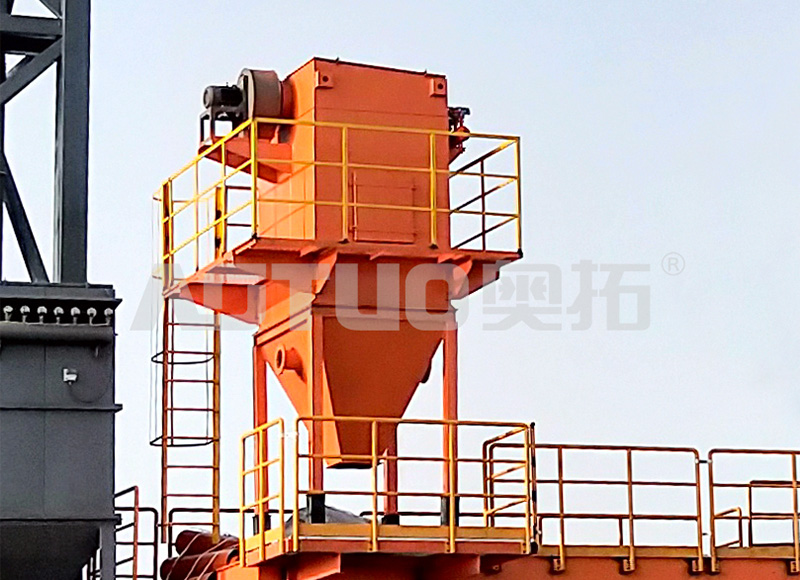
Processing air volume: 700-314000m3/h
Filter area: 9.8-1868m2
Inlet concentration: ≤ 200g/m3
Export concentration: ≤ 10mg/Nm3
| Processing air volume | 700 to 314,000 cubic meters per hour |
| Filter area | 9.8 to 1,868 square meters |
| Inlet dust concentration | ≤200 grams per cubic meter |
| Outlet emission concentration | ≤10 milligrams per normal cubic meter |
| Cleaning system | Pulse-jet or air box pulse with diaphragm valves |
| Filter bag material | Polyester (standard), PPS, PTFE, aramid (high-temp) |
| Operating temperature | ≤120°C standard; ≤200°C with high-temp bags |
| Design pressure drop | ≤1,500 pascals |
| Compressed air requirement | 0.5-0.7 MPa, oil and moisture free |
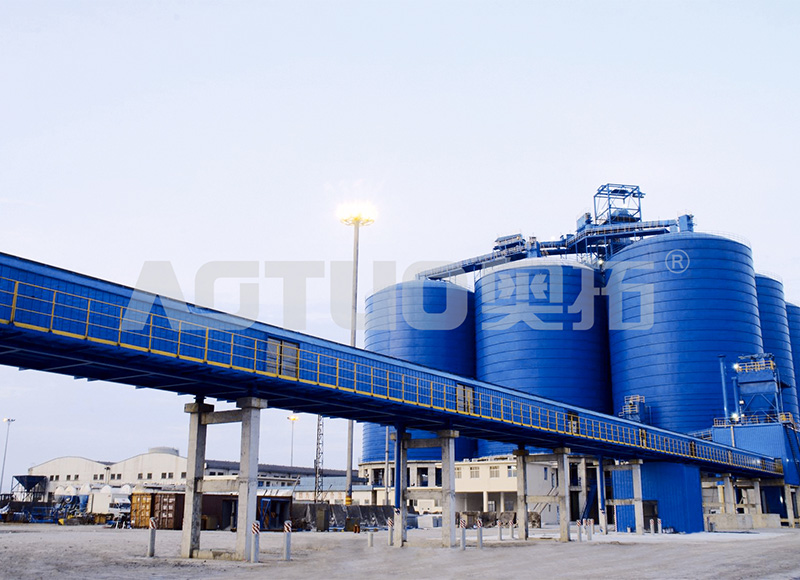
It is focused on the overall solution of dry bulk material port transfer system,
research and development, manufacturing, and service

Professionalism

Quality

One stop solution



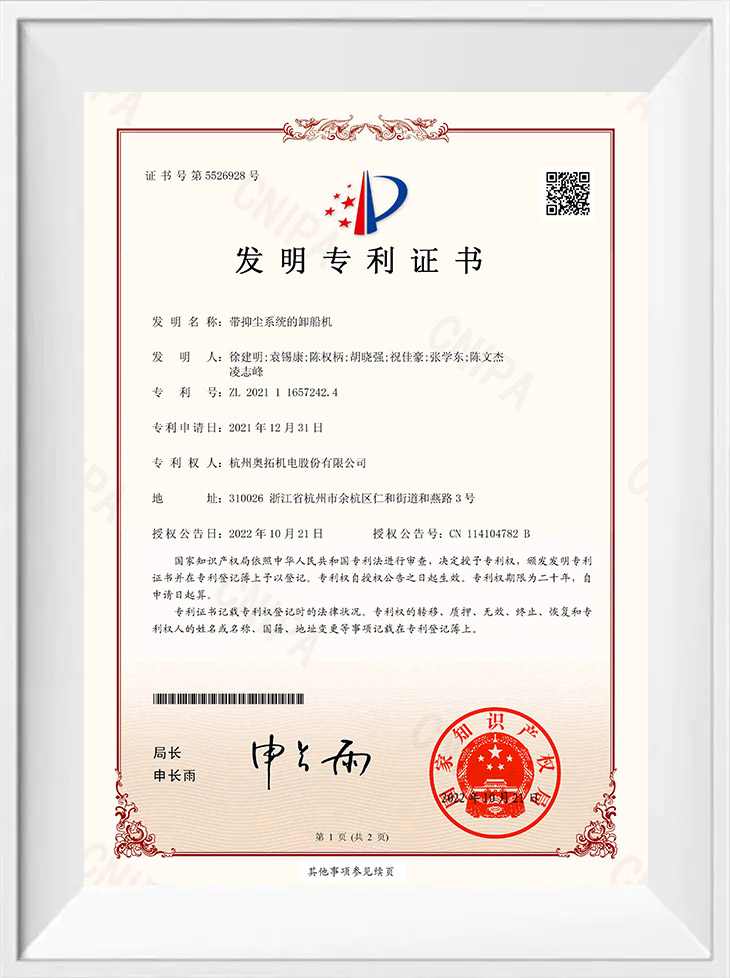
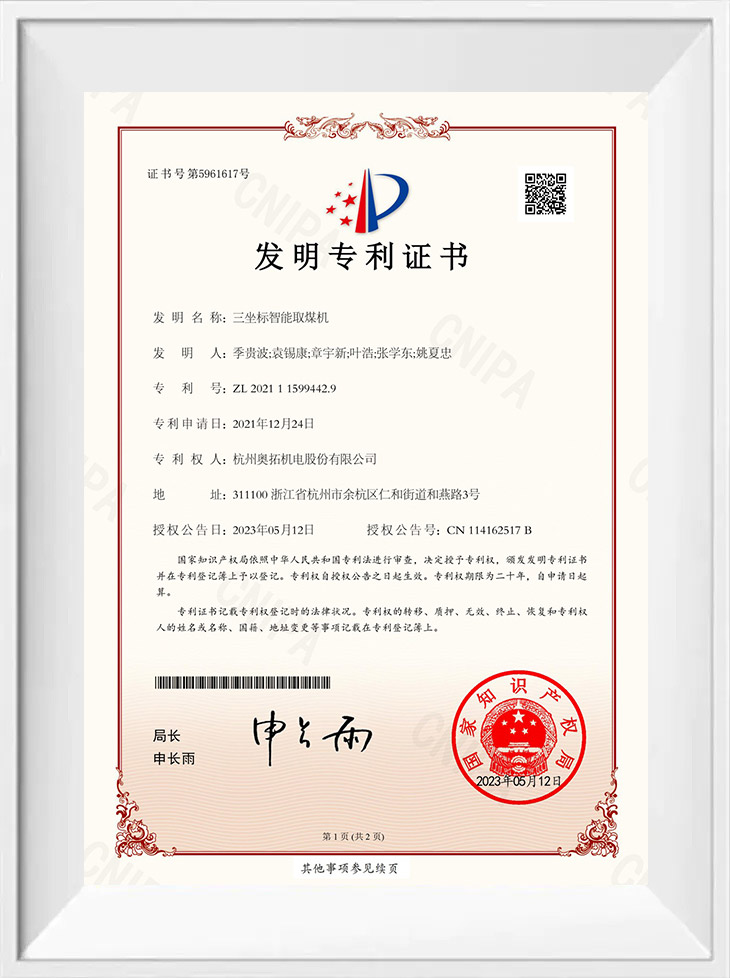
Hangzhou Aotuo Mechanical and Electrical Co., Ltd. (AOTUO) manufactures pulse single machine and air box bag-type dust collectors as part of our auxiliary equipment range for dry bulk material port transfer systems. These units capture particulate from cement, mining, chemical, metallurgical and grain processing operations, achieving outlet emissions as low as 10 mg/Nm³ while handling inlet concentrations up to 200 g/m³.
Our dust collectors are engineered for continuous duty, with pulse-jet cleaning that maintains low pressure drop without interrupting filtration. The air box configuration provides modular flexibility for space-constrained or high-capacity installations.
We supply two primary configurations: the pulse single machine bag filter for compact, point-source dust control, and the air box bag filter for larger air volumes and modular expansion. Both share the same pulse-jet cleaning principle and are available with polyester, PPS, PTFE or aramid filter bags to suit operating temperatures up to 200°C.
These collectors integrate with our Auxiliary Equipment range, including belt conveyors, air slides and bulk loaders, to form a complete dust management system.
Our dust collectors are specified for cement kilns, mills and silo venting; mining crushers and conveyor transfer points; chemical reactor vents; metallurgical furnace and smelter fume control; grain milling and drying; and power generation coal handling. The filter bag material is selected based on gas temperature, chemical composition and abrasiveness.
| Filter Bag Material | Max Continuous Temperature | Typical Application |
|---|---|---|
| Polyester | ≤120°C | General cement, grain, non-aggressive dust |
| PPS | ≤180°C | Coal-fired boilers, medium-temperature flue gas |
| PTFE | ≤200°C | High-temperature, chemically aggressive gases |
| Aramid | ≤200°C | Abrasive dust, metallurgical fumes |
For gases above 200°C, a pre-cooling system or heat exchanger is required upstream of the collector inlet.
Air-to-cloth ratio is selected based on dust characteristics, inlet loading and required emission level. Typical ratios range from 0.8–1.5 m/min for cement applications and 0.6–1.0 m/min for finer powders.
We configure each dust collector around the specific process interface. Options include explosion venting for combustible dust, spark detection, high-temperature alarms, and remote monitoring via PLC. The cleaning sequence can be controlled by differential pressure or timed intervals, with air consumption ranging from 0.5–2.0 m³/min depending on size.
Our control systems integrate with plant-wide automation, providing status signals for fan operation, pressure drop and valve function. For port transfer projects, the dust collector can be interlocked with our Rail mobile Screw Ship Unloader or Rail Mobile Ship Loader to manage dust during loading and unloading.
Units are factory pre-assembled into modules for efficient on-site installation. Site work includes hopper connection, fan ducting, and wiring of the electrical control panel. We provide commissioning support to verify airflow, pressure drop and cleaning cycle settings.
Maintenance access is designed from the clean air side for quick bag replacement. Recommended service intervals: monthly bag inspection, quarterly pulse valve testing, and compressed air filter changes every six months. Polyester bags typically last 18–36 months under normal conditions; high-temperature or abrasive service may reduce life to 12–18 months.
AOTUO operates under quality, environmental and occupational health and safety management systems. Our dust collectors are designed to meet EPA, EU and local emission standards, with outlet concentrations verified by third-party testing. Explosion venting and spark detection are available for combustible dust applications.
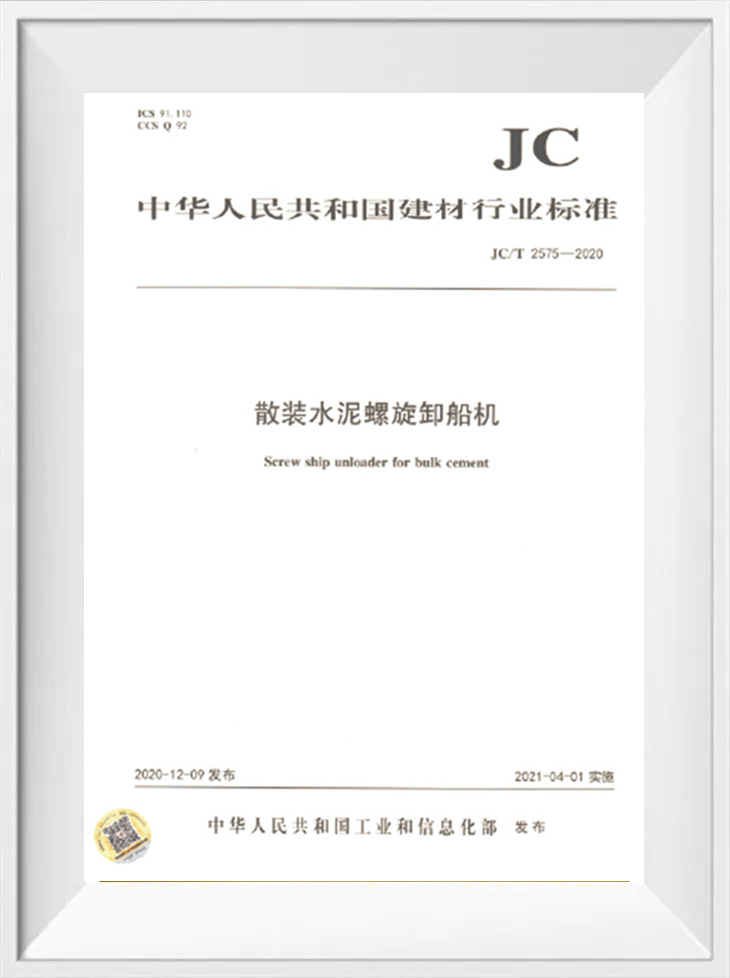
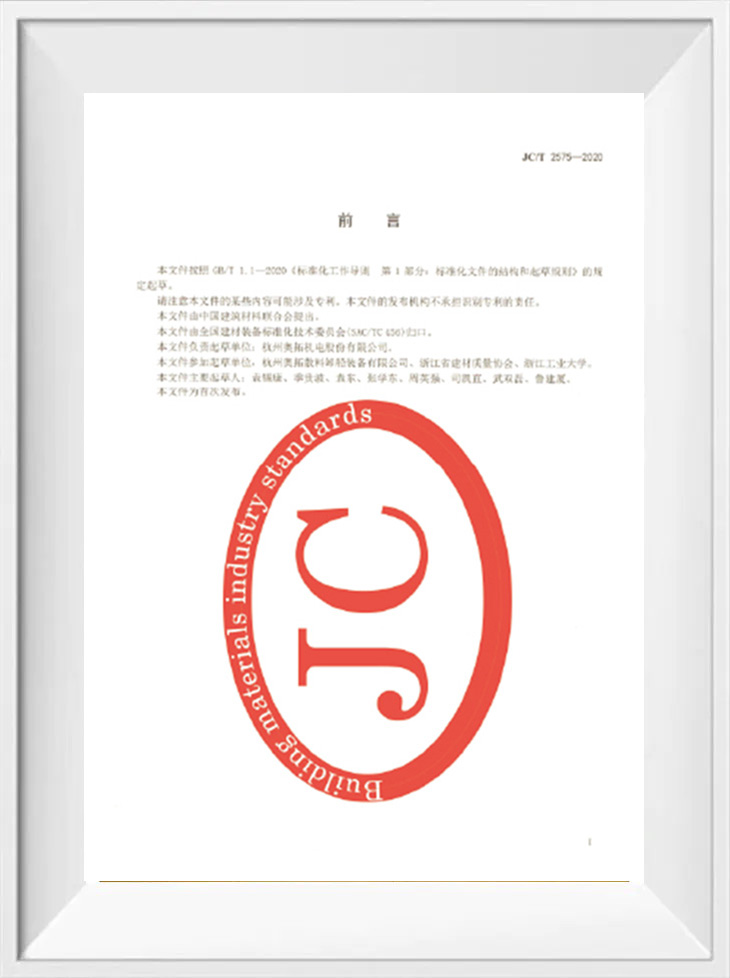
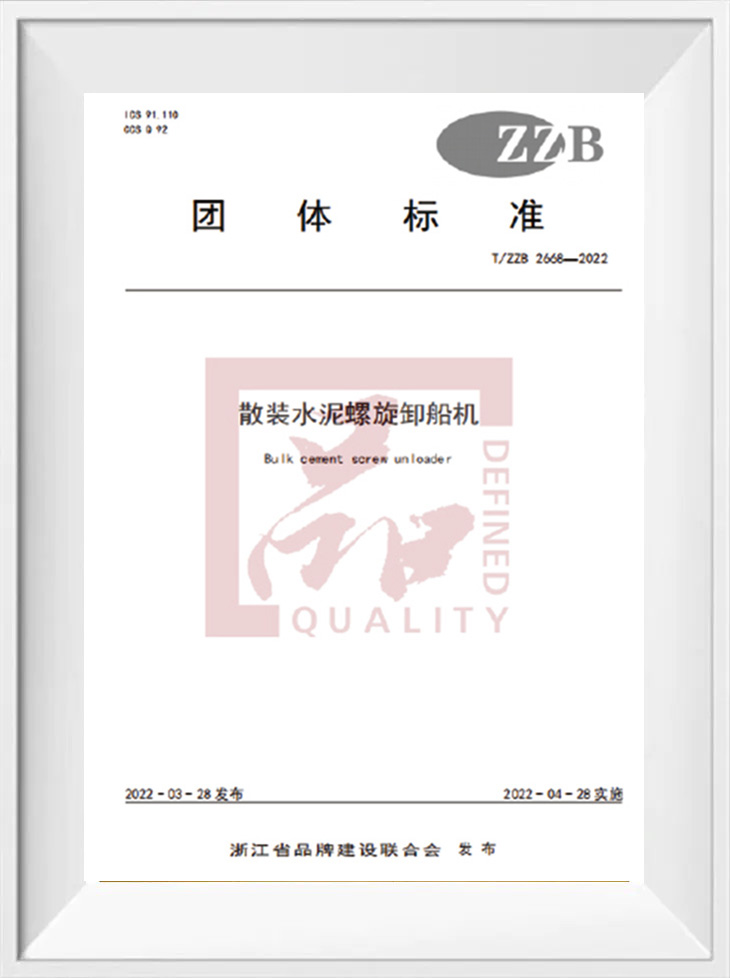
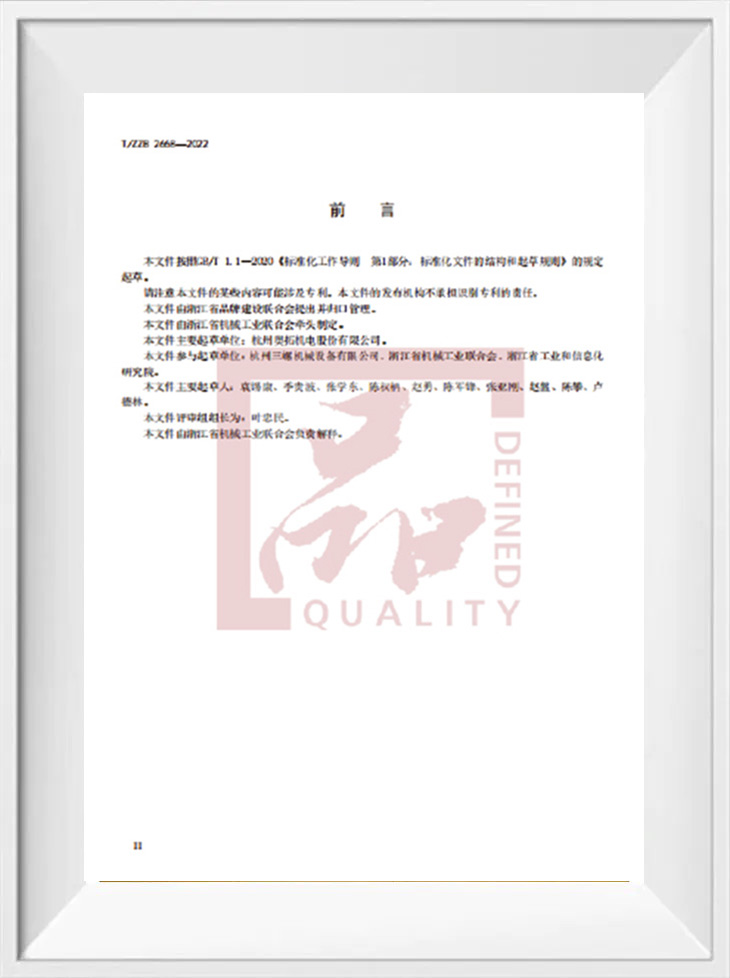
As a national high-tech enterprise and responsible drafting unit for industry standard JC/T 2575, we apply the same engineering rigor to auxiliary equipment as to our ship unloaders. Each unit undergoes factory testing before shipment.
To prepare a suitable proposal, we need the following project data:
Provide these details with your inquiry, and our engineering team will size the filter area, select bag material, and specify the cleaning system to match your process.
How does pulse-jet cleaning work without stopping operation?
The pulse-jet system uses short bursts of compressed air directed backward through the filter bags. This creates a shock wave that dislodges the dust cake while the system continues to process air. The cleaning sequence is divided into multiple rows, so only a small portion is off-line at any time, maintaining continuous operation.
What determines the required filter area for my application?
Filter area is determined by the air-to-cloth ratio, which depends on dust characteristics, inlet concentration, and desired emission level. Typical air-to-cloth ratios range from 0.8 to 1.5 m/min for cement applications, and 0.6 to 1.0 m/min for finer powders. Our engineers calculate the exact area based on your project data.
How often do filter bags need replacement?
Under normal conditions (≤120°C, moderate dust loading), polyester bags typically last 18–36 months. High-temperature or abrasive dust applications may reduce bag life to 12–18 months. Regular inspection and proper cleaning extend service life.
Can the system handle high-temperature gases?
Standard configuration handles up to 120°C. For applications up to 200°C, high-temperature bag materials such as PPS, aramid, or PTFE are available. Above 200°C, a cooling system or heat exchanger is required before the inlet.
What is the typical lead time for a dust collector?
Lead time depends on size, configuration and current production schedule. We confirm delivery after finalizing technical specifications. Standard units typically ship within 8–12 weeks; larger or custom systems may require longer.
Do you provide installation and commissioning support?
Yes. Our service team provides on-site installation guidance and commissioning for dust collectors and integrated systems. We also offer operator training and maintenance documentation.
For more information on our dust collection solutions or to discuss your project, contact our engineering team. We also manufacture Pulse Single Machine/Air Box Bag-Type Dust Collector Dust Removal Equipment and complete port transfer systems.
Copyright © Hangzhou Aotuo Mechanical and Electrical Co., Ltd. All Rights Reserved.
Custom Industrial Bag Dust Collector Manufacturers