
 EN
EN English
 中文简体
中文简体 Français
Product Category
Related Products
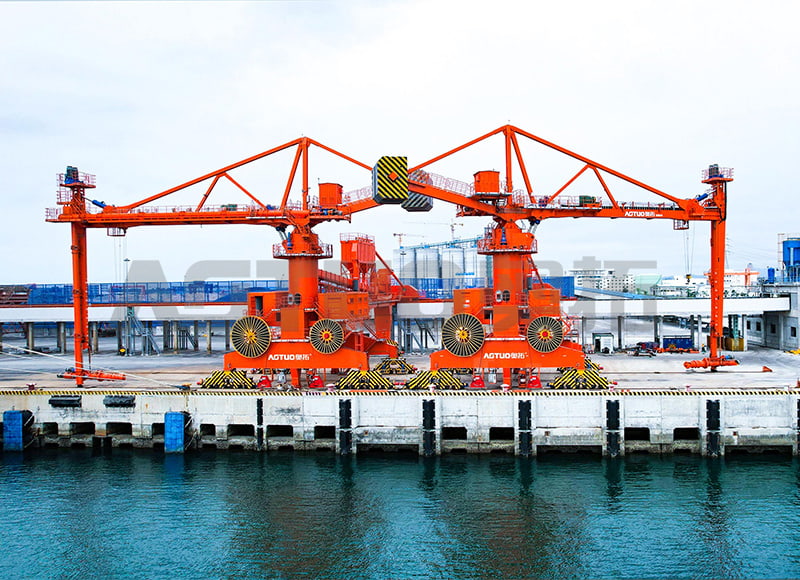
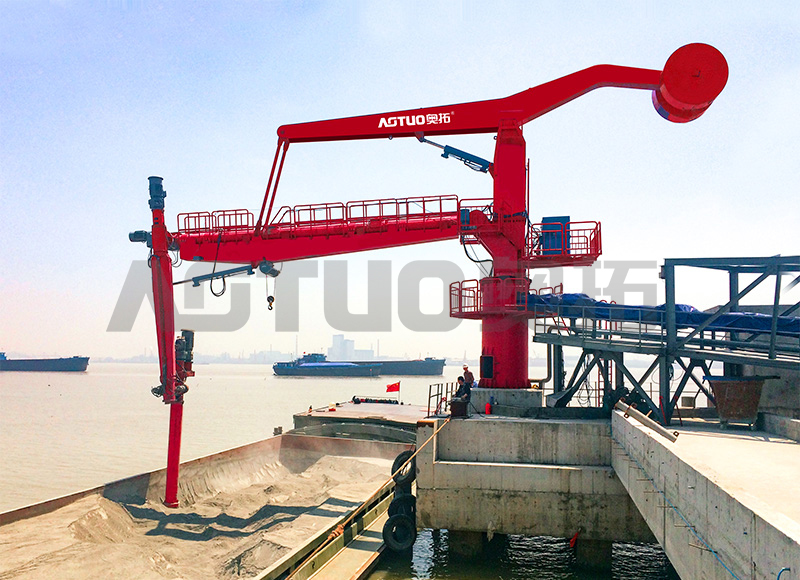
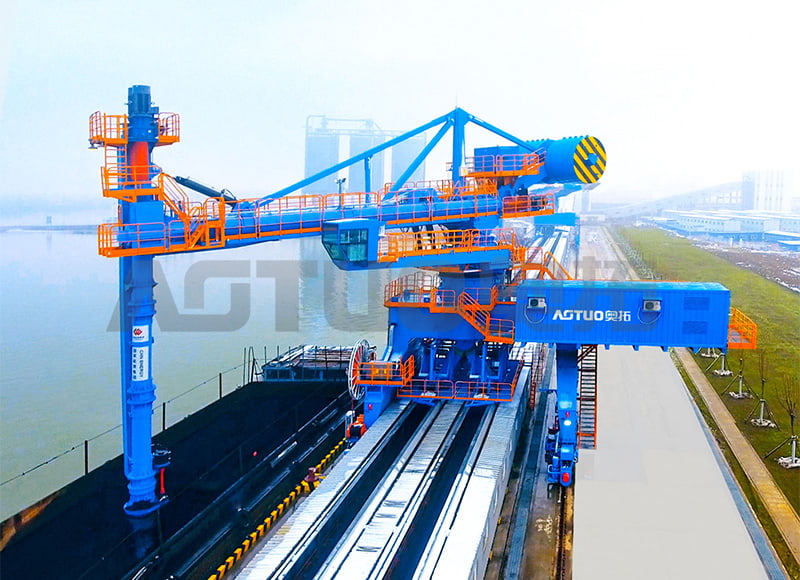
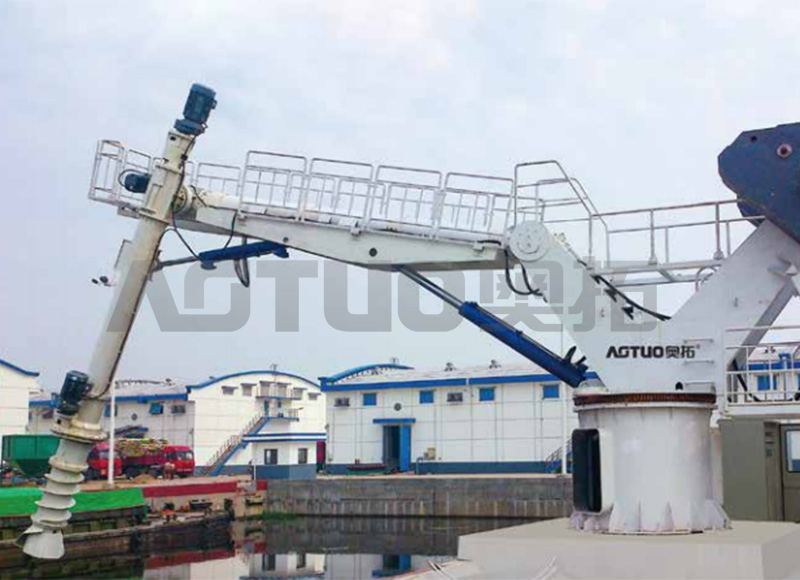
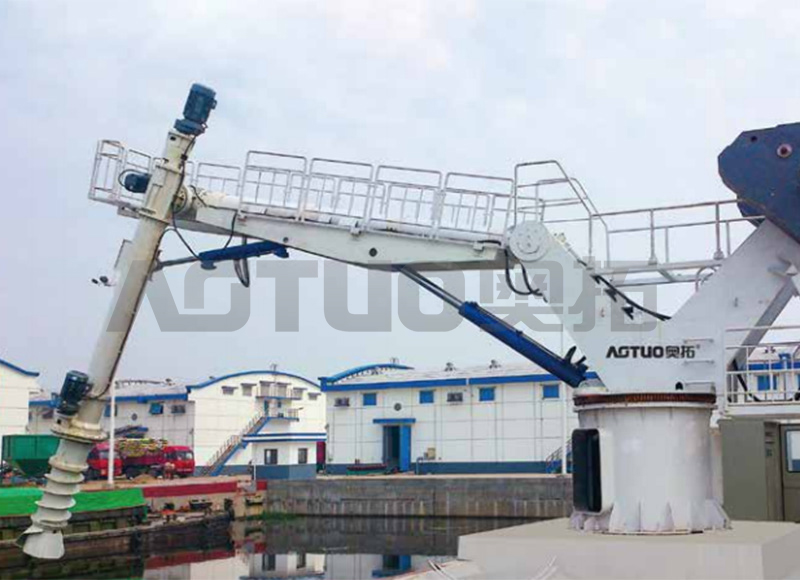
Grain Ship Unloader
A grain unloader is a mechanical equipment specially designed for the efficient unloading of grain. The main function of this ship unloader is to unload large quantities of grain from ships and transport it to designated locations such as wharves or warehouses. Grain unloader is widely used in grain ports, grain storage facilities, and grain processing factories to meet the needs of grain circulation and distribution. The equipment usually uses various ship unloading technologies, such as screw conveyor, bucket unloading, etc., to adapt to different types and sizes of ships and the special nature of the grain. The design of the grain unloader takes into account factors such as dust prevention, efficient unloading, and safe operation to ensure a smooth unloading process.
PREV:No previous article
NEXT:500~100000 DWT 300-1500t/h Environmentally Friendly Cement Clinker Ship Unloader
NEXT:500~100000 DWT 300-1500t/h Environmentally Friendly Cement Clinker Ship Unloader
BULKFLOW
SERIES G-7000
RAIL MOBILE · CONTINUOUS UNLOADER
Grain Ship Unloader
300–1500 t/h | 800–50000 DWT | ≤0.8 kWh/t
Engineered for high-efficiency grain discharge at port terminals. Gentle screw conveying preserves grain integrity while meeting strict environmental standards.
10
mg/m³
dust emission
80
dB
noise
01
Overview
This rail mounted ship unloader is specifically configured for grain handling at port terminals. Production capacity ranges from 300 to 1500 metric tons per hour based on grain bulk density of 0.75 to 0.85 t/m³ for wheat, corn, and soybeans. Vessel compatibility spans 800 DWT to 50000 DWT covering barges through handymax carriers. The rail mounted bogie system enables quay-side mobility serving multiple berths. Horizontal arm delivers ±135 degree slewing and 30° up/down elevation; vertical arm provides 30° inward and 40° outward swing. Energy ≤0.8 kWh/t, dust ≤10 mg/m³, noise ≤80 dB. Enclosed screw conveying prevents spillage and reduces product loss.
02
Advantages
Capacity 300-1500 t/h matches port throughput for wheat, corn, soybeans
Vessel coverage 800–50000 DWT eliminates need for multiple unloader types
Energy ≤0.8 kWh/t reduces OPEX 15-20% vs pneumatic systems
Dust ≤10 mg/m³ meets EPA and EU port environmental standards
Rail mobility serves 2-4 berths, reduces equipment count 30-50%
Grain breakage <0.8% (versus 2-3% for pneumatic)
technical specifications
production capacity300-1500 t/h
applicable ship types800~50000 DWT
horizontal arm slew±135 degrees
horizontal arm elevation30° up / 30° down
vertical arm swinginternal 30° / external 40°
energy consumption≤0.8 kWh/t
noise level≤80 dB
dust emission≤10 mg/m³
comprehensive parameter matrix
| Production capacity | 300-1500 metric tons per hour (based on grain bulk density 0.75-0.85 t/m³ for wheat, corn, soybeans) |
| Applicable ship types | 800 to 50000 deadweight tons (barges to handymax bulk carriers) |
| Horizontal arm swing | ±135 degrees horizontal slewing with automatic positioning |
| Horizontal arm elevation | 30 degrees upward lift / 30 degrees downward detection |
| Vertical arm swing | Internal swing 30 degrees / external swing 40 degrees |
| Energy consumption | ≤0.8 kilowatt-hours per metric ton (loader mechanism only) |
| Noise emission | ≤80 decibels at operator position during continuous operation |
| Dust emission | ≤10 milligrams per cubic meter (3-stage baghouse filtration) |
| Rail gauge | 6000-8000mm configurable per terminal layout |
| Installed power | 300-550kW depending on capacity configuration |
Mechanical features
Rail bogie · 4-point support · auto clamps
Gentle screw · reduced compression ratio
±135° slew · covers 28m hatches
30° up/down · freeboard 2-14m
30°/40° vertical arm sweep
VFD main screw · 20-100% modulation
Stainless steel grain contact surfaces
Remote monitoring · predictive alerts
Applications
Wheat export terminals · 10000-40000 DWT
Corn ports · barges to 15000 DWT
Soybean processing · 24/7 operation
Multi-commodity terminals · quick changeover
Inland river ports · shallow draft
Feed mill receiving stations
Dust & safety
3-stage dust capture · ≤10 mg/m³
PTFE membrane bags · 99.95% efficiency
NFPA 61 compliant · explosion venting
Spark detection · auto shutdown
Differential pressure monitoring
Class II Div 2 locations
Frequently Asked Questions
Grain damage prevention?
Screw peripheral speed 2.5-3.5 m/s at tip, pitch optimized for flow, rubber-lined impact surfaces. Broken kernel <0.5% wheat, <0.8% corn vs pneumatic 2-3%.
Dust control at 10 mg/m³?
Three-stage capture: intake shroud, transfer chute, discharge hopper. Airflow 3500-5500 m³/h, PTFE membrane 99.95% efficiency for >0.5 micron. Explosion venting per NFPA 61.
Maintenance intervals?
Screw inspection 500h, liner measurement 1000h, bearing lube 250h, gearbox oil 4000h. Grain residue cleaning after each vessel for pest prevention.
Rail mobility benefits?
One unit serves multiple berths, reduces equipment count 30-50%. Transfer time 5-8 min at 10-15 m/min. Track length 200-600m.
Operational data
Rail foundation
Gauge 6000-8000mm · 28 t/wheel · tolerance ±3mm/10m · gradient ≤0.3%
Power supply
690V or 400V 50/60Hz 3-phase · 300-550kW · cable reel 250-500m
Grain limits
Max lump 30mm · moisture ≤15% · bulk density 0.65-0.85 t/m³
Environment
Temp -20°C to +45°C · op wind ≤20 m/s · survival 50 m/s
Certification
40h training · NFPA 61 · ISO 14001 · food safety optional
Leave a message
“If you have any comments or inquiries,please feel free to contact us”
Recommended Products
It is focused on the overall solution of dry bulk material port transfer system,
research and development, manufacturing, and service
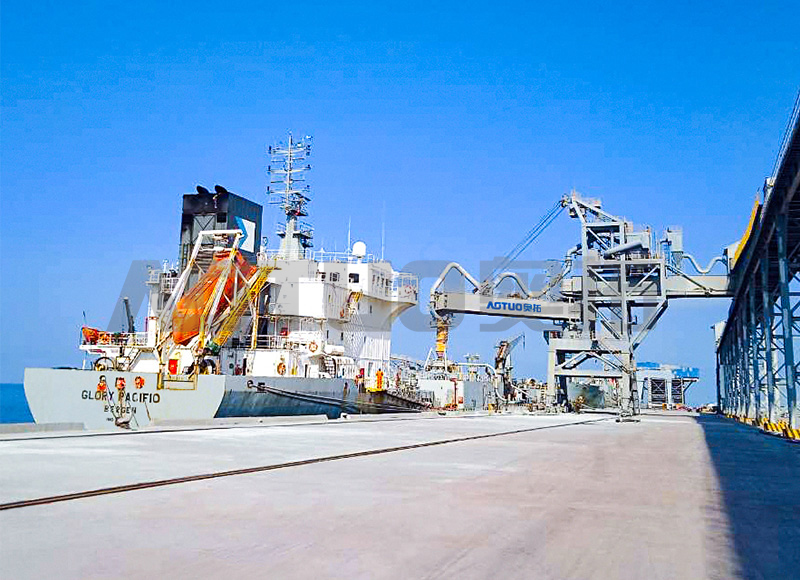
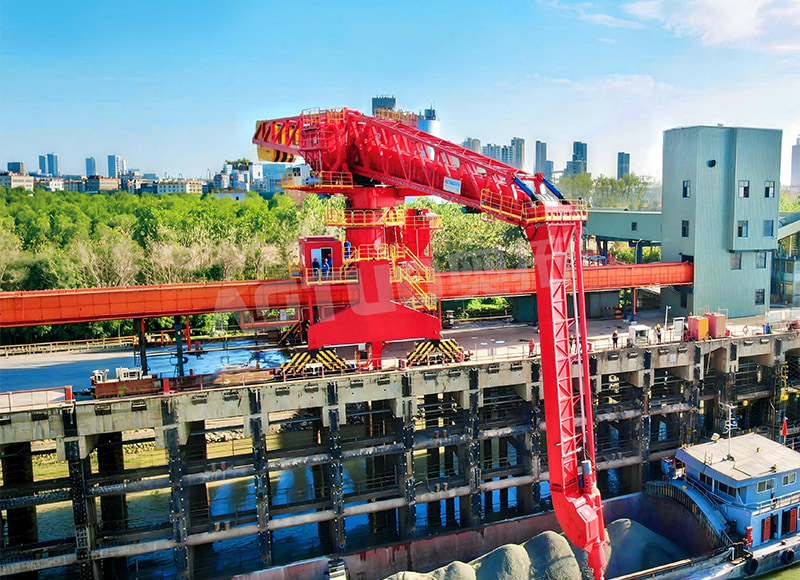
Hangzhou Aotuo Mechanical and Electrical Co., Ltd.
Hangzhou Aotuo Mechanical and Electrical Co., Ltd.(Abbreviated as AOTUO) was established in 2003 and is China Custom Grain Ship Unloader Manufacturers and Grain Ship Unloader Suppliers and AOTUO is a nationalhigh+tech enterprise that focuses on the integrated solutions of the harbor dry bulk material transfer system, as well as the research and development, manufacturing, and service of high-end equipment for dry bulk material port loading and unloading...
-

Professionalism
-

Quality
-

One stop solution



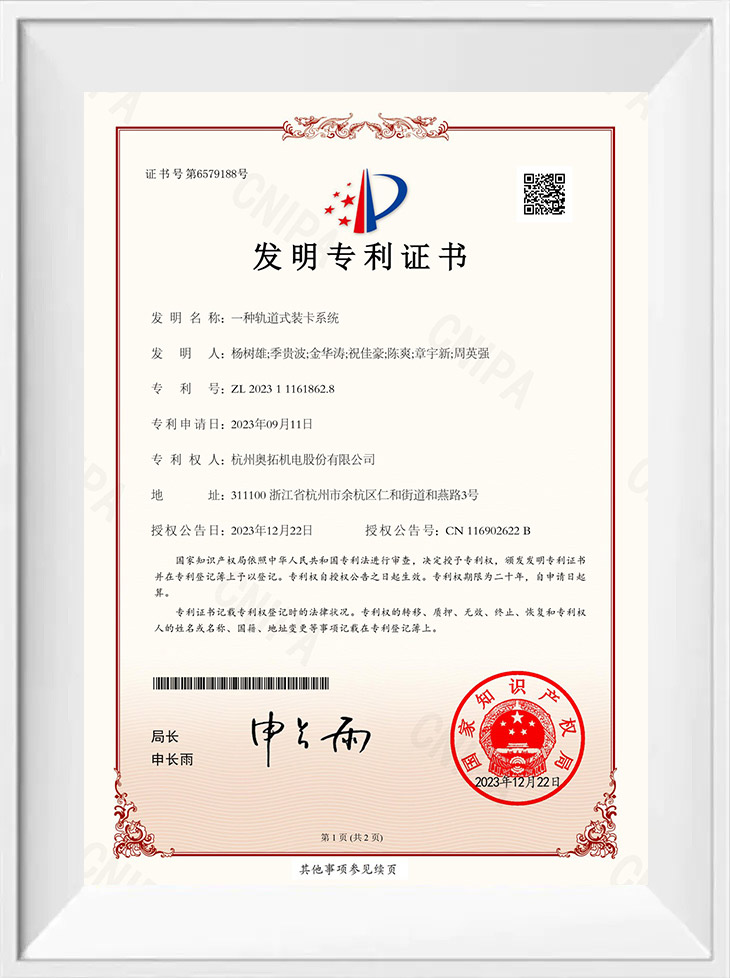
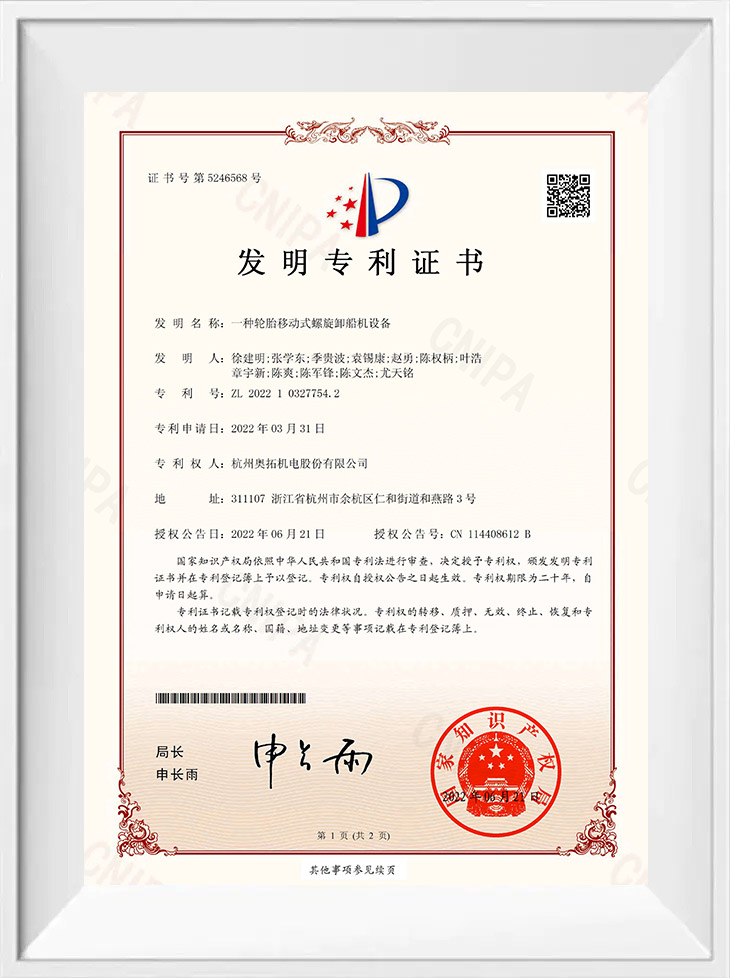
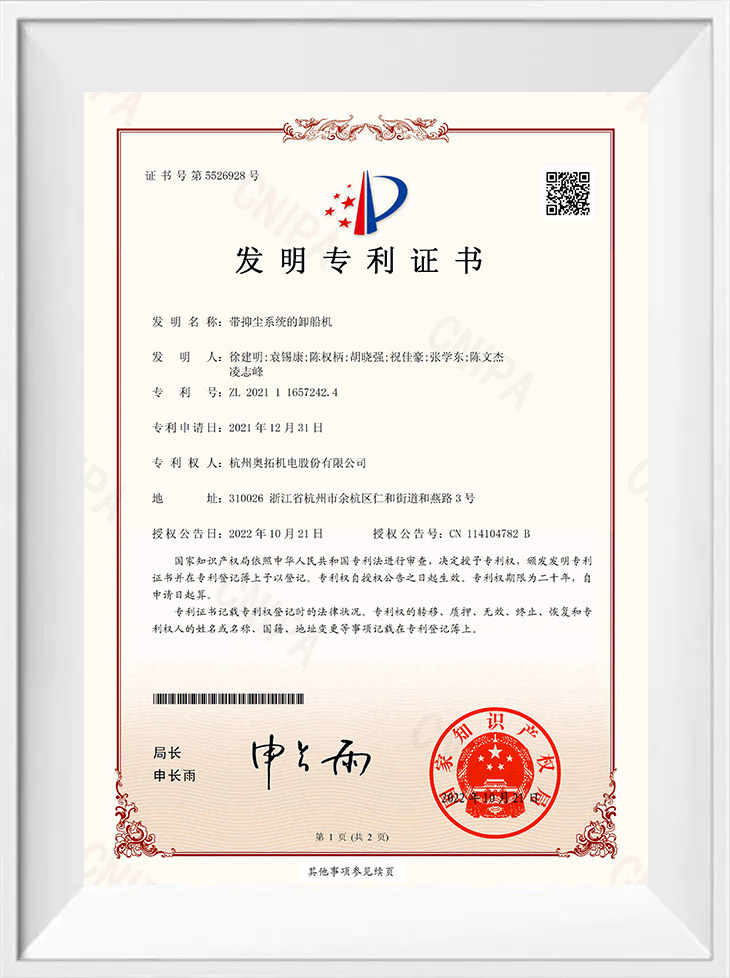
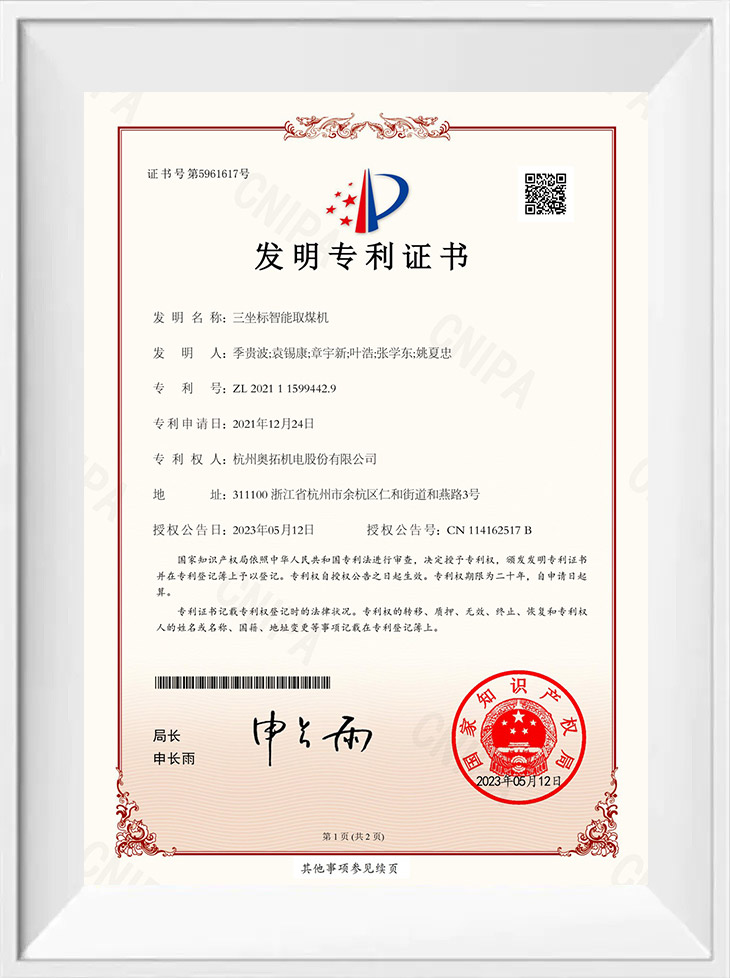
Certificate
Environmental Certification
News Center
News Updates
-
Admin 2026-09-16
Grain Ship Loader Problems: Common Faults, Causes, and Practical Fixes
A 55,000 DWT bulk carrier alongside a grain terminal usually has a berth window of 36 hours or less...Read More -
Admin 2026-09-14
Bulk Ship Loader Boom: Key Structural & Operating Requirements Explained
A 180,000 DWT bulk carrier measures roughly 45 meters across the beam. To place cement, coal, or g...Read More -
Admin 2026-09-09
Grain Ship Loader Maintenance Guide: 5 Checks That Prevent Costly Downtime
A Grain Ship Loader Breaks Down in Three Places at Once Your rail-mounted grain loader has just dro...Read More -
Admin 2026-09-04
Custom Grain Ship Loader Solutions for Port Projects: Design, Capacity & Compliance
When a port project team starts specifying a new grain export or import terminal, the ship loader i...Read More -
Admin 2026-09-03
How to Reduce Grain Ship Loader Maintenance Costs: A Practical Guide | AOTUO
A mid-sized grain terminal was spending nearly 18 percent more on ship loader maintenance every yea...Read More -
Admin 2026-08-28
Aotuo launches eco-friendly multi-material ship unloader
Aotuo has successfully launched another continuous-type environmental-friendly multi-material ship u...Read More
Grain Ship Unloader Industry knowledge
Grain Ship Unloader by AOTUO
Hangzhou Aotuo Mechanical and Electrical Co., Ltd. (AOTUO) has focused on dry bulk material port transfer systems since 2003. Our Grain Ship Unloader is a rail-mounted continuous screw unloader engineered for wheat, corn, and soybean discharge at port terminals. We manufacture the complete unit, including the screw conveying system, dust collection, and intelligent control, at our 35,000 m² production base in Hangzhou, China.
The BULKFLOW SERIES G-7000 is our current grain-specific model. It combines a horizontal arm with ±135° slewing and a vertical arm with 30° inward / 40° outward swing to reach across hatches and down to the hold bottom. The enclosed screw design preserves grain integrity while meeting strict environmental standards.
Key Specifications
| Parameter | Value |
|---|---|
| Production capacity | 300–1500 t/h (based on wheat, corn, soybean bulk density 0.75–0.85 t/m³) |
| Applicable ship types | 800–50,000 DWT (barges to handymax bulk carriers) |
| Horizontal arm slew | ±135° |
| Horizontal arm elevation | 30° up / 30° down |
| Vertical arm swing | 30° internal / 40° external |
| Energy consumption | ≤0.8 kWh/t |
| Noise level | ≤80 dB |
| Dust emission | ≤10 mg/m³ (3-stage baghouse filtration) |
| Rail gauge | 6000–8000 mm configurable |
| Installed power | 300–550 kW depending on capacity configuration |
Mechanical & Operational Features
- Rail bogie with 4-point support and automatic clamps for quay-side mobility.
- Gentle screw conveying with reduced compression ratio to minimize grain damage.
- VFD main screw allows 20–100% modulation for variable throughput.
- Stainless steel grain contact surfaces (304 grade) for hygiene and corrosion resistance.
- Remote monitoring and predictive alerts for maintenance planning.
Dust & Safety Systems
Grain handling demands strict dust control. Our G-7000 uses a three-stage dust capture system: intake shroud, transfer chute, and discharge hopper. Airflow is 3500–5500 m³/h with PTFE membrane bags rated at 99.95% efficiency for particles above 0.5 micron. Explosion venting complies with NFPA 61, and spark detection triggers automatic shutdown. Differential pressure monitoring ensures filter integrity.
Application Fit
This unloader is configured for grain ports, storage facilities, and processing plants. Typical applications include wheat export terminals (10,000–40,000 DWT), corn ports handling barges up to 15,000 DWT, soybean processing plants with 24/7 operation, and multi-commodity terminals requiring quick changeover. Inland river ports with shallow draft and feed mill receiving stations also benefit from the rail mobility and compact footprint.
For cement, clinker, or coal applications, we offer dedicated models such as the Environmentally Friendly Cement Clinker Ship unloader and the Environmentally Friendly Screw Coal Ship Unloader. Our Ship Loader range covers the loading side of the terminal.
Configuration Options
- Rail gauge: 6000–8000 mm to match existing quay tracks.
- Power supply: 690 V or 400 V, 50/60 Hz, 3-phase; cable reel 250–500 m.
- Screw design: Diameter 450–750 mm, pitch/diameter ratio 0.8–1.0, speed 40–130 RPM via VFD.
- Control system: PLC-based with optional remote monitoring and predictive maintenance platform.
- Material options: Food-grade stainless steel 304 for grain contact surfaces.
Installation & Commissioning
We provide full engineering support from foundation design to commissioning. The rail foundation requires gauge tolerance of ±3 mm per 10 m and gradient ≤0.3%. Power supply and cable reel routing are coordinated with terminal infrastructure. Our service team handles mechanical installation, electrical integration, and performance testing. Operator training covers safe operation, dust system management, and routine maintenance.
Maintenance & Serviceability
Designed for easy maintenance, the G-7000 has accessible screw inspection points. Recommended intervals: screw inspection every 500 hours, liner measurement every 1000 hours, bearing lubrication every 250 hours, and gearbox oil change every 4000 hours. Grain residue cleaning after each vessel is advised for pest prevention. AOTUO supplies spare parts and offers remote diagnostic support through our integrated predictive maintenance platform.
Quality Assurance & Compliance
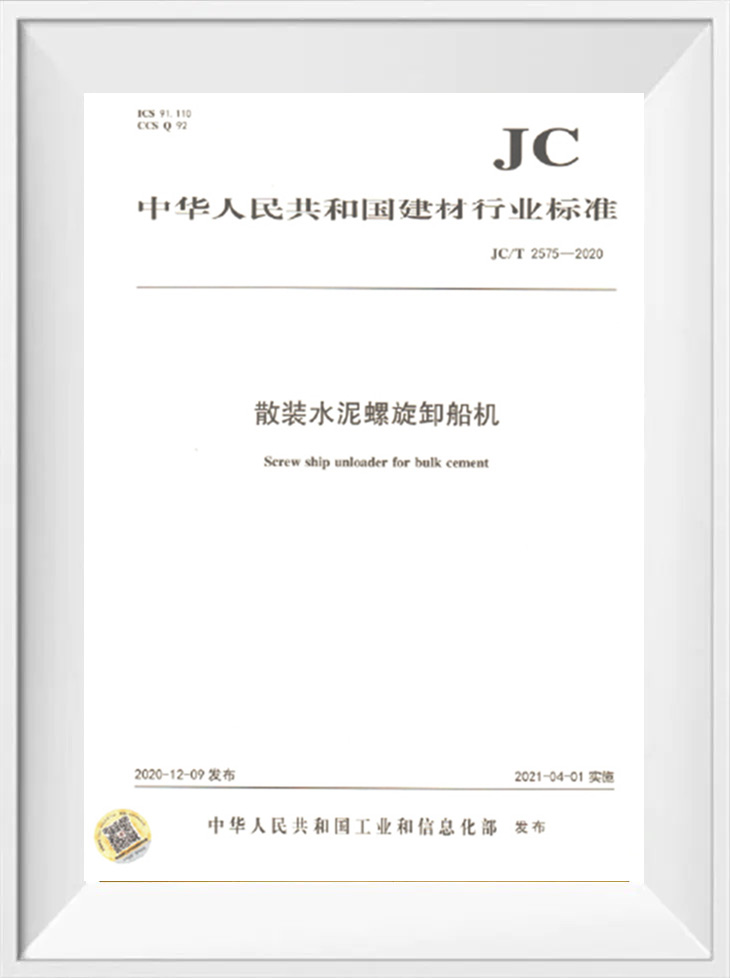
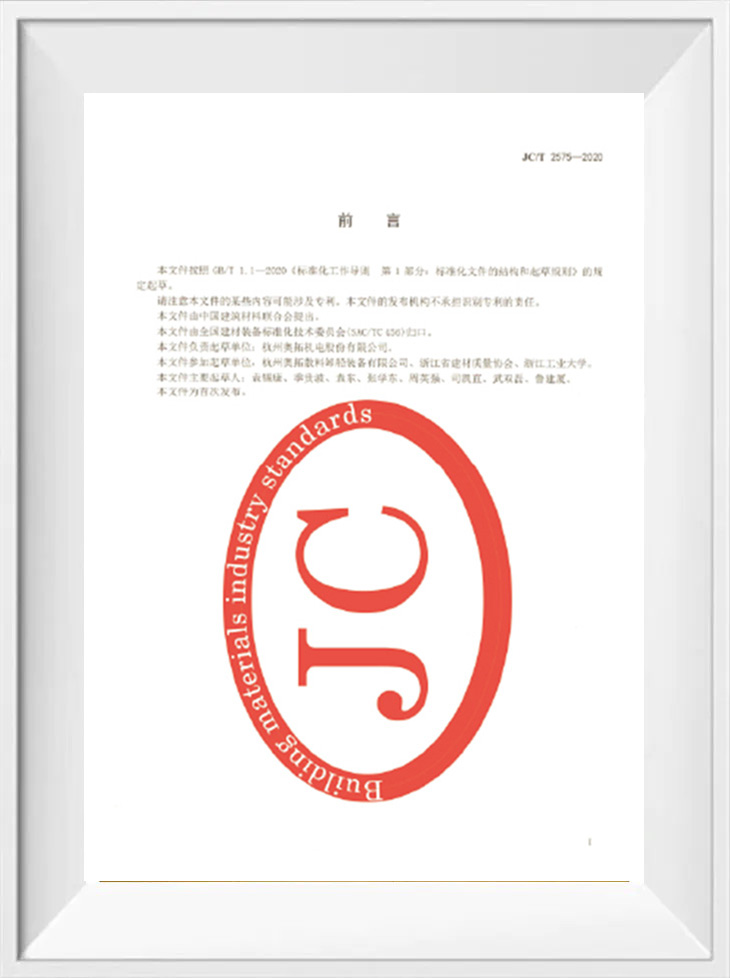
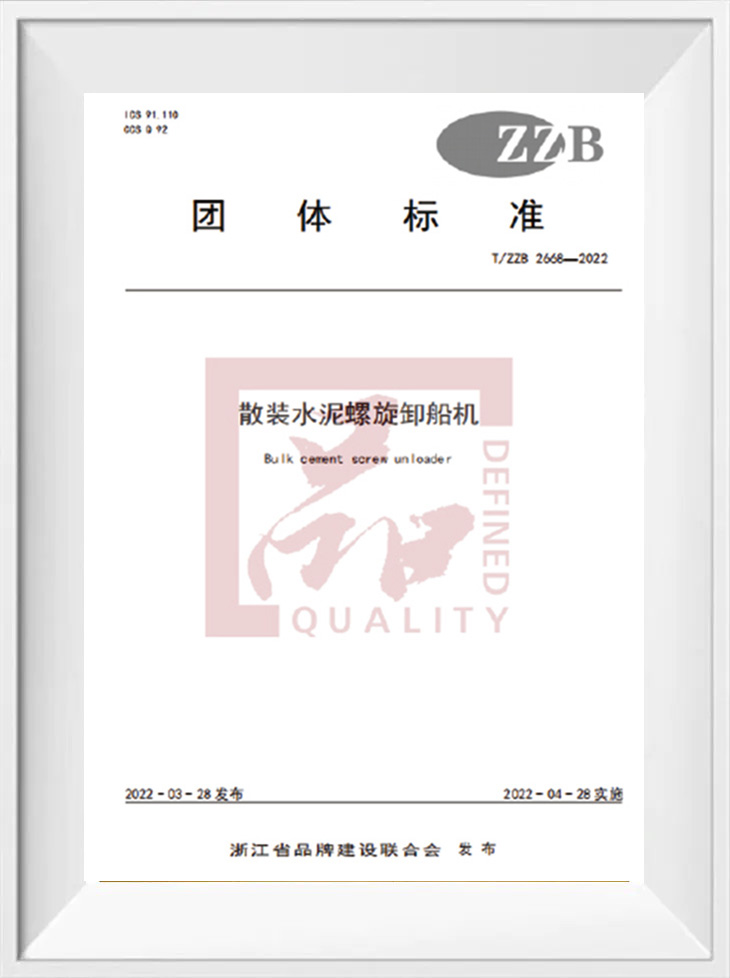
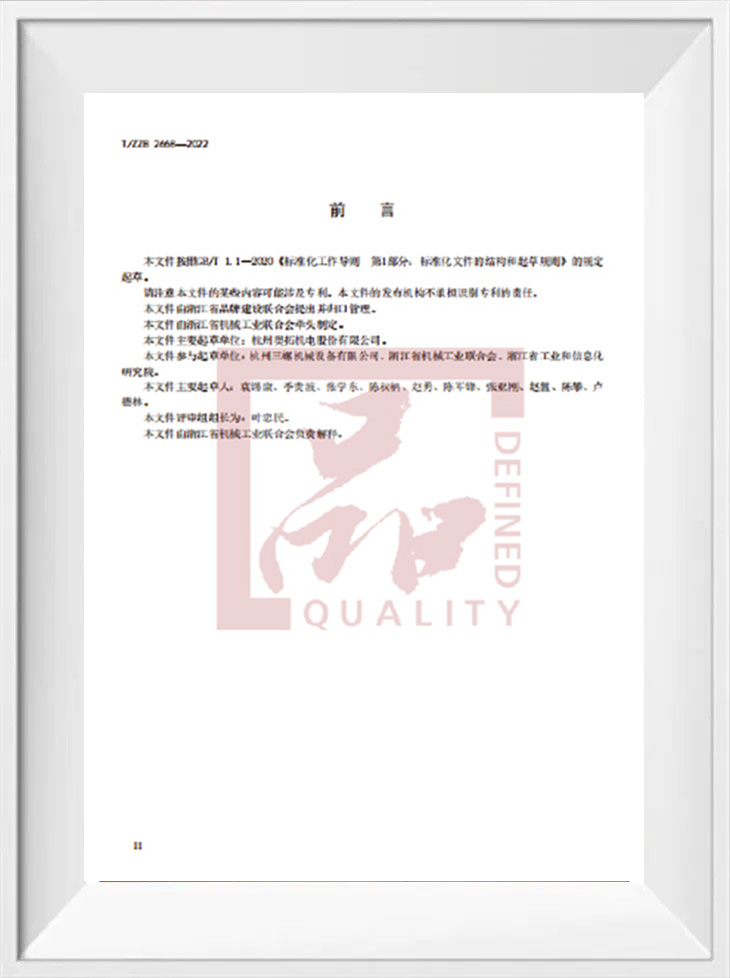
AOTUO holds ISO 14001 environmental certification and follows NFPA 61 for explosion venting. Our production facility operates under quality, environmental, and occupational health and safety management systems. The G-7000 can be supplied with food safety optional certification. As the responsible drafting unit for JC/T 2575 "Bulk Cement Spiral Unloader," we apply rigorous engineering standards to all screw unloader designs.
Information We Use to Configure Your Solution
To prepare an accurate proposal, we need the following project inputs:
- Grain type(s) and bulk density (t/m³)
- Vessel size range (DWT) and hatch dimensions
- Required unloading capacity (t/h) and daily throughput target
- Quay layout, rail gauge, and available track length
- Power supply details (voltage, frequency, phase)
- Dust emission and noise limits for the port
- Automation and remote monitoring requirements
- Any special environmental or safety certifications needed
Frequently Asked Questions
How does the screw design prevent grain damage?
Screw peripheral speed is maintained at 2.5–3.5 m/s at the tip, with pitch optimized for flow and rubber-lined impact surfaces. Broken kernel rates are typically below 0.5% for wheat and below 0.8% for corn, compared to 2–3% for pneumatic systems.
What dust control measures are integrated?
A three-stage capture system (intake shroud, transfer chute, discharge hopper) with airflow of 3500–5500 m³/h and PTFE membrane bags achieving 99.95% efficiency for particles above 0.5 micron. Explosion venting per NFPA 61 and spark detection with auto shutdown are standard.
What are the recommended maintenance intervals?
Screw inspection every 500 hours, liner measurement every 1000 hours, bearing lubrication every 250 hours, and gearbox oil change every 4000 hours. Grain residue cleaning after each vessel is recommended for pest prevention.
How does rail mobility benefit terminal operations?
One unit can serve multiple berths, reducing equipment count by 30–50%. Transfer time between berths is 5–8 minutes at 10–15 m/min travel speed. Track length can range from 200 to 600 meters.
What vessel sizes and grain types can the G-7000 handle?
The G-7000 accommodates vessels from 800 to 50,000 DWT, covering barges to handymax carriers. It is designed for wheat, corn, and soybeans with bulk density of 0.65–0.85 t/m³, moisture up to 15%, and maximum lump size of 30 mm.
What certifications and standards apply?
The G-7000 complies with NFPA 61 for explosion venting and can be supplied with ISO 14001 environmental certification. Food safety optional certification is available. AOTUO is the responsible drafting unit for JC/T 2575 "Bulk Cement Spiral Unloader."
Leave a message
Contact Us
- WhatsApp: +86-13675892653
- Tel: +86-18958022558(Timmy You)
- +86-13675892653(IVY Zhou)
- E-mail: [email protected]
- Add: No. 3 Heyan Road, Renhe Base, Qianjiang Economic Development Zone, Yuhang District, Hangzhou City
Copyright © Hangzhou Aotuo Mechanical and Electrical Co., Ltd. All Rights Reserved.
Custom Grain Ship Unloader Suppliers
