EN
 English
 中文简体
 Français

Custom 1000-70000 DWT 200-1500t/h Tire Mobile Screw Ship Unloader Manufacturers
Home / Equipment / Screw Ship Unloader / Cement Screw Ship Unloader / 1000-70000 DWT 200-1500t/h Tire Mobile Screw Ship Unloader
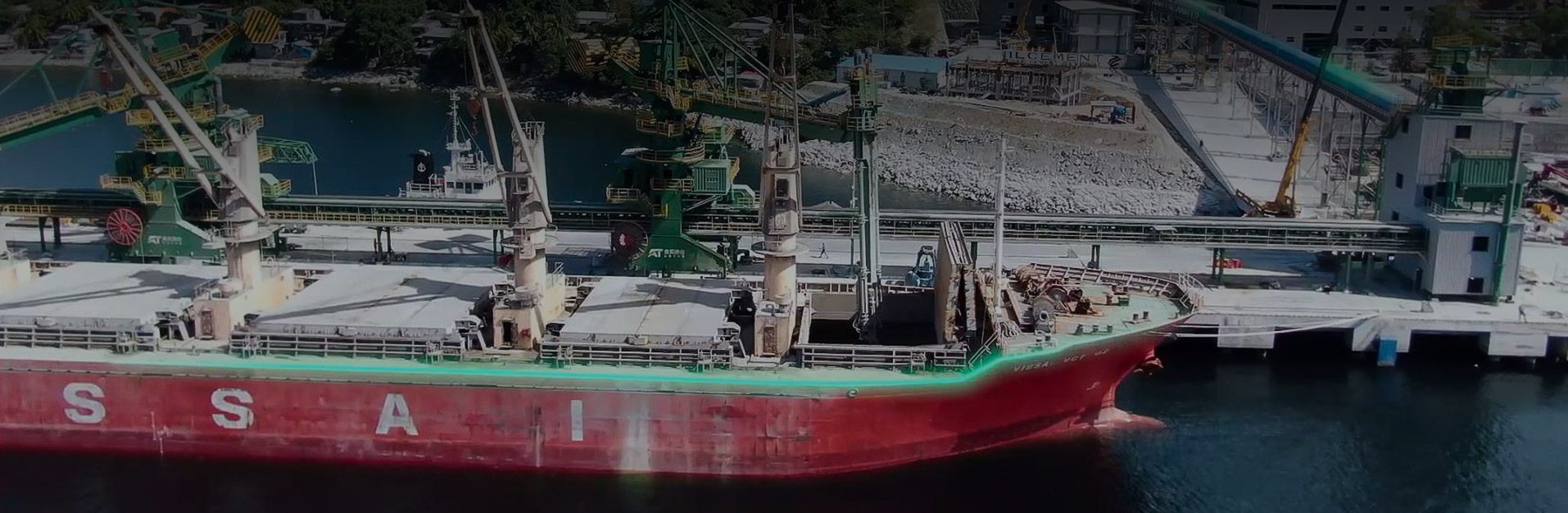
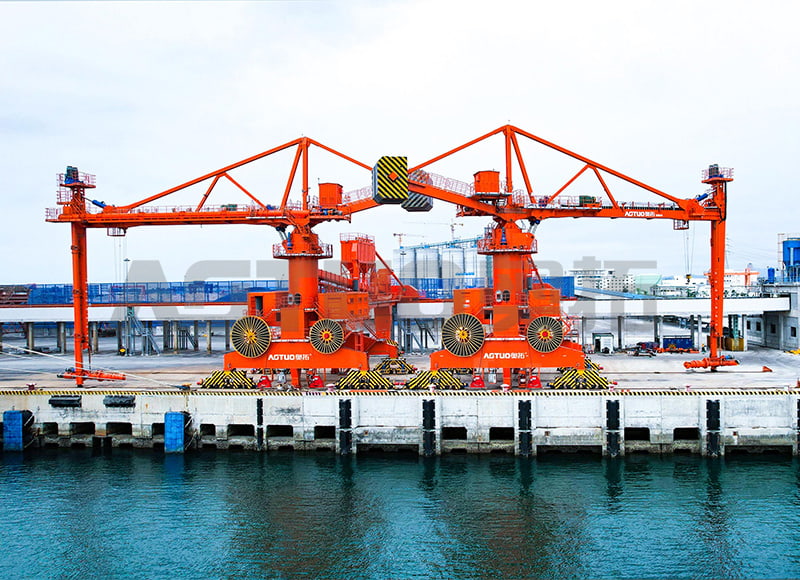
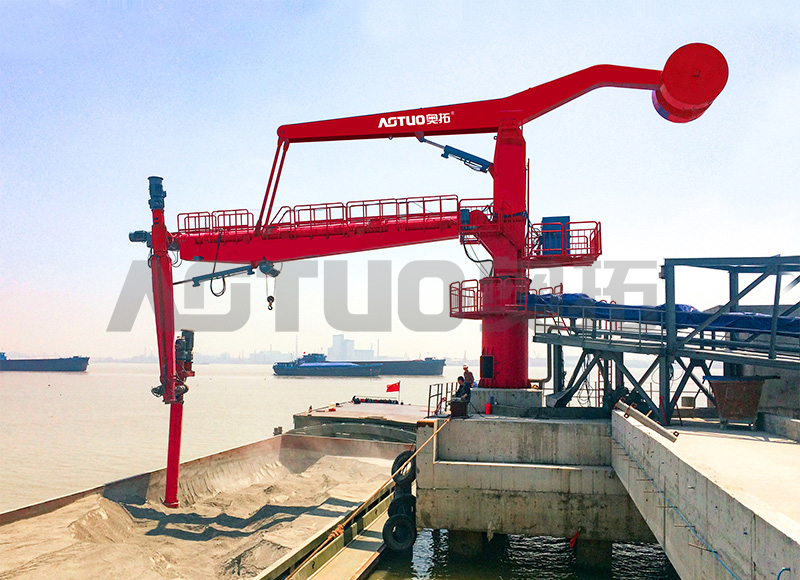
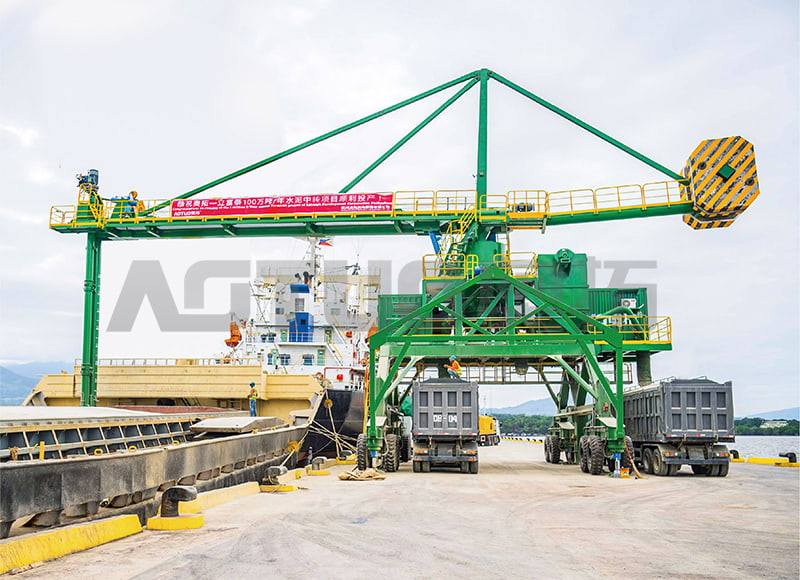

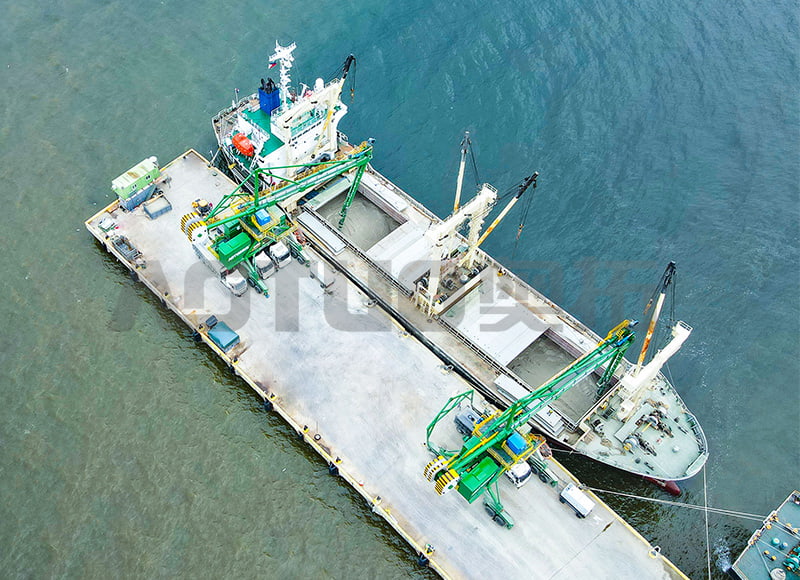
The ATXL-T tire mobile screw unloader is applied to seaports and docks that do not have installed tracks or fixed bases and can unload large ships. The tire movement method allows the device to move more freely.
| Production capacity | 200-1500 metric tons per hour (based on cement bulk density 1.2 t/m³) |
| Applicable ship type | 1000 to 70000 deadweight tons (coasters to Panamax bulk carriers) |
| Horizontal arm return angle | ±110 degrees horizontal slewing |
| Horizontal arm elevation angle | 25 degrees upward lift / 8 degrees downward detection |
| Vertical arm swing angle | Internal swing 30 degrees / external swing 30 degrees |
| Energy consumption | Less than 0.8 kilowatt-hours per metric ton |
| Noise emission | ≤85 decibels at operator position |
| Dust emission concentration | ≤10 mg/m³ (with optional dust collection system) |
| Tire configuration | 8 pneumatic tires, 4-wheel drive, 4-wheel steering |
| Travel speed | 3-5 km/h (self-propelled) |
It is focused on the overall solution of dry bulk material port transfer system,
research and development, manufacturing, and service

Professionalism

Quality

One stop solution



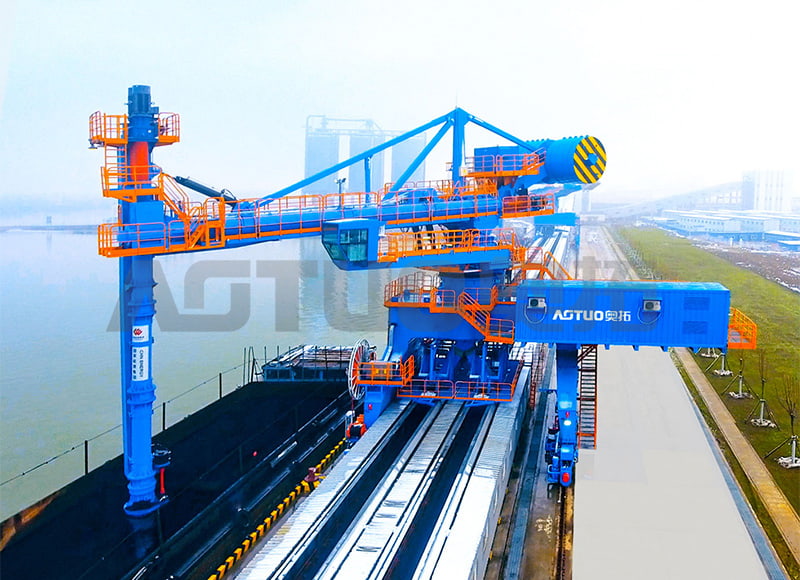
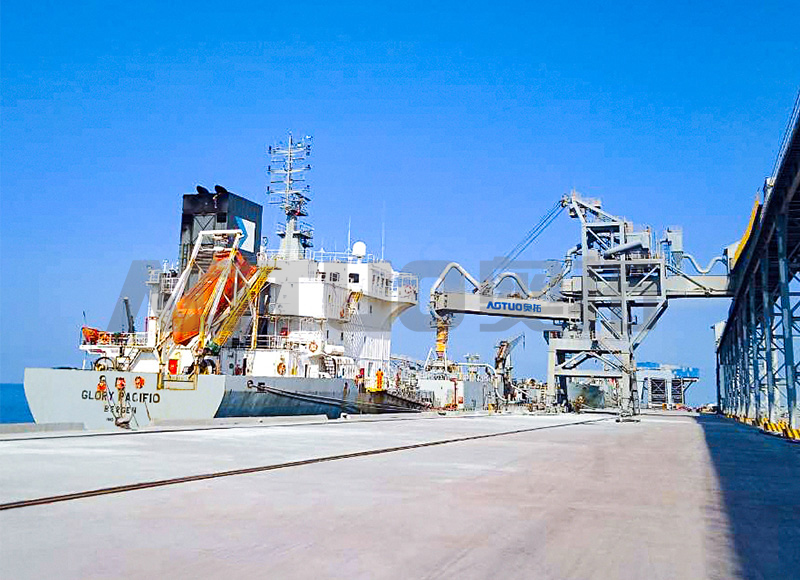
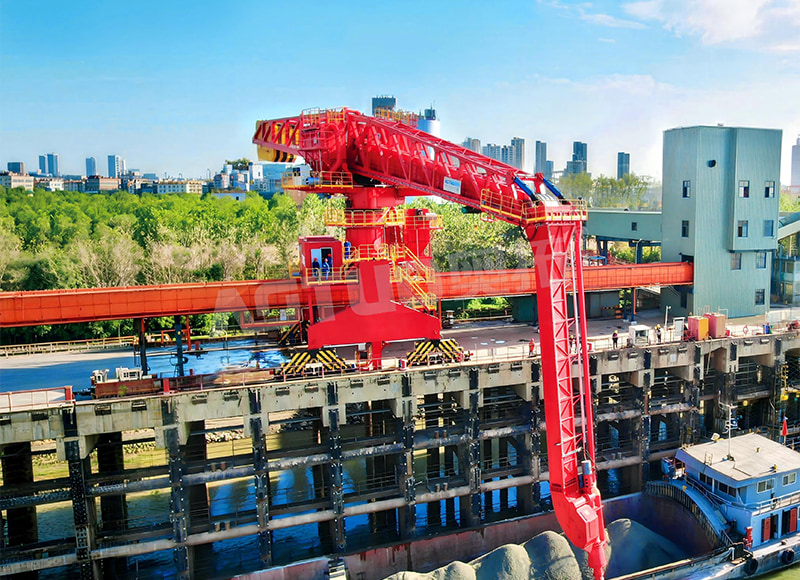
Hangzhou Aotuo Mechanical and Electrical Co., Ltd. (AOTUO) manufactures the ATXL-T tire mobile screw ship unloader for ports and terminals that need continuous bulk unloading without rail foundations. The machine covers 200–1500 t/h and vessels from 1000 to 70000 DWT, using an enclosed screw conveying path, a self-propelled pneumatic tire chassis and a slewing articulated boom.
We build the ATXL-T as a complete unloading unit: tire-mounted chassis, hydraulic outriggers, horizontal and vertical screw arms, transfer hopper, dust control interface and electrical control system. It is positioned for seaports and river docks where installing rails or a fixed base is impractical, and where one machine must serve several berths or storage zones.
The rated capacity of 200–1500 t/h is stated on a cement bulk density basis of 1.2 t/m³. Actual throughput depends on material angle of repose, particle size, moisture and the receiving conveyor or truck interface downstream of the unloader.
| Parameter | Specification |
|---|---|
| Production capacity | 200–1500 t/h (cement bulk density 1.2 t/m³) |
| Applicable ship type | 1000–70000 DWT (coasters to Panamax bulk carriers) |
| Horizontal arm slewing | ±110° |
| Horizontal arm elevation | 25° up / 8° down |
| Vertical arm swing | 30° inward / 30° outward |
| Energy consumption | <0.8 kWh/t |
| Noise level | ≤85 dB at operator position |
| Dust emission | ≤10 mg/m³ with optional dust collection system |
| Tire configuration | 8 pneumatic tires, 4-wheel drive, 4-wheel steering |
| Travel speed | 3–5 km/h self-propelled |
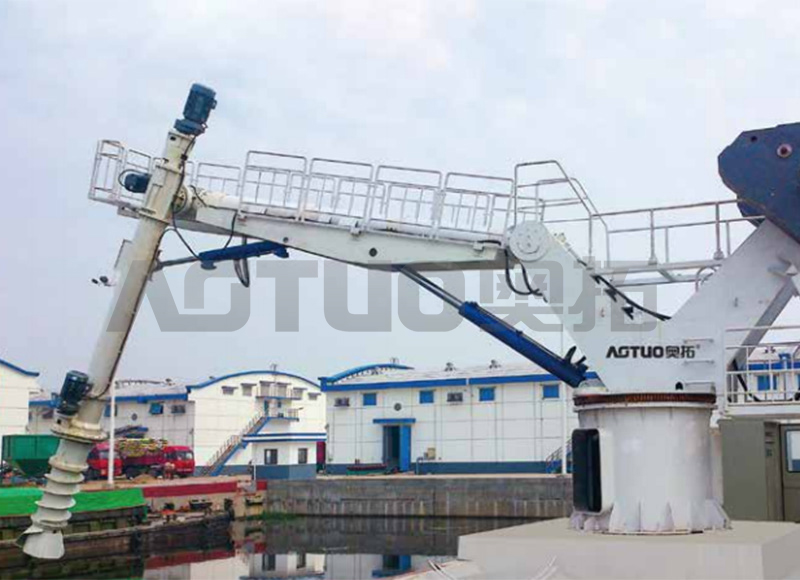
The articulated boom combines a horizontal arm with ±110° slewing and 25° upward / 8° downward elevation, plus a vertical arm that swings 30° inward and 30° outward. This envelope lets the intake follow the cargo surface across wide hatches and varying freeboard without repositioning the chassis.
The screw conveyor uses a 450–700 mm diameter, pitch-to-diameter ratio of 0.7 and 40–120 RPM variable frequency drive. Hardfaced flighting is available for abrasive clinker or cement. The enclosed conveying path limits spillage and dust escape at the intake point.
Tire mobility removes rail foundation work and the associated civil cost. Relocation between berths or storage zones typically takes 15–20 minutes. The 8-tire chassis distributes load at roughly 8–10 kg/cm²; hydraulic outriggers engage during unloading and transfer weight directly to the ground, reducing tire load by about 70% in operation.
The ATXL-T is configured for free-flowing dry bulk materials such as cement, clinker, coal, grain and similar products. We confirm the working point against maximum lump size of 60 mm, moisture up to 8% for cement, density range 0.8–1.6 t/m³ and material temperature up to 80 °C.
Where the material is abrasive or the duty is continuous, we adjust screw diameter, flighting hardness and drive rating. For dusty cargoes, an optional baghouse or connection to a terminal dust collection system keeps emission at or below 10 mg/m³.
The control system integrates VFD screw drives, boom motion control, tire pressure monitoring and remote positioning with joystick operation. Sensors and monitoring devices feed an intelligent control layer for real-time status display and fault warning. We configure the control interface around the required line interface, whether the unloader discharges to a hopper, belt conveyor or truck loading point.
Operator safety features include outrigger interlocks, wind-speed monitoring, emergency stop and a 32-hour certification training program covering tire maneuvering, outrigger deployment, boom control and emergency procedures, with annual refresher training.
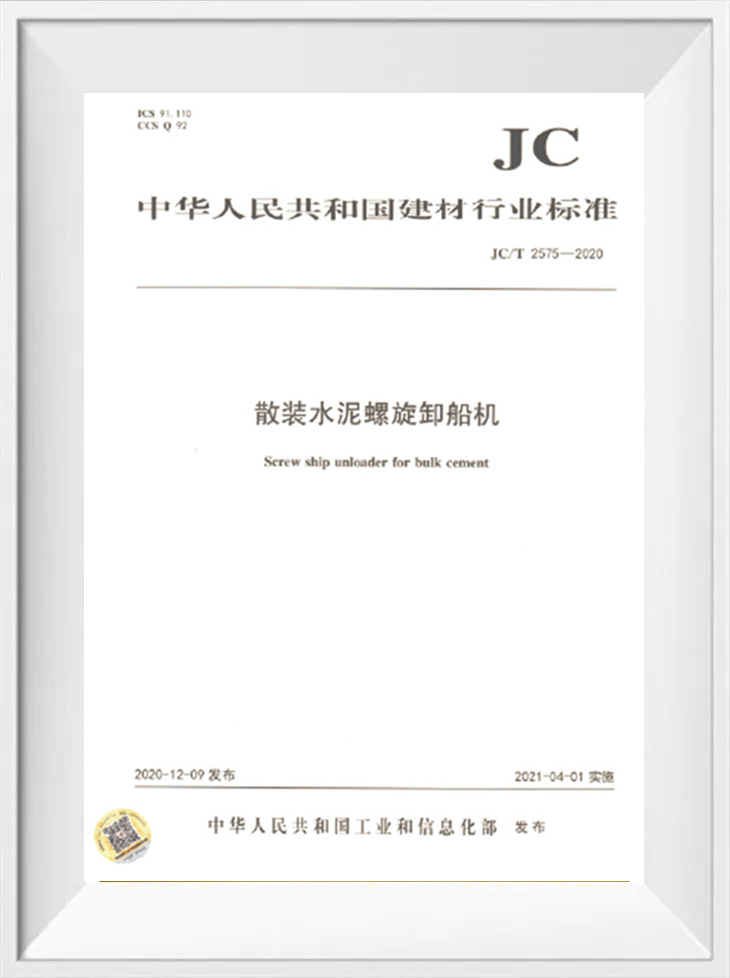
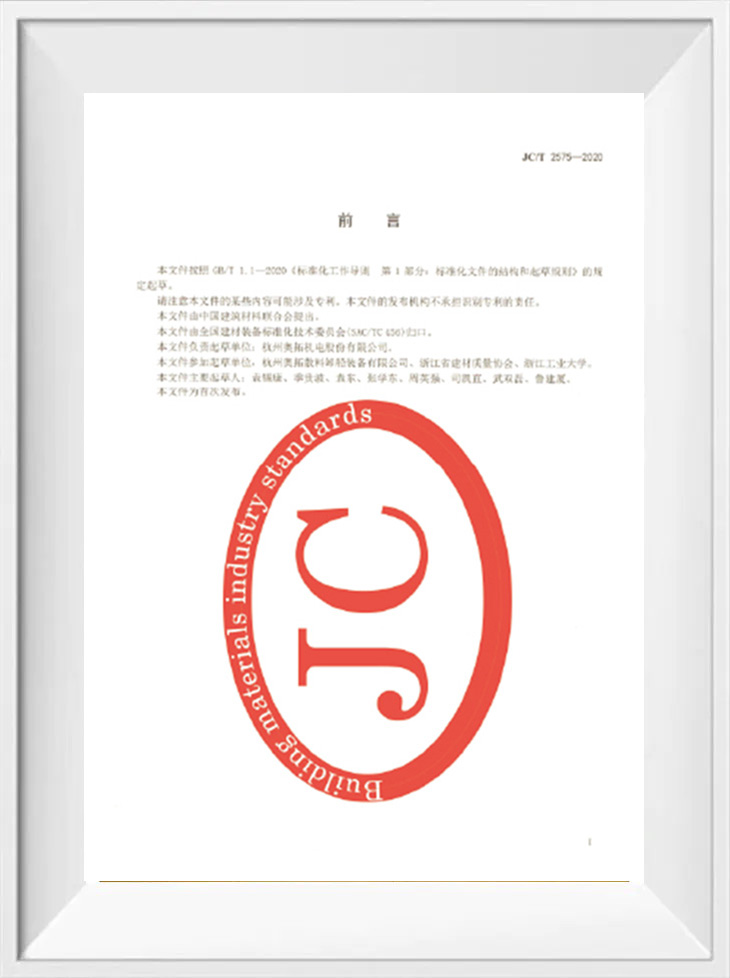
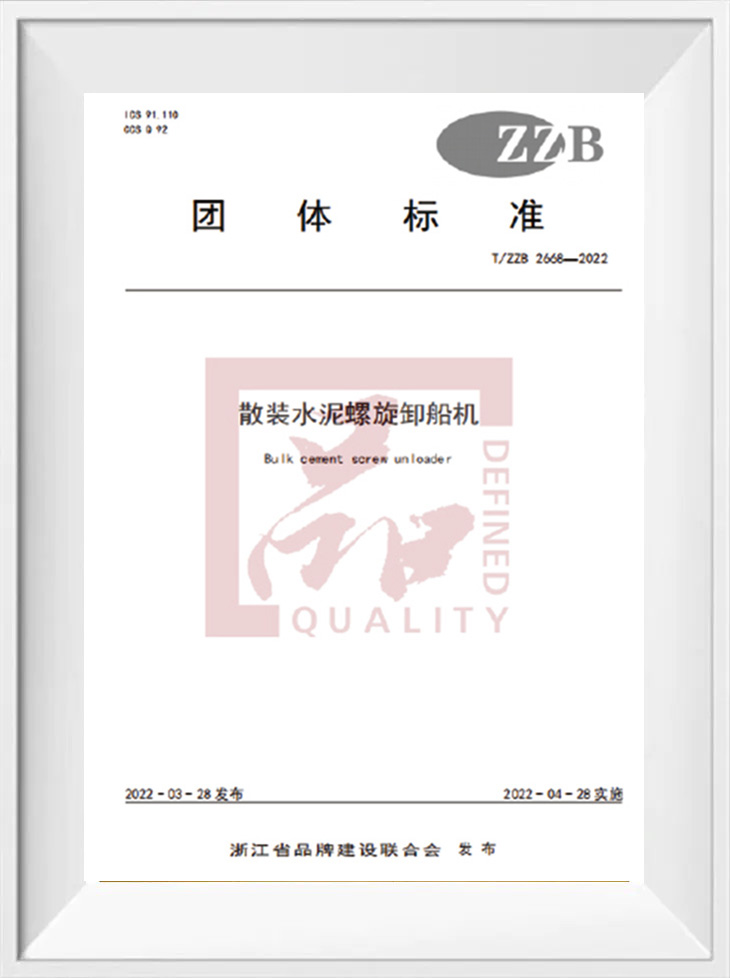
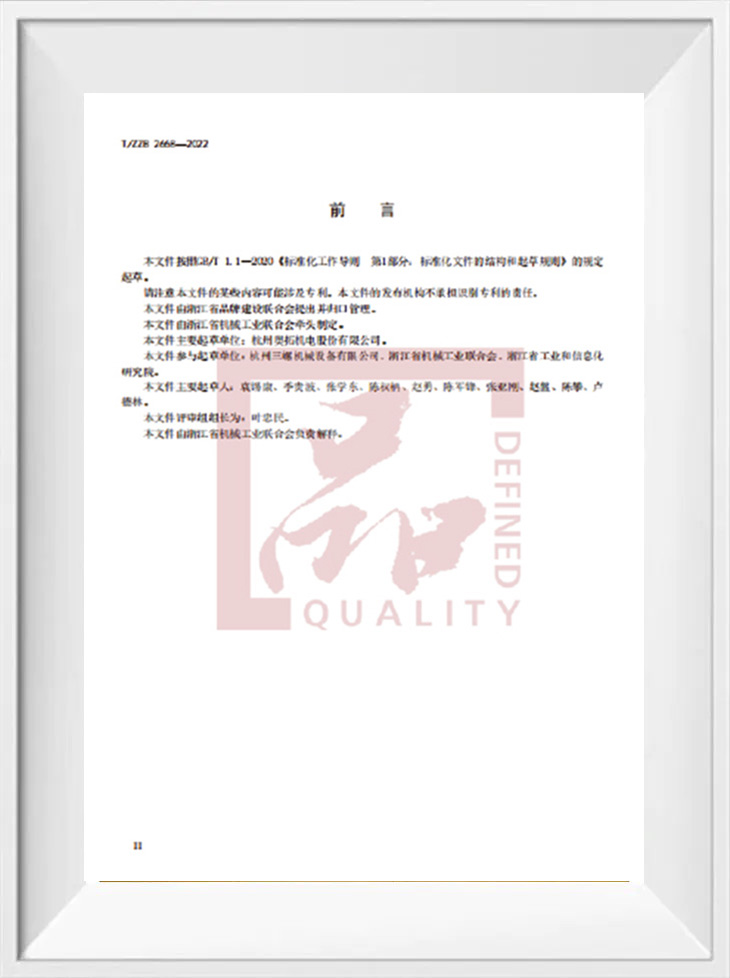
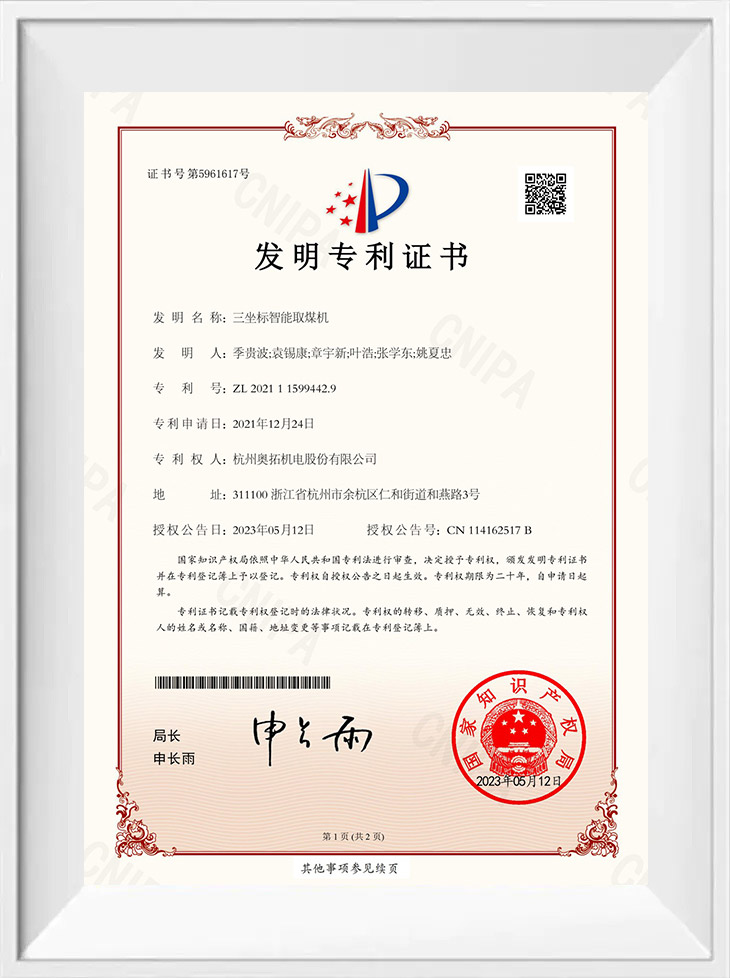
AOTUO operates a 14,000 m² A-level production workshop within a 35,000 m² manufacturing plant, supported by testing equipment and a production team experienced in screw unloader fabrication. The company holds quality management, environmental management and occupational health and safety management system certificates, and is the responsible drafting unit for industry standard JC/T 2575 “Bulk Cement Spiral Unloader”.
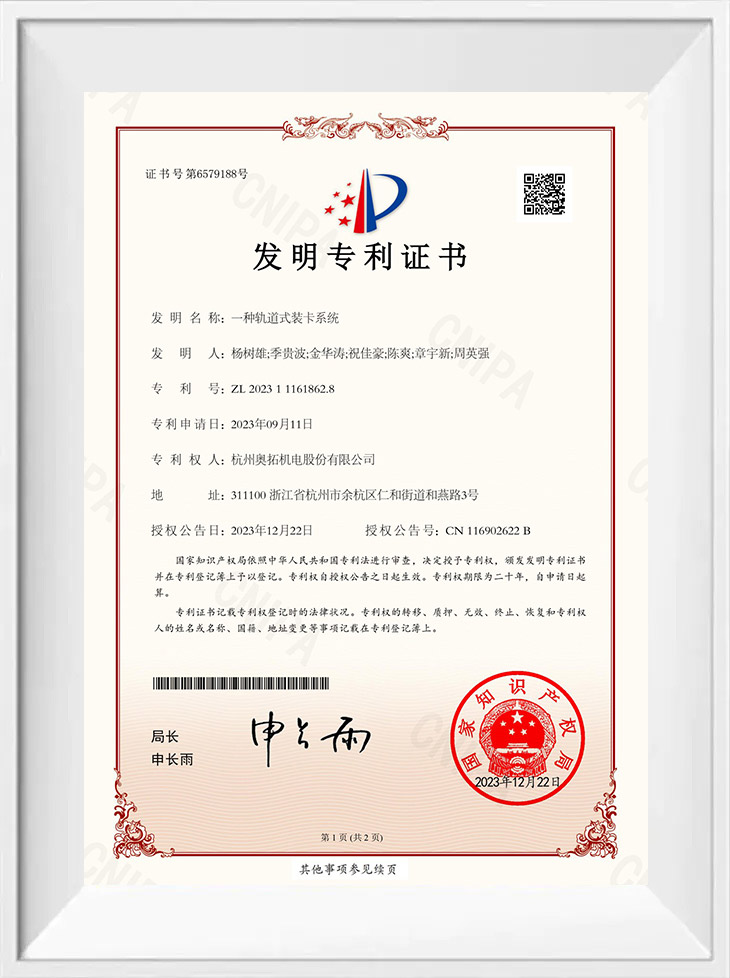
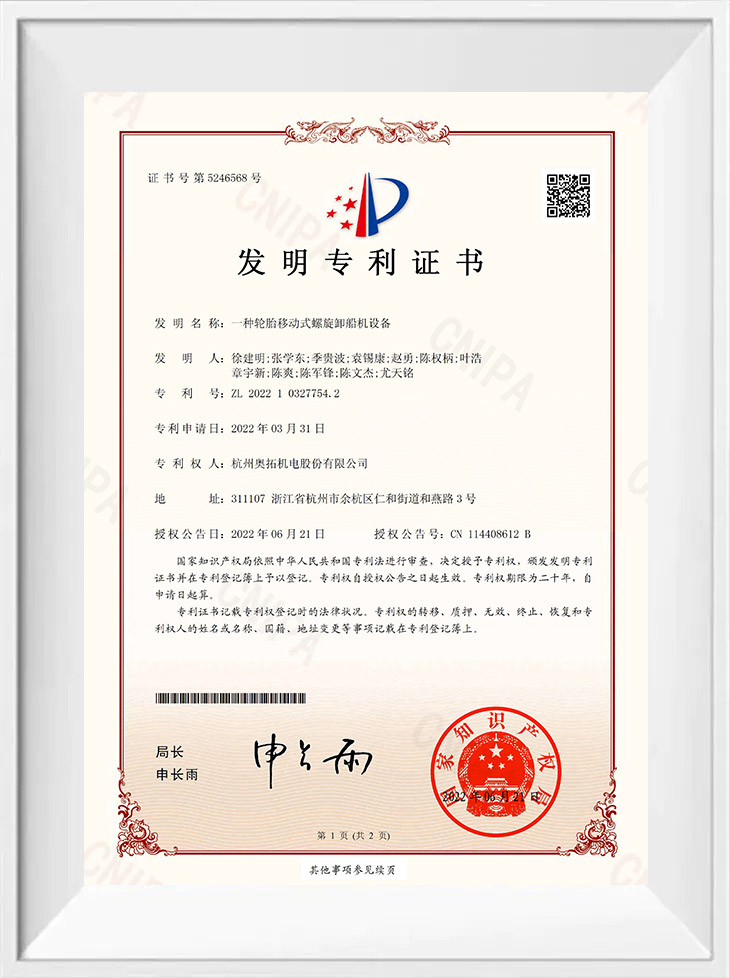
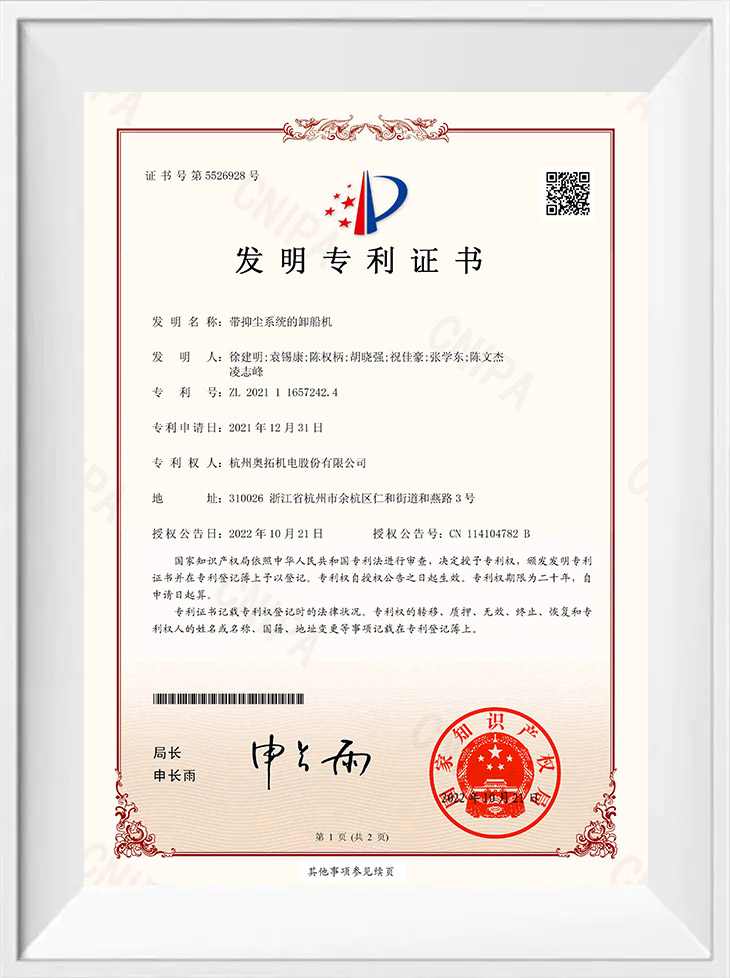
We hold over 100 valid patents and software copyrights and have established a provincial-level research and development center. Our products and services have been exported to Australia, Singapore, the Philippines, Vietnam, Indonesia and Bangladesh.
Routine maintenance follows a defined schedule: weekly tire pressure checks, hydraulic steering inspection every 200 hours, outrigger cylinder seal inspection every 1000 hours, and screw maintenance consistent with standard screw unloader practice. Tire replacement is expected every 2000–3000 operating hours depending on travel frequency.
We support the installed base with spare parts supply, technical guidance and remote fault diagnosis. Our service team provides scheme interpretation, technical disclosure and on-site support as part of project delivery.
Terminals that need a rail-based solution can review the 1000-70000 DWT 200-1500t/h Rail mobile Screw Ship Unloader. For coal and clinker duties, we also manufacture the 500-200000 DWT 200-3000t/h Rail Mobile Screw Coal Ship Unloader and the 500~100000 DWT 300-1500t/h Environmentally Friendly Cement Clinker Ship Unloader.
To prepare a configuration and quotation for the 1000-70000 DWT 200-1500t/h Tire Mobile Screw Ship Unloader manufacturer scope, we work from the following project inputs:
Tire mobility eliminates rail foundation costs and allows the machine to serve any paved area. Relocation between berths takes 15–20 minutes, compared with 5–8 minutes for rail. It suits terminals with two or three berths or irregular vessel schedules.
The 8 pneumatic tires distribute load at approximately 8–10 kg/cm². Hydraulic outriggers engage during unloading and transfer weight directly to the ground, reducing tire load by about 70% in operation.
Maximum operating gradient is 3% during unloading with outriggers engaged and 5% during travel. Gradeability is 8% with reduced load. The auto-leveling system maintains boom level up to 2° tilt.
Tire pressure checks weekly, hydraulic steering inspection every 200 hours, outrigger cylinder seals every 1000 hours. Screw maintenance follows standard practice. Tire replacement is expected every 2000–3000 operating hours depending on travel frequency.
Maximum lump size 60 mm, moisture up to 8% for cement, density 0.8–1.6 t/m³, material temperature up to 80 °C. Capacity is rated on cement at 1.2 t/m³ and varies with material characteristics.
We provide a 32-hour certification program covering tire maneuvering, outrigger deployment, boom control and emergency procedures, with annual refresher training.
Copyright © Hangzhou Aotuo Mechanical and Electrical Co., Ltd. All Rights Reserved.
Custom 1000-70000 DWT 200-1500t/h Tire Mobile Screw Ship Unloader Suppliers