EN
EN English
 中文简体
中文简体 Français
Industry News
Home / News / Industry News / Optimizing Maintenance and Lifecycle Management of Ship Loader and Unloader Systems

Article Directory
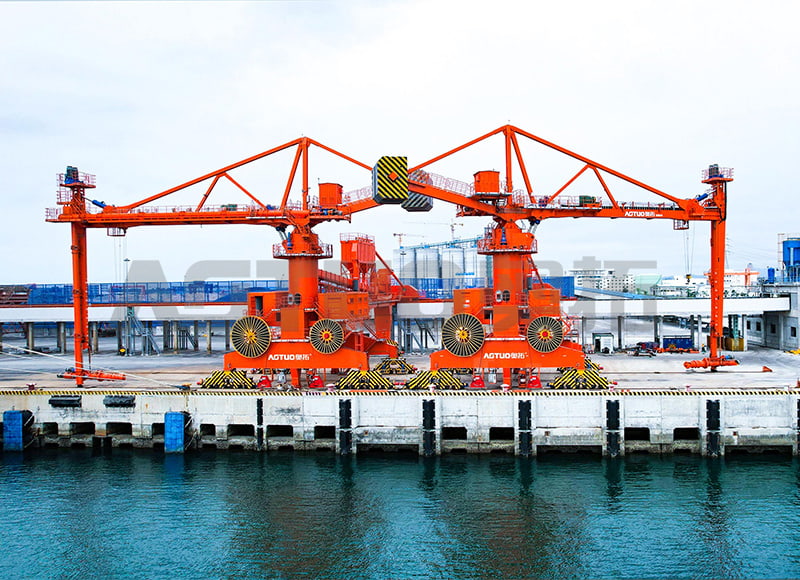
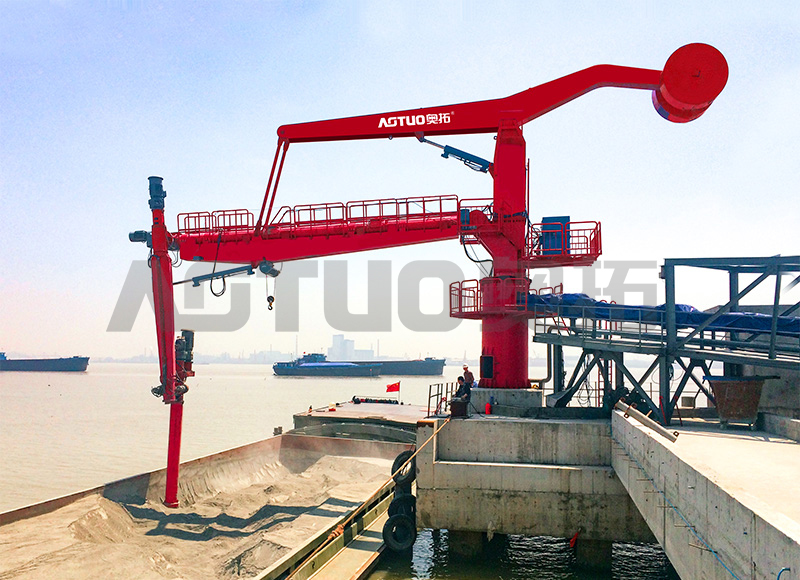
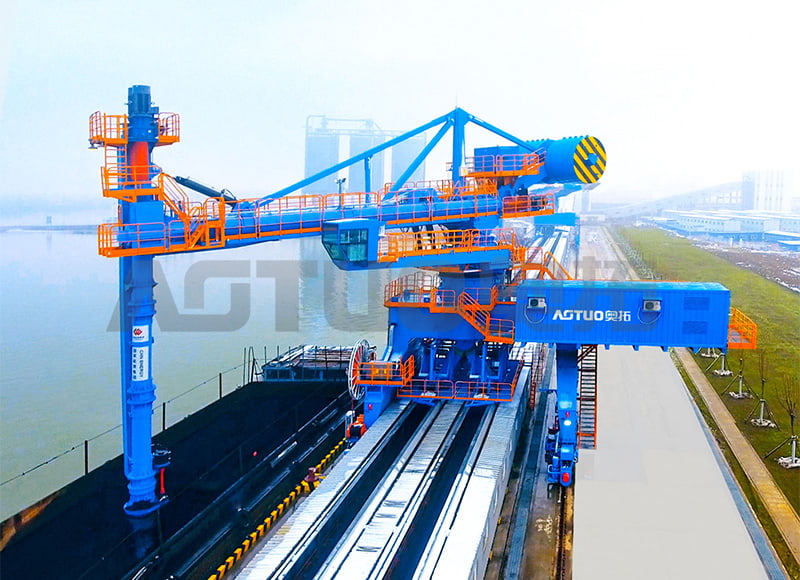
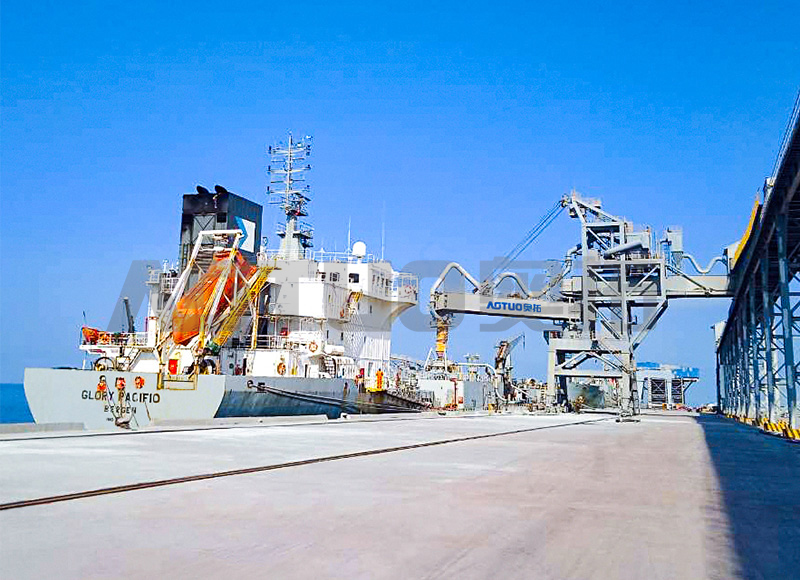
The ship loader and unloader is a critical asset in bulk material handling, including coal, ore, cement, and grain. Ensuring high reliability, long service life, and minimal downtime requires a strategic approach to component maintenance, fault diagnosis, and spare parts management. Leveraging best practices allows ports and terminals to maximize operational efficiency and reduce operational costs.
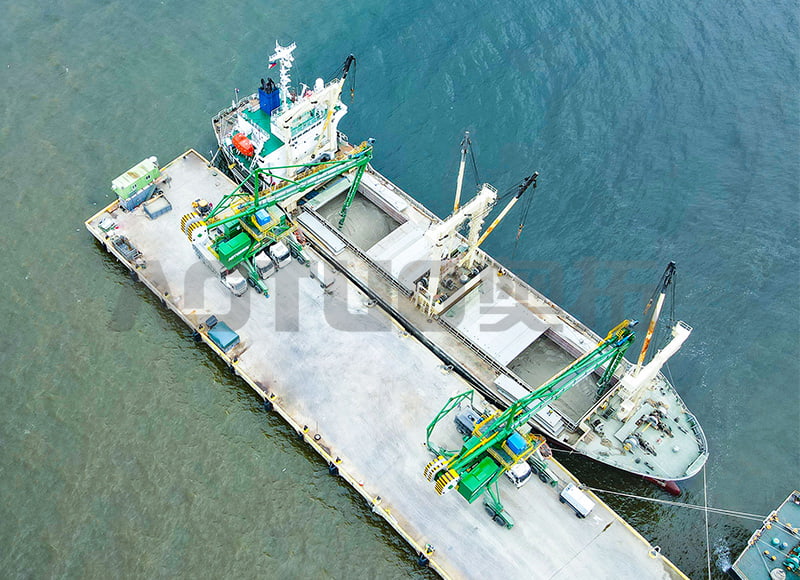
Daily checks of critical components like the boom, belt conveyors, and bucket wheels prevent unexpected failures. A structured bulk material ship loader maintenance routine ensures the detection of wear, misalignment, and lubrication needs before they escalate.
| Component | Without Maintenance | With Preventive Maintenance |
|---|---|---|
| Boom Arm | High risk of structural fatigue | Reduced stress, extended lifespan |
| Belt Conveyor | Frequent slippage and breakdowns | Consistent operation, fewer stoppages |
| Bucket Wheel | Increased wear and downtime | Optimized performance and durability |
Advanced monitoring systems enable real-time fault detection, including vibration analysis, motor temperature monitoring, and belt tension sensors. Using bucket wheel diagnostic methods and predictive analytics minimizes unscheduled stoppages and improves safety.
| Parameter | Traditional Monitoring | Advanced Diagnostic System |
|---|---|---|
| Downtime | High, reactive maintenance | Low, predictive and scheduled |
| Component Life | Shorter due to hidden faults | Extended with early detection |
| Safety Risks | Higher | Reduced through monitoring alerts |
An effective unloader spare parts strategy ensures availability of critical items such as pulleys, rollers, motors, and gearboxes. Maintaining an inventory based on consumption patterns prevents prolonged downtime and supports continuous operation.
Proper handling and maintenance of key components like boom arms and belt conveyors is crucial. Following boom arm maintenance tips and belt conveyor inspection procedures improves operational safety and efficiency.
| Component | Maintenance Approach | Outcome |
|---|---|---|
| Boom Arm | Lubrication, torque check, visual inspection | Reduced stress and fatigue |
| Belt Conveyor | Alignment check, tension adjustment, wear monitoring | Minimized slippage and breakdowns |
| Bucket Wheel | Vibration analysis, wear inspection, lubrication | Extended service life and operational consistency |
Daily inspections combined with weekly and monthly maintenance routines are recommended. Critical components like boom arms, belt conveyors, and bucket wheels should be checked for wear, alignment, and lubrication. This structured bulk material ship loader maintenance approach reduces unscheduled downtime.
An unloader spare parts strategy involves categorizing parts by criticality, tracking consumption patterns, and maintaining safety stock. Automated inventory systems ensure timely replenishment, preventing long stoppages.
Advanced monitoring with vibration analysis, motor temperature tracking, and belt tension sensors helps detect issues early. Using bucket wheel diagnostic methods reduces the risk of catastrophic failure and improves operational efficiency.
Boom arms and belt conveyors need focused care. Following boom arm maintenance tips and belt conveyor inspection procedures ensures proper lubrication, alignment, and tension, extending the service life of these high-stress components.
Properly trained operators can identify early warning signs, follow standardized maintenance protocols, and safely handle emergency situations. This complements automated monitoring and ensures the ship loader and unloader operates efficiently over its expected lifecycle.
It is focused on the overall solution of dry bulk material port transfer system,
research and development, manufacturing, and service
Copyright © Hangzhou Aotuo Mechanical and Electrical Co., Ltd. All Rights Reserved.
Custom Material Conveyor Transfer Systems Manufacturers