EN
EN English
 中文简体
中文简体 Français
Industry News
Home / News / Industry News / Strategic Selection: Matching Ship Loader and Unloader Capacity to Port Operational Requirements

Article Directory
In the highly competitive dry bulk shipping industry, port efficiency is directly correlated with profitability. The choice of a ship loader and unloader system dictates vessel turnaround time, operational costs, and environmental compliance. Selecting equipment that perfectly matches the port's specific needs for rated throughput capacity and vessel size compatibility is paramount for maximizing return on investment (ROI). Hangzhou Aotuo Mechanical and Electrical Co., Ltd. (AOTUO), established in 2003, is a national high-tech enterprise focused on the overall solution for dry bulk material port transfer systems. With 20 years of R&D and manufacturing experience, AOTUO is a recognized pioneer in high-end, efficient, and environmentally friendly port equipment, holding over 100 patents and serving as the responsible drafting unit for the industry standard JC/T 2575 "Bulk Cement Spiral Unloader." Our products, ranging from bulk cement screw unloaders to intelligent control systems, are engineered for global port demands.
The "maximum rated throughput capacity" (measured in metric tons per hour, t/h) is the theoretical handling rate of the ship loader and unloader under ideal, continuous conditions. However, B2B buyers must prioritize the "average practical capacity," which accounts for real-world factors such as material flow interruption, hatch changes, cleaning cycles, and the diminishing efficiency curve as the ship's hold nears empty. For example, high-density materials often reduce the volumetric capacity achieved with lighter materials.
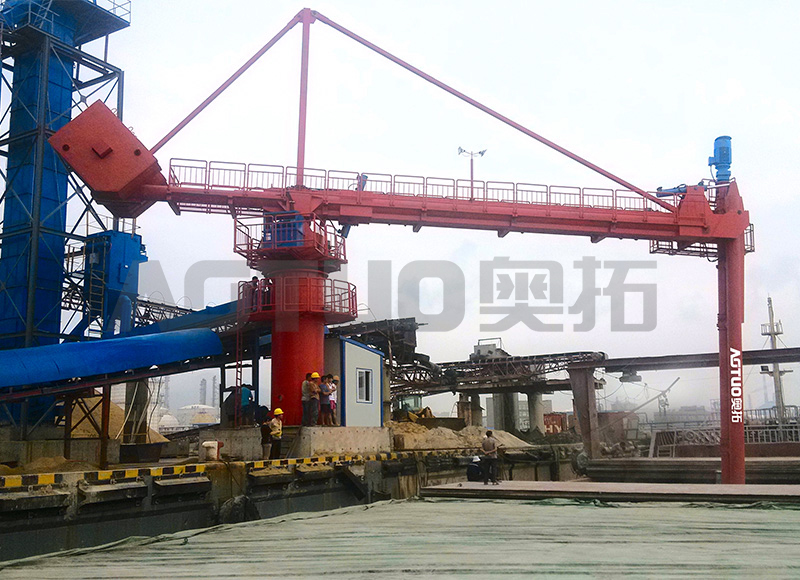
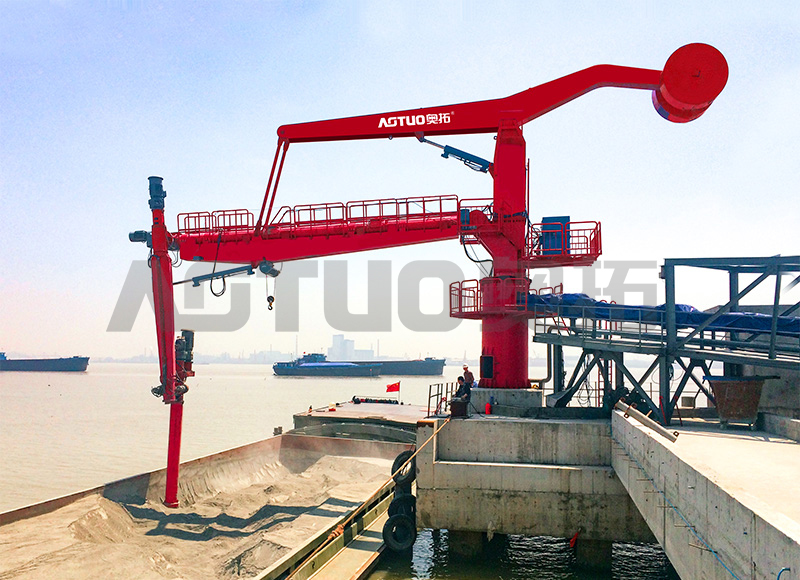
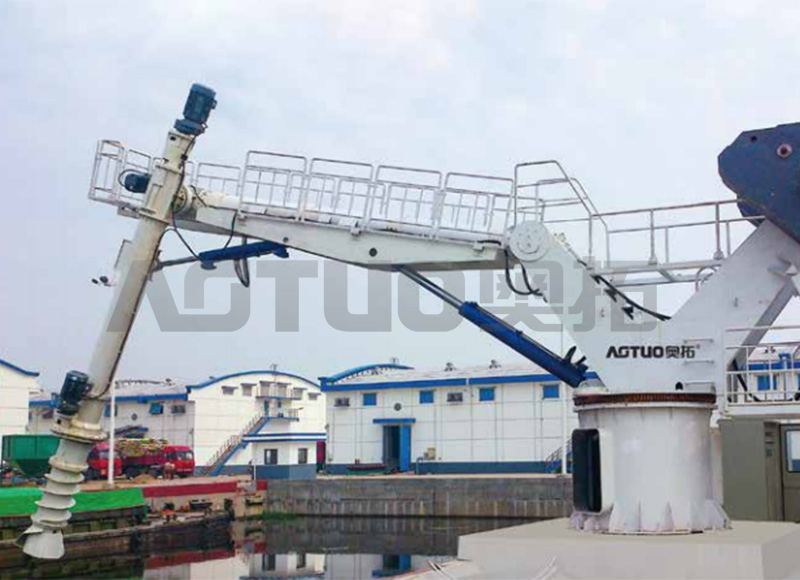
600-15000 DWT 100-500t/h Fixed Screw Ship Unloader
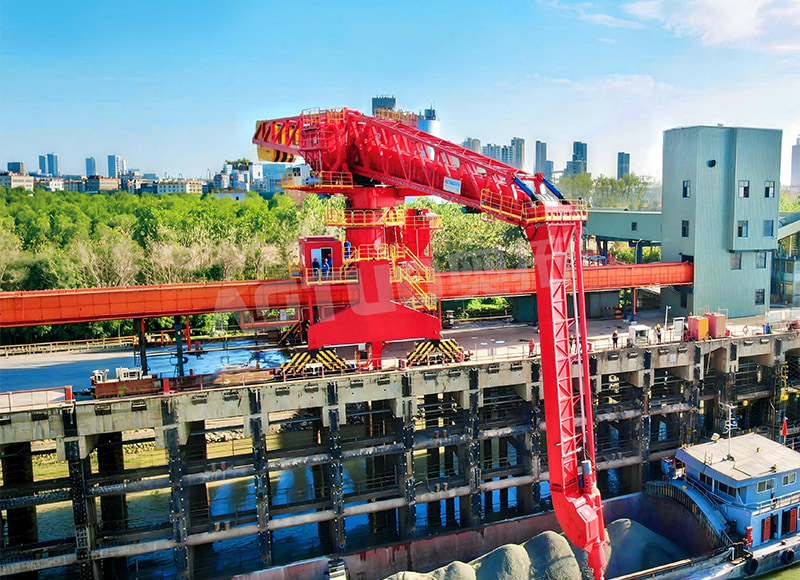
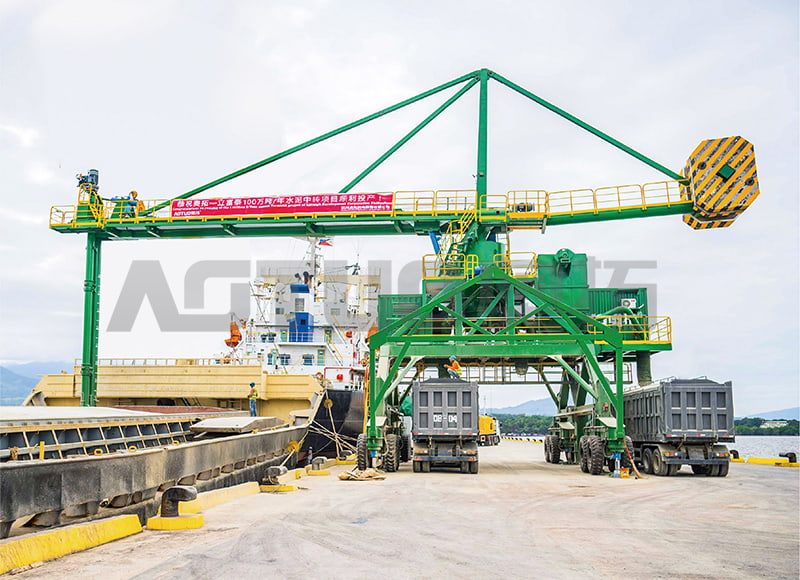
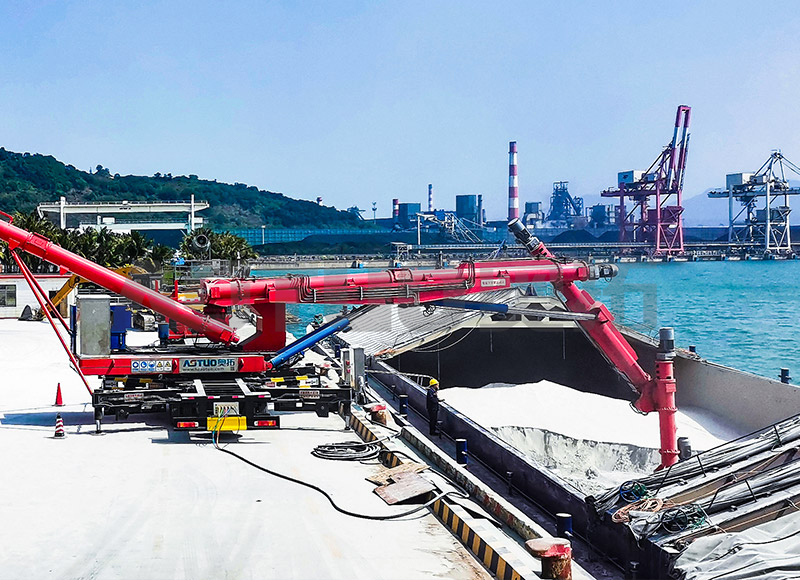
Screw unloaders, particularly those optimized for fine, dusty materials like cement or grain, excel in maintaining a high average practical capacity due to their enclosed and continuous feeding mechanism. AOTUO's specialized screw unloaders can reach unloading capacities up to 3000 t/h, directly resulting in faster vessel turnaround times and reduced demurrage fees. This high throughput is achieved through sophisticated metering control and continuous material flow paths designed for bulk cement screw unloader capacity optimization.
| Capacity Metric | Definition | Impact on Port Operations |
|---|---|---|
| Maximum Rated Throughput (t/h) | The theoretical peak rate under continuous, ideal conditions (e.g., 3000 t/h). | Used for initial sizing; rarely maintained over a full cycle. |
| Average Practical Capacity (t/h) | The actual average rate achieved over the entire unloading process, including downtime. | Directly determines vessel turnaround time and scheduling efficiency. |
The ship loader and unloader must be physically compatible with the target vessel fleet. Ship size is typically measured in Deadweight Tonnage (DWT)—the maximum carrying capacity of the vessel. DWT compatibility is determined by the equipment's outreach, lifting height, and the necessary depth of the unloading head into the hold. Failure to match these geometric constraints can lead to inefficient operation or physical damage to both the vessel and the equipment.
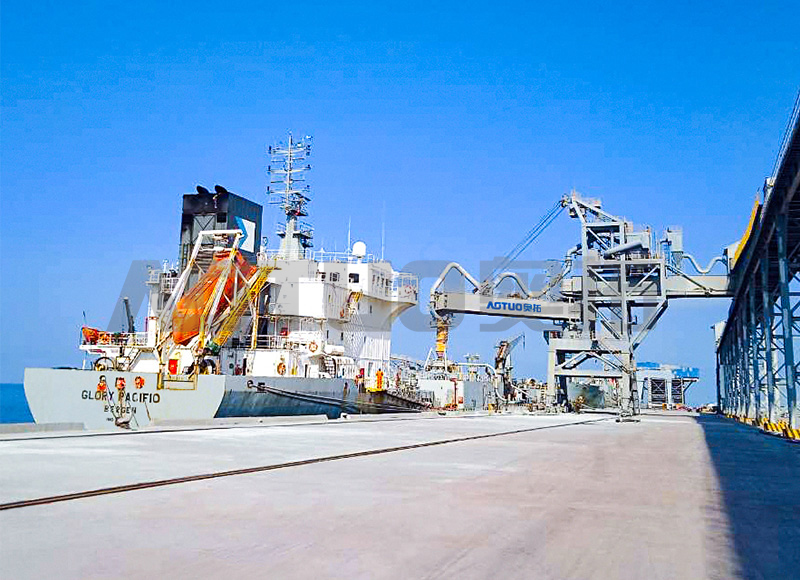
AOTUO's equipment is designed for high-capacity applications, capable of handling large vessels up to 200,000 DWT. This broad high-capacity ship unloader DWT compatibility is achieved by robust structures and advanced boom geometry that accommodate the significant variations in hatch dimensions and water-level changes (draft changes due to unloading, and tidal variations). During unloading, the ship rises significantly, requiring the equipment to maintain continuous access to the bottom of the hold without compromising stability.
Port operators face a fundamental choice between mechanical handling technologies. The comparison of screw unloaders vs grab unloaders highlights trade-offs between flexibility, efficiency, and environmental impact. Grab unloaders (like portal cranes) offer flexibility for various materials, but are inherently intermittent and prone to higher dust emission and material degradation. Screw unloaders, conversely, provide a continuous, enclosed material stream.
Screw unloaders, being entirely enclosed, are far superior in dust suppression, a critical factor for compliance with increasingly strict environmental dry bulk material port transfer system regulations. While grab unloaders boast flexibility, screw unloaders deliver higher continuous efficiency for dedicated bulk materials like cement, coal, or grain, leading to lower operating costs per ton. The operational differences are summarized below:
| Performance Indicator | Screw Unloader (e.g., AOTUO) | Grab Unloader (Crane) | Key Difference |
|---|---|---|---|
| Operational Flow | Continuous, stable flow | Intermittent (cyclic loading) | Screw unloaders achieve higher average tonnage by eliminating empty cycles. |
| Environmental Control | Excellent (fully enclosed system) | Poor (open material exposure, high dust) | Screw technology ensures a clean, compliant environmental dry bulk material port transfer system. |
| Material Damage | Minimal to none | Moderate (can crush friable materials) | Crucial for sensitive cargos like grain or high-grade coal. |
Effective port loading and unloading equipment selection guide involves a four-step process:
A strategically chosen ship loader and unloader is not merely a purchase, but an investment in future port profitability. By meticulously matching the required throughput and vessel compatibility, and leveraging advanced, environmentally compliant solutions like AOTUO's specialized screw unloaders, ports can significantly reduce operational bottlenecks, comply with environmental standards, and sustain competitiveness in the global dry bulk market.
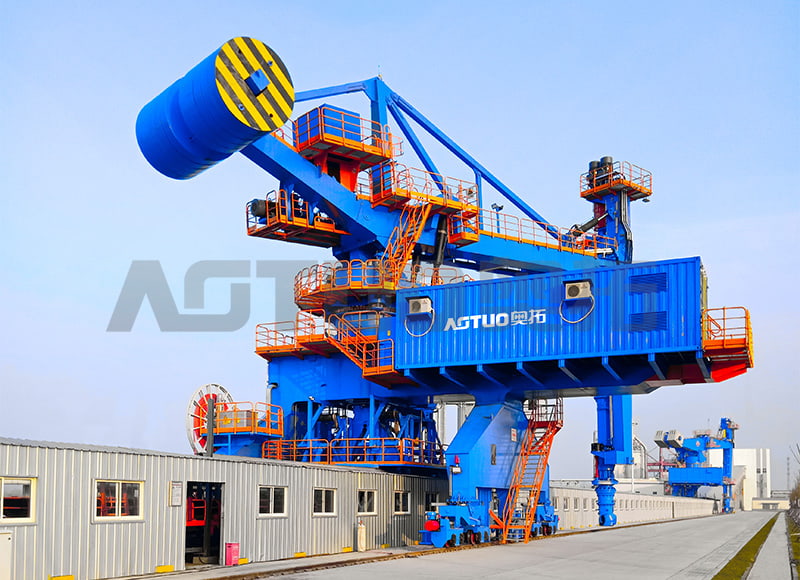
It is focused on the overall solution of dry bulk material port transfer system,
research and development, manufacturing, and service
Copyright © Hangzhou Aotuo Mechanical and Electrical Co., Ltd. All Rights Reserved.
Custom Material Conveyor Transfer Systems Manufacturers