EN
EN English
 中文简体
中文简体 Français
Industry News
Home / News / Industry News / How Can an Automated Grain Ship Loader Reduce Dust Emissions and Meet EPA/EU 2025 Standards?

Article Directory
As global environmental regulations tighten, port authorities and terminal operators are facing unprecedented pressure to mitigate particulate matter (PM10 and PM2.5) during bulk material handling. The upcoming EPA and EU 2025 standards set rigorous benchmarks for air quality, necessitating a shift from traditional gravity-fed systems to advanced automated grain ship loader technology. Hangzhou Aotuo Mechanical and Electrical Co., Ltd. (AOTUO), a national high-tech enterprise established in 2003, specializes in high-end dry bulk port transfer systems. With over 100 patents and 20 years of R&D, AOTUO is a pioneer in the localization of bulk cement screw unloaders and eco-friendly loading solutions. This article explores the engineering innovations that allow a grain ship loader to achieve near-zero dust emissions while maintaining peak operational efficiency.
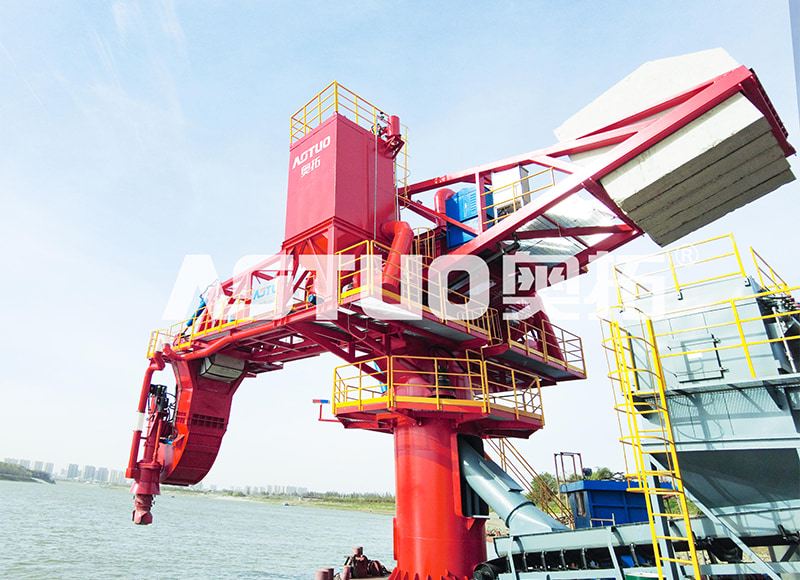
The primary source of dust in grain handling is the "impact effect" caused by the free-fall of grain from height. An automated grain ship loader addresses this through the integration of telescopic loading chutes for grain. These chutes dynamically adjust their length based on the level of the grain pile inside the ship's hold, minimizing the drop distance. While open-chute systems allow dust to escape into the atmosphere, dust suppression systems for ship loaders utilize specialized skirts that create a physical seal against the grain pile. Furthermore, the benefits of automated grain loading include the ability to maintain a constant "material column," which significantly reduces air displacement within the chute. Comparing open vs enclosed grain loading chutes, the enclosed telescopic design reduces visible dust emissions by up to 95%.
| Parameter | Traditional Open Chute | Automated Telescopic Chute |
| Dust Concentration (PM10) | >50 mg/m³ | <5 mg/m³ |
| Material Degradation | High (Impact breakage) | Low (Controlled flow) |
| Compliance Level | Fails 2025 Standards | Meets EPA/EU 2025 Standards |
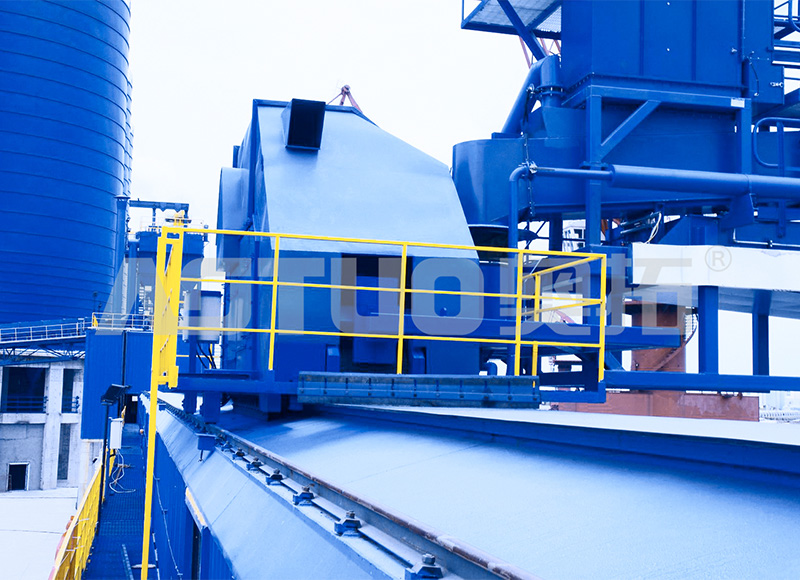
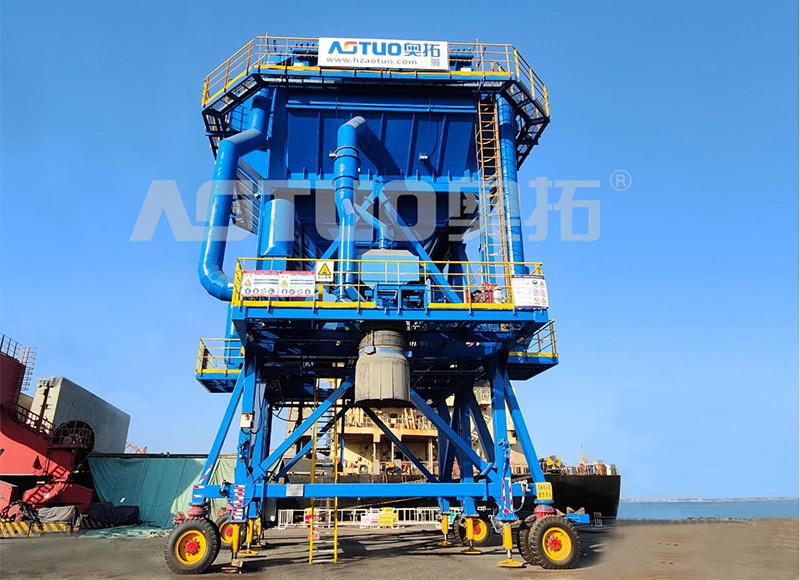
To meet the 2025 environmental benchmarks, the hardware must be managed by a sophisticated grain ship loader intelligent control system. This system integrates laser sensors and ultrasonic level detectors to monitor the cargo space in real-time. By utilizing industrial automation in port equipment, the loader can automatically adjust the slewing and luffing angles to prevent "over-filling" and subsequent dust plumes. Additionally, the ship loader dust collector integration allows for a localized vacuum effect at the transfer points, capturing fine particles before they exit the system. This level of grain ship loader energy efficiency and environmental control is a core feature of AOTUO's high-end equipment for dry bulk material port loading.
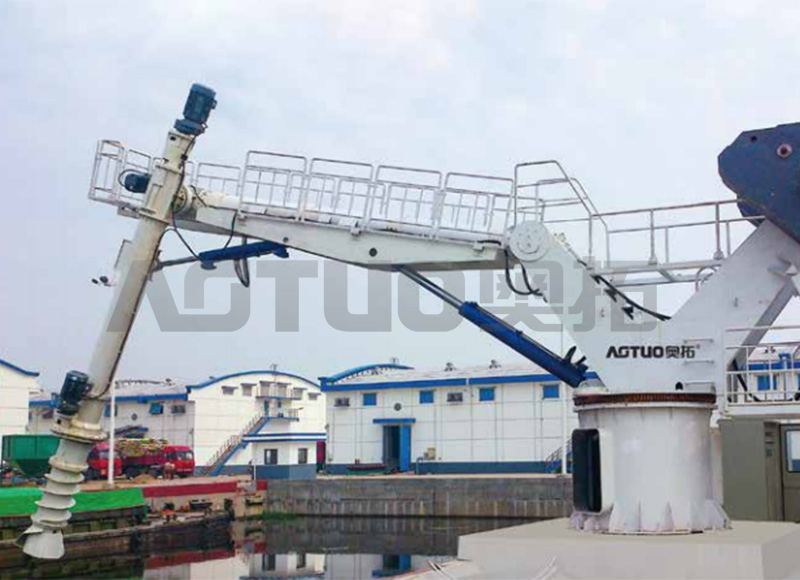
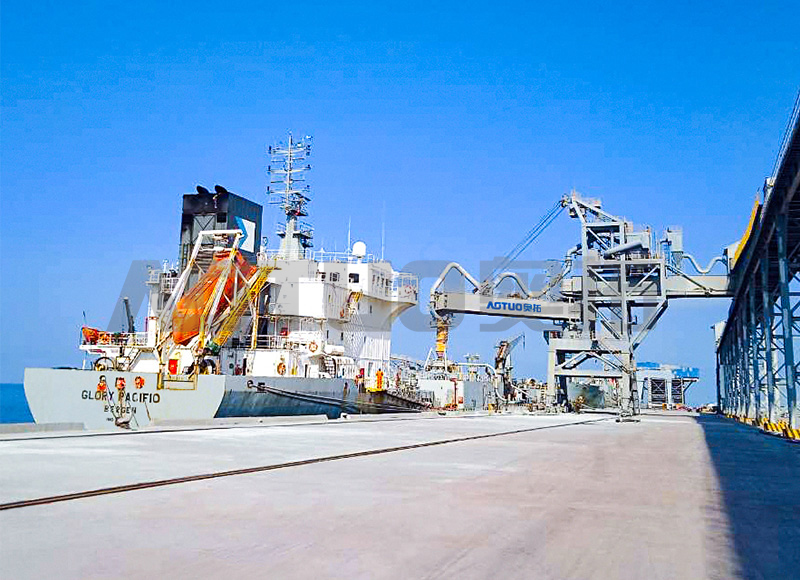
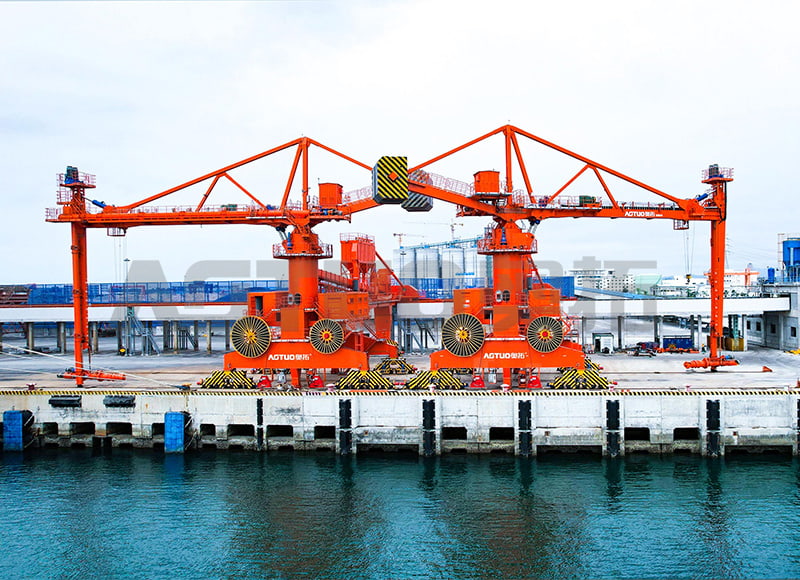
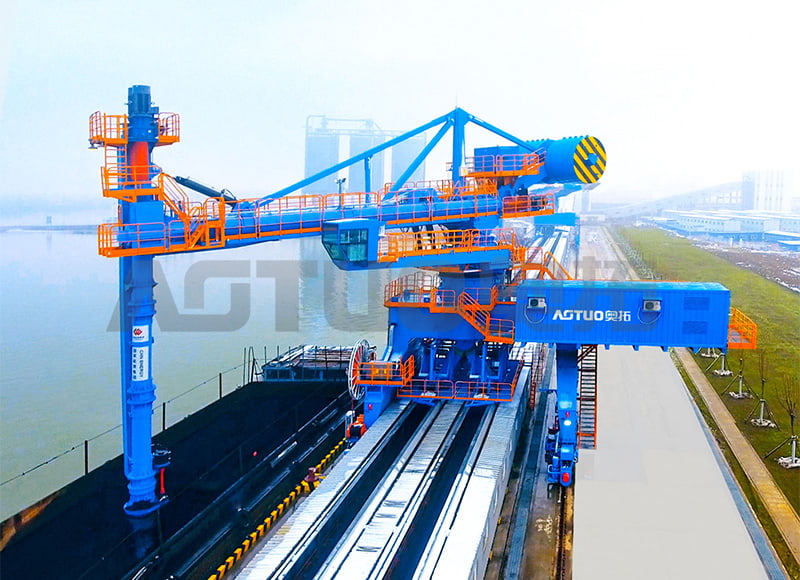
The 2025 standards specifically target "fugitive emissions" that occur during bulk transfer. Modern environmental friendly ship loading equipment must now feature 100% sealed conveying paths. When comparing screw vs belt conveyor ship loaders, screw systems (such as AOTUO's screw unloaders and transfer station series) offer inherently superior dust containment because the material is fully enclosed within a steel pipe. For terminal operators, the grain ship loader maintenance for dust control focuses on the integrity of the seals and the efficiency of the jet-pulse cleaning systems in the dust collectors. AOTUO's automated ship loading system is designed to handle ship types up to 200,000 DWT, ensuring that even the largest vessels can be loaded in compliance with international green port initiatives.
| Regulatory Standard | Traditional Requirement | EPA/EU 2025 Standard |
| Fugitive Emission Limit | Visual assessment (Opacity) | Quantitative PM sensor data |
| Acoustic Pollution | >85 dB(A) at 10m | <75 dB(A) (Noise attenuation required) |
| Operational Safety | Manual monitoring | Automated anti-collision & dust alerts |
The transition to an automated grain ship loader is no longer just a productivity choice—it is a regulatory necessity. By combining telescopic loading chutes for grain with industrial automation in port equipment, operators can significantly reduce their environmental impact. AOTUO remains committed to providing overall solutions for dry bulk material port transfer, leveraging our 20 years of experience to deliver equipment that is both highly efficient and environmentally sustainable. As the drafting unit for industry standards, we ensure that our technology remains at the forefront of the global push for cleaner, smarter ports.
Our loading and unloading capacity can reach up to 3000t/h, supporting large-scale operations for vessels up to 200,000 DWT.
They maintain a sealed path from the conveyor to the hold and minimize the "free-fall" distance, which prevents the grain from splashing and creating air-borne dust.
Screw unloaders, such as those AOTUO pioneered in China, are generally more energy-efficient and offer higher containment levels for dry bulk materials compared to pneumatic systems.
These standards focus on the reduction of Particulate Matter (PM) and noise. Loaders must now demonstrate dust suppression systems for ship loaders that keep fugitive dust below specified mg/m³ thresholds.
Yes, AOTUO offers industrial automation in port equipment upgrades that can be integrated into existing loaders to enhance their environmental compliance and operational precision.
It is focused on the overall solution of dry bulk material port transfer system,
research and development, manufacturing, and service
Copyright © Hangzhou Aotuo Mechanical and Electrical Co., Ltd. All Rights Reserved.
Custom Material Conveyor Transfer Systems Manufacturers