Article Directory
A travelling ship loader can cut vessel turnaround time by 30-40% compared with fixed loading systems, simply by moving material to the ship instead of forcing the ship to reposition itself. For bulk terminals handling ore, coal, grain, or cement, that difference in dwell time translates directly into lower demurrage costs and higher annual throughput.
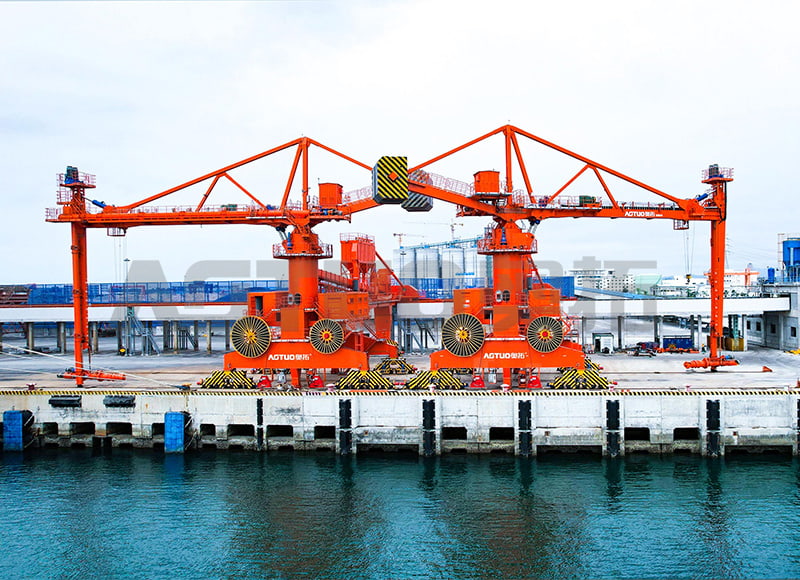
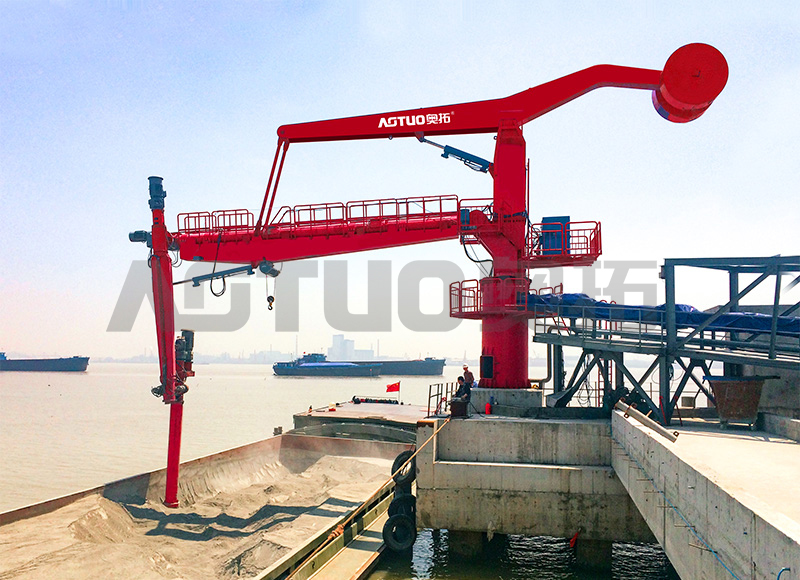
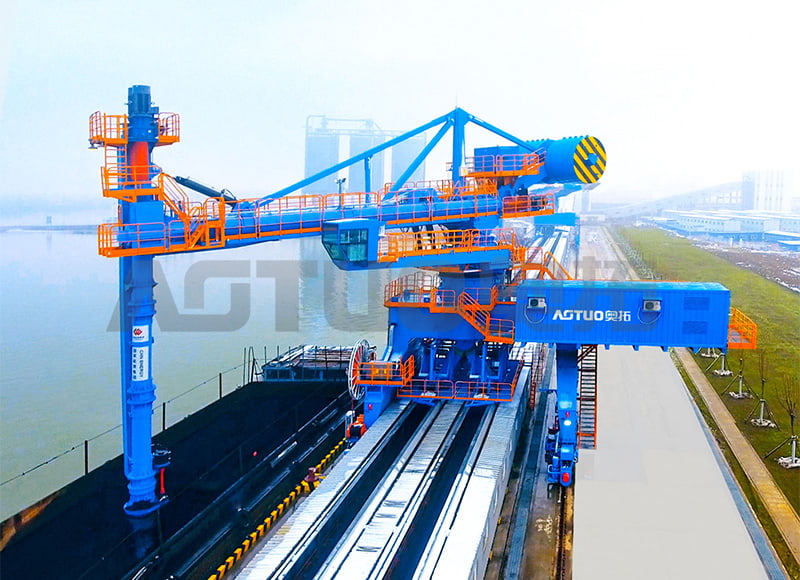
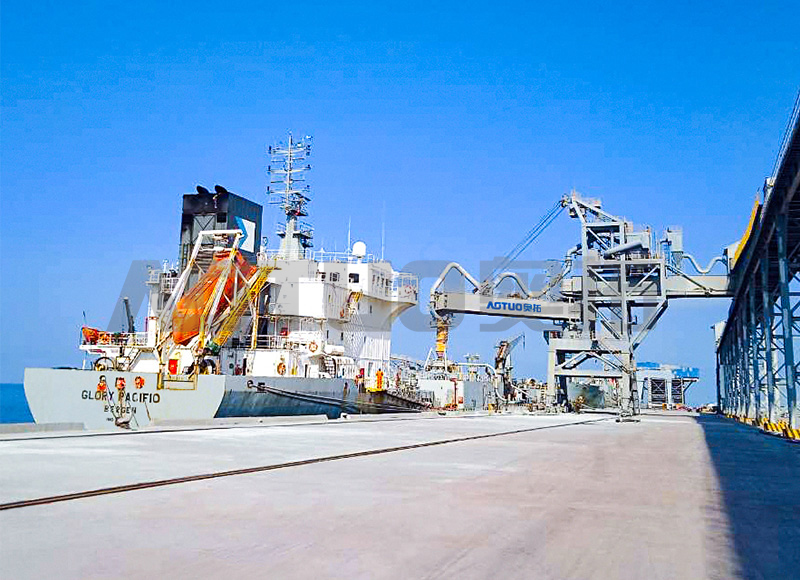
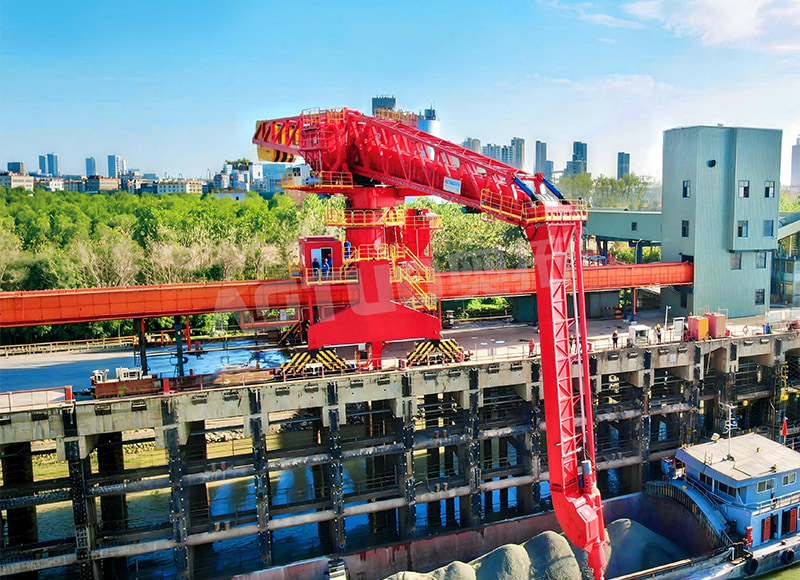
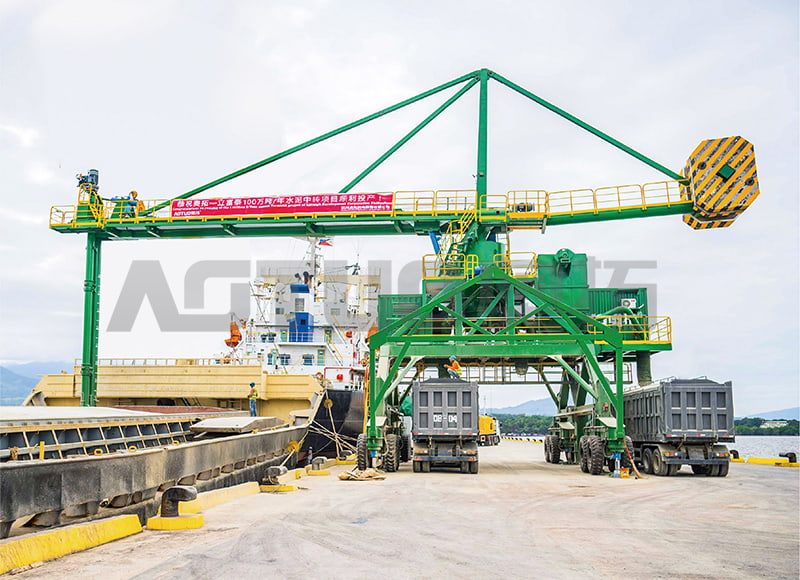
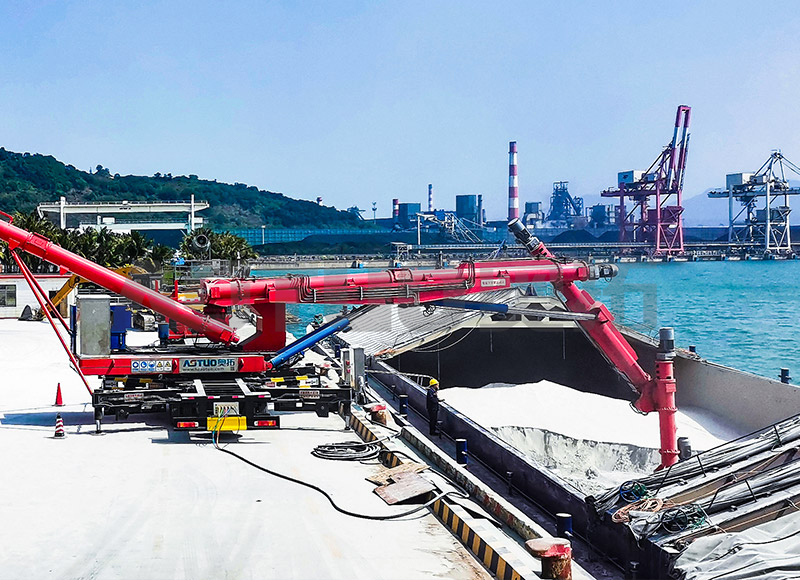
A travelling ship loader is a rail-mounted or wheel-mounted bulk handling machine that moves along the length of a berth, loading a vessel's holds sequentially without requiring the ship to shift position. Material is carried by an internal conveyor system from the stockyard, through the boom, and into the hold at a controlled trajectory.
Definition: a travelling ship loader combines a mobile gantry, a slewing and luffing boom, and a high-capacity belt conveyor to distribute bulk cargo evenly across a vessel's hold without repositioning the ship.
Unlike a fixed loader bolted to one point on the quay, the travelling ship loader travels on rails parallel to the berth, reaching every hatch on vessels ranging from Handysize to Capesize bulk carriers.
Four design features consistently separate a high-performing travelling ship loader from a basic conveyor arrangement:
Terminal operators weighing a travelling ship loader against a fixed installation are really weighing flexibility against upfront simplicity.
For terminals moving over 2 million tonnes annually, the reduced repositioning time of a travelling system typically pays back the added capital cost within two to four shipping seasons.
Because the boom, conveyor speed, and dust control can all be tuned to the material, the same base travelling ship loader platform serves several distinct bulk sectors.
| Industry | Typical Cargo | Key Requirement |
| Mining and minerals | Iron ore, bauxite, copper concentrate | High wear resistance, high capacity |
| Coal and energy | Thermal and coking coal | Dust suppression, spontaneous heating control |
| Grain and agriculture | Wheat, soybeans, corn | Gentle handling, contamination control |
| Cement and construction | Bulk cement, clinker, aggregates | Fully enclosed conveyor, dust containment |
Choosing a travelling ship loader comes down to matching the machine to berth conditions and cargo profile.
Particle size, moisture content, and abrasiveness determine belt speed, chute design, and dust control needs.
Match rated capacity in tonnes per hour to annual volume and target vessel turnaround time.
Travel range must cover every hatch position on the largest vessel class calling at the terminal.
PLC-controlled hold-filling and remote monitoring reduce labor cost and loading errors over the equipment's service life.
Terminals typically report 30-40% shorter vessel turnaround, since the machine reaches every hatch without the ship shifting berth position.
Most industrial units are rated between 1,000 and 6,000 tonnes per hour, depending on conveyor width, belt speed, and material density.
Yes, with the appropriate chute, dust suppression, and belt configuration, the same platform can switch between ore, coal, grain, and cement operations.
Rail travel range and boom reach are sized during design to cover everything from Handysize bulk carriers up to Capesize vessels at the same berth.
It is focused on the overall solution of dry bulk material port transfer system,
research and development, manufacturing, and service
Copyright © Hangzhou Aotuo Mechanical and Electrical Co., Ltd. All Rights Reserved.
Custom Material Conveyor Transfer Systems Manufacturers