Article Directory
Bulk terminals live or die on how fast a vessel can be loaded and released back to sea. A Travelling Ship Loader is built precisely for that pressure — a mobile, high-capacity machine that moves along the berth to keep material flowing into every hold. This guide covers how travelling ship loaders work, their core advantages, main components, and how to select the right system for a bulk handling project.
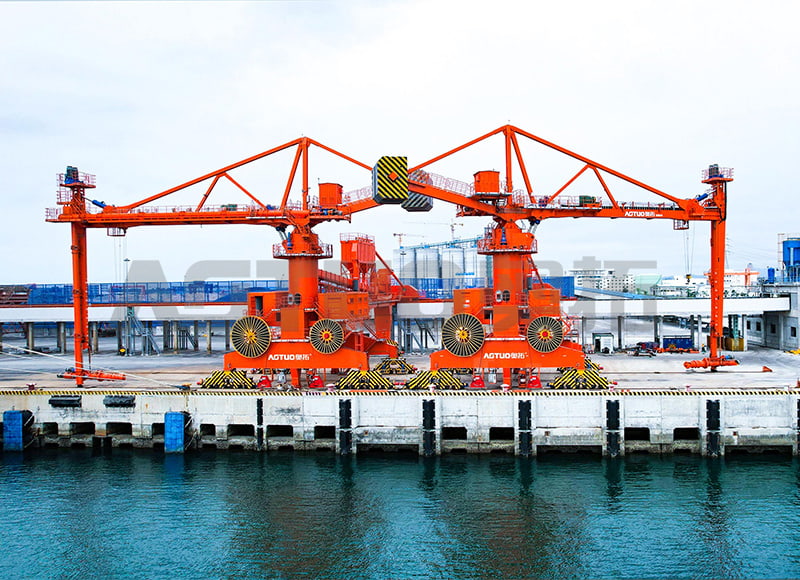
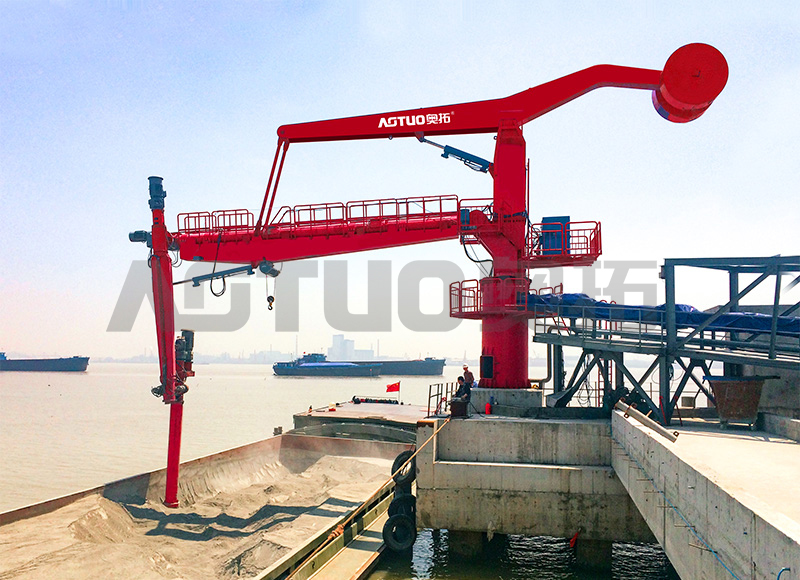
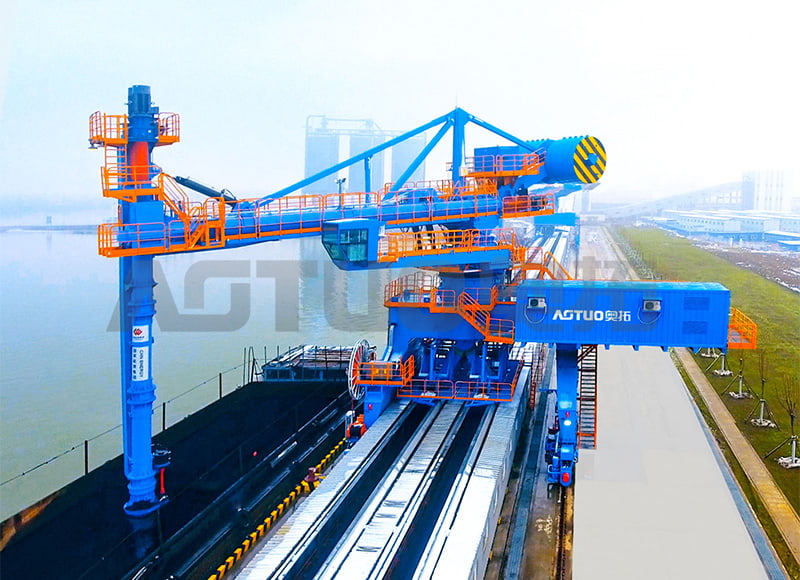
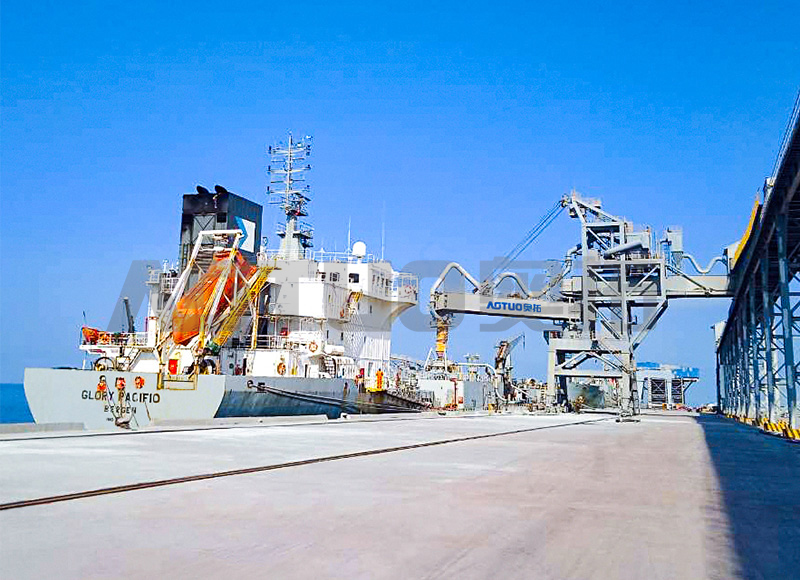
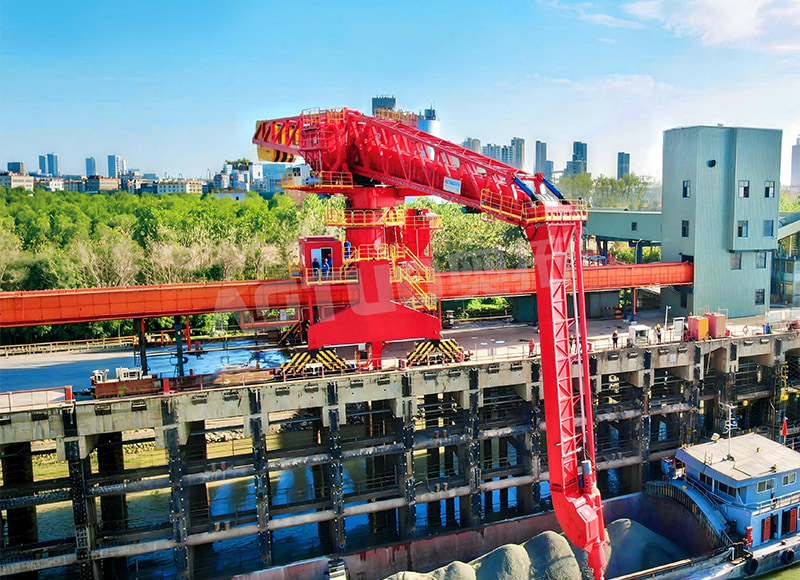
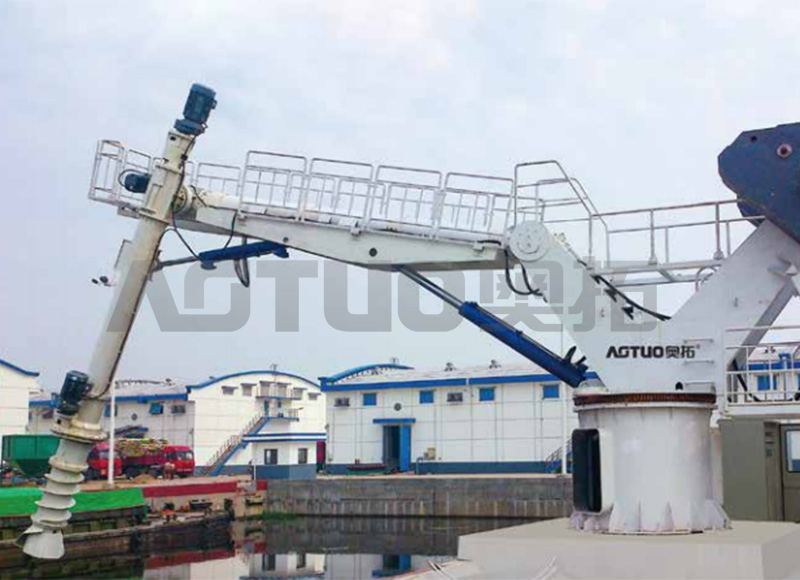
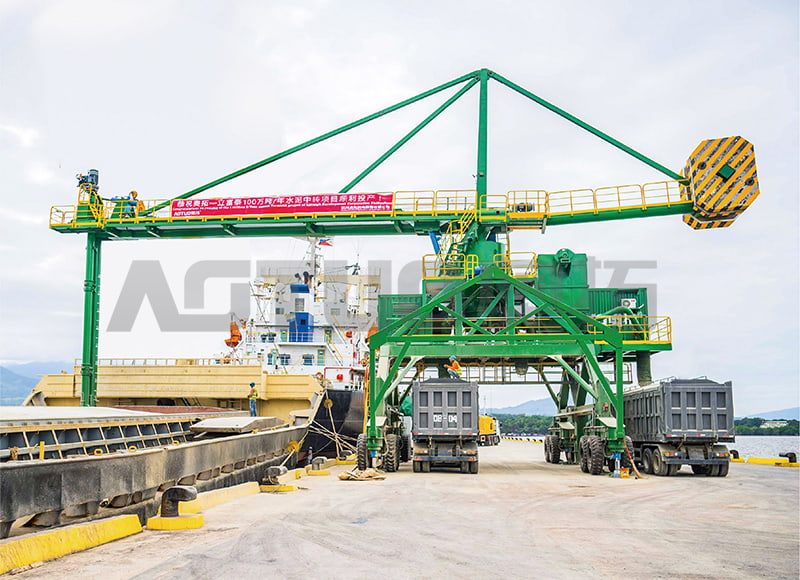
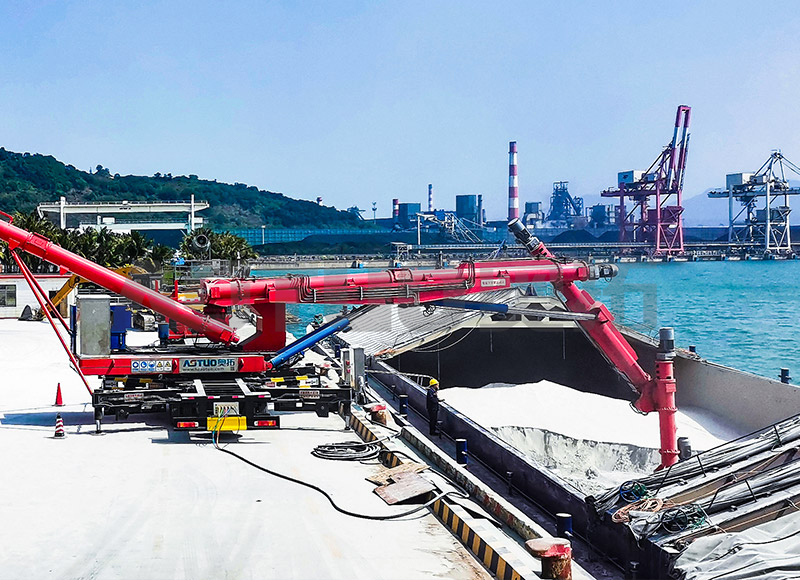
A travelling ship loader is a large-scale bulk material handling machine designed to load materials such as minerals, coal, grain, and other dry bulk cargo into vessels. Unlike fixed ship loaders, a travelling ship loader moves along rails or a designated travel path to serve different loading positions, integrating conveyor systems, boom structures, drive mechanisms, and control systems into a single loading solution.
The operating sequence is straightforward but tightly coordinated: bulk materials are transported through conveyor systems, delivered to the ship loader, and moved through the loading boom into the ship's holds, while the travelling mechanism repositions the loader for efficient, even distribution across the vessel. The combined result is improved loading efficiency, greater operational flexibility, and support for genuinely large-scale cargo handling.
Global trade growth keeps raising demand for efficient bulk cargo transportation, and ports and terminals need faster loading solutions to cut vessel waiting time. Mining, agriculture, and energy industries all depend on reliable material handling systems to keep export volumes moving on schedule. Travelling ship loaders answer that pressure with higher loading capacity, improved operational flexibility, reduced manual operation, and measurably better terminal productivity.
Continuous material transfer supports high-volume cargo operations and cuts ship loading time.
Adjustable loading positions cover different areas along the berth, improving vessel loading efficiency.
Helps distribute materials evenly inside ship holds, reducing operational difficulties.
Higher automation levels improve workplace efficiency and reduce manual load.
| Sector | Typical Materials | Key Advantage |
| Mining and Mineral Terminals | Iron ore, coal, copper concentrate, other bulk minerals | Handles large volumes, supports continuous export |
| Grain and Agricultural Terminals | Wheat, corn, agricultural bulk products | Efficient loading for large storage facilities |
| Cement and Construction Materials | Cement, clinker, limestone | Reliable transportation and loading process |
| Energy and Industrial Materials | Coal terminals, industrial raw materials | Stable bulk handling performance |
Transports bulk materials and ensures continuous feeding into the loading boom.
Transfers materials into vessel holds and adjusts loading position as needed.
Enables movement along rails, improving overall operational flexibility.
Manages operation and improves the level of achievable automation.
Provides stability and withstands sustained heavy-duty operation.
| Factor | Travelling Ship Loader | Fixed Ship Loader |
| Mobility | High mobility | Fixed position |
| Flexibility | Suitable for multiple loading positions | Designed for specific locations |
| Application | Multi-purpose terminals | Dedicated terminals |
| Operation | Adjustable loading range | Stable fixed operation |
The general guidance is straightforward: choose travelling ship loaders for flexible terminal operations, and choose fixed systems for dedicated, high-volume loading points where the vessel position rarely changes.
Regular checks on conveyor belts, rollers, and drive systems catch issues early.
Steel structure and corrosion protection need ongoing attention in coastal conditions.
Control panels, sensors, and automation systems require scheduled verification.
Regular testing prevents unexpected downtime and maintains operational efficiency.
Five developments are shaping the next generation of loading equipment: increased automation across loading operations, smart monitoring systems that track performance in real time, energy-efficient operation designed to reduce running costs, improved loading accuracy, and deeper integration with digital port management systems that coordinate loaders across an entire terminal.
It loads dry bulk cargo such as minerals, coal, and grain into vessels while moving along the berth to serve multiple loading positions.
By enabling continuous material transfer, faster vessel turnaround, and better use of terminal space and automation.
Minerals, coal, grain, cement, clinker, limestone, and other dry bulk materials across multiple industries.
A travelling ship loader moves along rails to serve multiple positions, while a fixed loader operates from one dedicated location.
Through regular conveyor inspection, structural maintenance, electrical system checks, and ongoing performance testing.
Match material characteristics, required loading capacity, working environment, automation needs, and equipment reliability to the project.
It is focused on the overall solution of dry bulk material port transfer system,
research and development, manufacturing, and service
Copyright © Hangzhou Aotuo Mechanical and Electrical Co., Ltd. All Rights Reserved.
Custom Material Conveyor Transfer Systems Manufacturers