EN
EN English
 中文简体
中文简体 Français
Industry News
Home / News / Industry News / How the 2026 International Grain Code Amendments Impact Your Choice of Grain Ship Loader

Article Directory
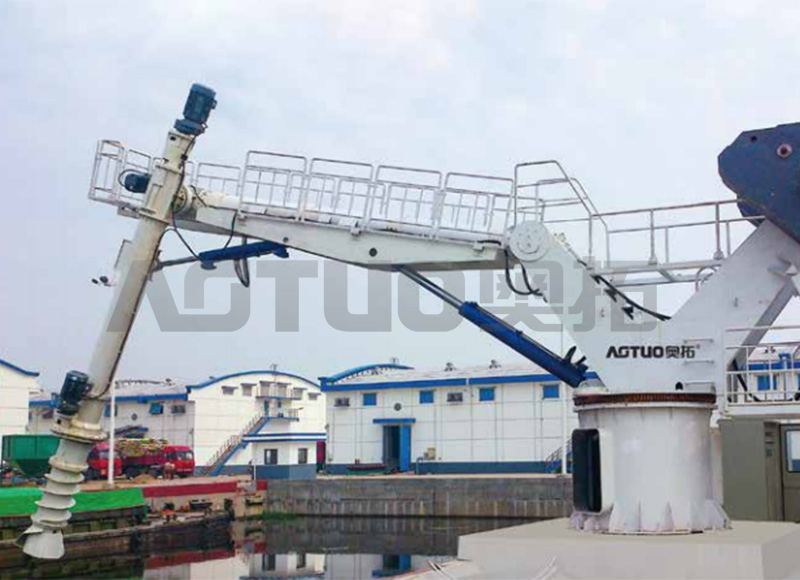
As we enter 2026, the maritime and port logistics industry faces a pivotal shift with the latest amendments to the International Code for the Safe Carriage of Grain in Bulk (International Grain Code). These regulations prioritize vessel stability and the mitigation of dust explosion risks, directly influencing the technical requirements for port infrastructure. For port authorities and terminal operators, selecting a grain ship loader is no longer just about throughput; it is about regulatory compliance and structural safety. Hangzhou Aotuo Mechanical and Electrical Co., Ltd. (AOTUO), a national high-tech enterprise with over 20 years of R&D experience, specializes in high-end dry bulk transfer systems. Our expertise in high capacity telescopic grain ship loader design ensures that your terminal meets these evolving international standards while maintaining maximum efficiency.
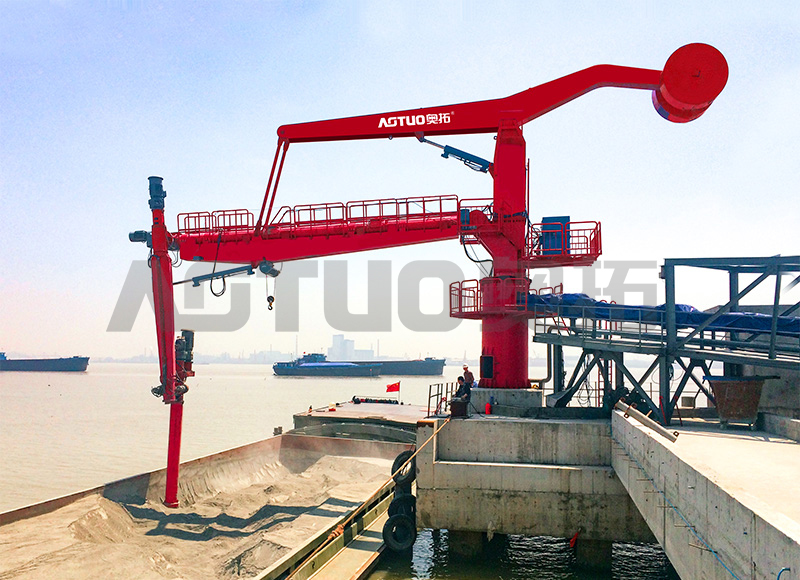
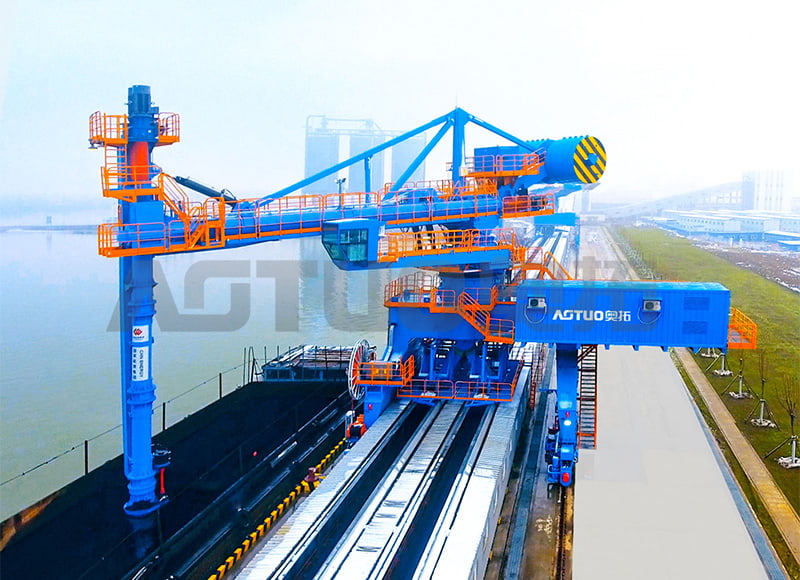
The 2026 amendments place a renewed focus on "leveling the grain surface" to prevent shifting during transit. Traditional loading methods often result in peaked grain piles, which can compromise the ship's metacentric height. Consequently, the demand for a mobile grain loader for Panamax vessels has surged, as these units offer the flexibility needed for precise trimming in larger holds. According to the 2025 Maritime Safety Committee (MSC) report by the International Maritime Organization (IMO), improper trimming remains a leading cause of stability loss in bulk carriers, prompting the new requirement for automated trimming verification systems on all new loading installations.
Source: International Maritime Organization - Maritime Safety Committee Circular 2025
While manual spout positioning was acceptable in the past, the new code effectively mandates high-precision distribution to ensure the grain surface is level within specific angular tolerances.
| Feature | Traditional Fixed Spout Loader | High Capacity Telescopic Grain Ship Loader |
| Trimming Precision | Limited (Requires vessel warping) | High (360-degree rotation & extension) |
| Code Compliance | Risk of non-level cargo surfaces | Meets 2026 "Level-Fill" requirements |
| Labor Intensity | High (Manual intervention needed) | Low (Automated intelligent control) |
| Loading Speed | Interrupted by repositioning | Continuous and efficient |
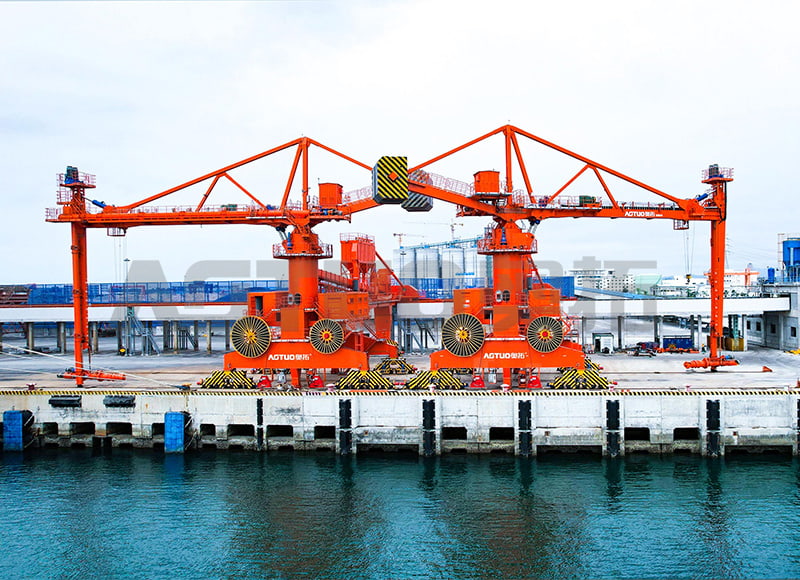
Environmental standards have become inseparable from safety codes. Grain dust is not only a pollutant but also a primary combustible in port explosions. The 2026 updates emphasize the use of "closed-loop" transfer systems. This makes the dust free grain ship loader with integrated bellows a critical investment for modern ports. AOTUO's 20 years of experience in dust collection and environmental screw unloaders has culminated in our energy efficient grain loading system for ports, which utilizes advanced filtration to capture 99.9% of airborne particulates. According to the 2024 Global Port Sustainability Report by the International Association of Ports and Harbors (IAPH), port facilities that implement dust-controlled loading see a 15% reduction in insurance premiums due to lowered fire and explosion risks.
Source: IAPH - World Ports Sustainability Program Report 2024
Modern enclosed systems prevent the "dust cloud" effect, which is now strictly regulated under both maritime safety and local environmental laws.
| Environmental Factor | Open Gravity Spout | Dust Free Grain Ship Loader with Integrated Bellows |
| Dust Emission | High (Potential explosion risk) | Negligible (Active suppression) |
| Material Loss | 0.5% - 1.0% via airborne drift | Near Zero |
| ATEX/IECEx Compliance | Difficult to achieve | Standard integrated safety |
| Community Impact | Noise and air pollution issues | Clean and quiet operation |
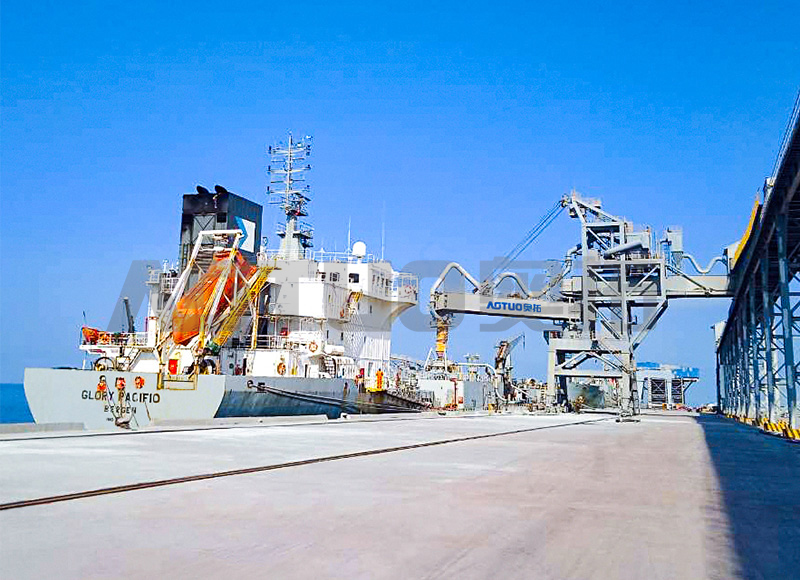
The 2026 International Grain Code also highlights the importance of accurate weight distribution to prevent structural overstressing of the ship's hull. Modern automated grain ship loading equipment must now integrate real-time metering and industrial automation. AOTUO, as a responsible drafting unit for industry standards, integrates intelligent control systems that allow operators to monitor loading rates up to 3000t/h with sub-percent accuracy. This prevents "heavy ends" in the vessel holds, which can lead to hull girding or buckling in heavy seas. Our custom grain ship loader for large bulk carriers is designed to handle vessels up to 200,000 DWT, ensuring that even the largest ships are loaded within strict structural and stability limits.
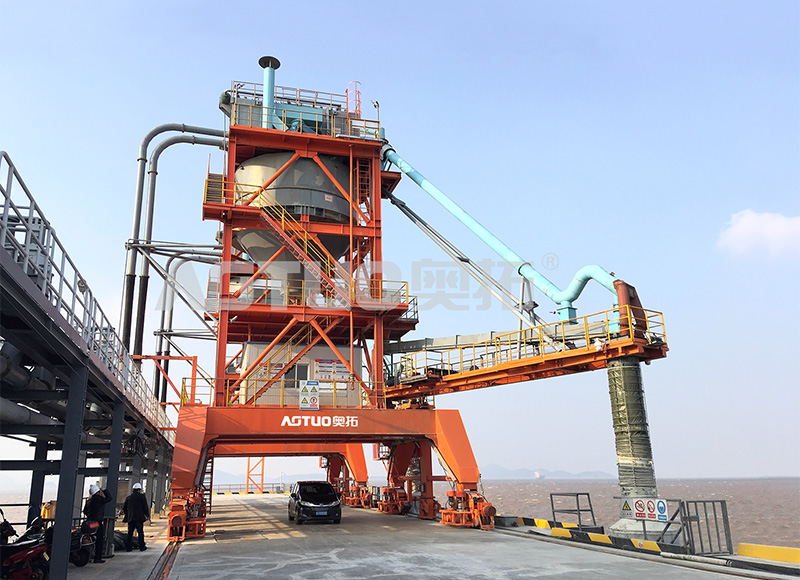
A high capacity telescopic grain ship loader allows the operator to reach every corner of the hold, ensuring the grain is level-loaded. This reduces the "void space" at the top of the hold, which is a key requirement of the 2026 International Grain Code to prevent cargo shifting.
While some mechanical parts can be updated, meeting the new dust suppression and intelligent metering requirements often requires a complete automated grain ship loading equipment overhaul to ensure full system integration and safety certification.
Our loading and unloading systems can reach capacities of up to 3000t/h, making them suitable for mobile grain loader for Panamax vessels and even larger 200,000 DWT bulk carriers.
Under the 2026 amendments, grain dust is recognized as a high-risk explosive. A dust free grain ship loader with integrated bellows reduces the concentration of particulates, effectively neutralizing the risk of a secondary explosion in the port area.
Yes. As a national high-tech enterprise, AOTUO uses advanced coatings and corrosion-resistant materials designed for the 20-year lifespans required in energy efficient grain loading system for ports located in maritime zones.
It is focused on the overall solution of dry bulk material port transfer system,
research and development, manufacturing, and service
Copyright © Hangzhou Aotuo Mechanical and Electrical Co., Ltd. All Rights Reserved.
Custom Material Conveyor Transfer Systems Manufacturers