EN
EN English
 中文简体
中文简体 Français

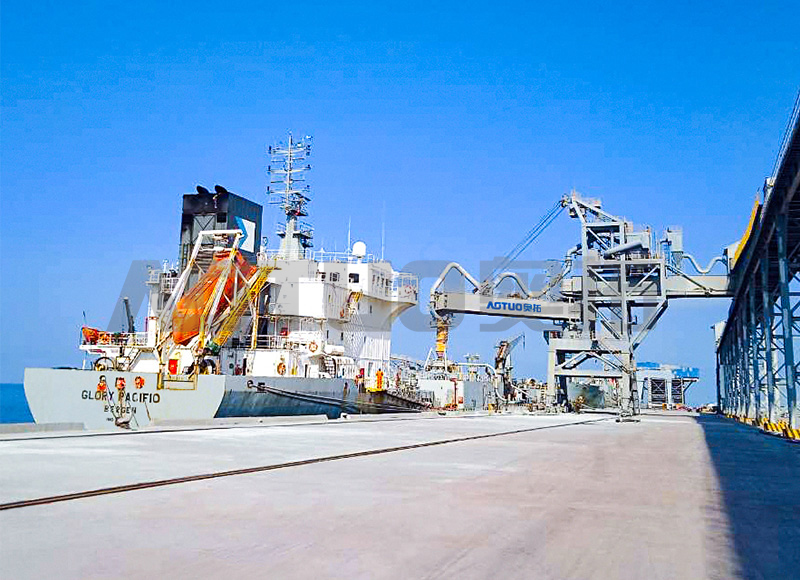
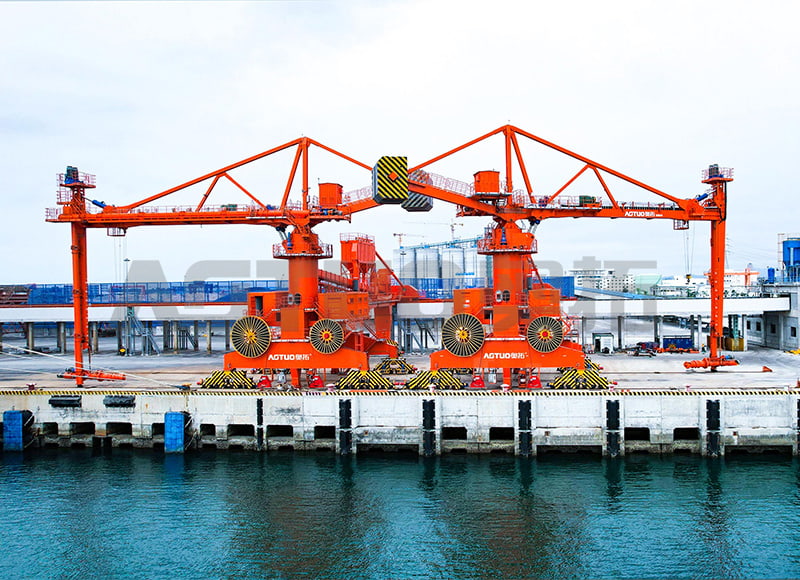
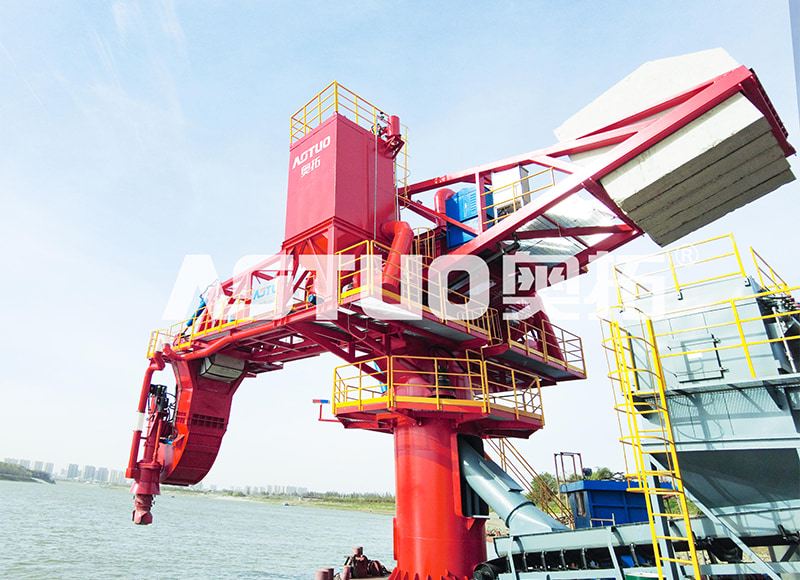
A ship loader is a large bulk-material handling machine installed at port terminals to transfer cargo — such as coal, grain, iron ore, cement, or fertilizer — from land-based conveyors directly into the holds of a docked vessel. Ship loaders are the primary and most efficient method of loading bulk cargo onto ships, capable of handling thousands of tonnes per hour with minimal manual intervention.
What Is a Ship Loader?
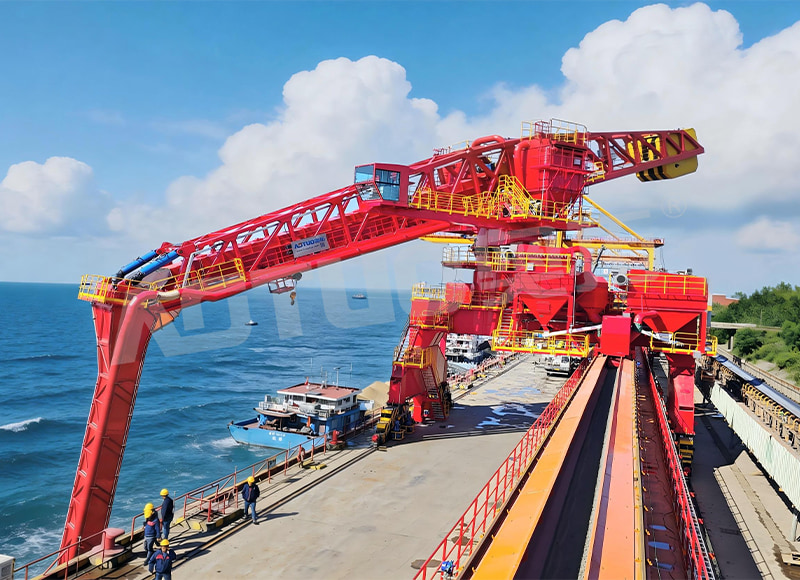
A ship loader sits at the edge of a berth or jetty and acts as the final link in a port's conveyor chain. Bulk material arrives via overland belt conveyors, travels up the loader's boom, and discharges through a chute or telescopic spout into the ship's hold. Modern ship loaders are mounted on rail-traveling gantries, allowing them to move along the quayside to reach every hatch of a vessel without repositioning the ship. The boom can typically luff (raise and lower), slew (rotate horizontally), and extend telescopically to direct material precisely into the hold.
Key design parameters that define a ship loader include:
| Parameter | Typical Range |
|---|---|
| Rated capacity | 500 – 20,000 t/h |
| Boom reach | 20 – 55 m |
| Slew angle | +/- 90° to +/- 120° |
| Ship size (DWT) | 5,000 – 250,000 DWT |
| Conveyor belt speed | 3 – 7 m/s |
How Does Ship Cargo Transfer Work?
The cargo transfer sequence at a bulk terminal follows a continuous, integrated chain. Understanding each stage clarifies why the ship loader is indispensable to port efficiency.
Stage 1 — Stockyard Reclaim
Material stored in open stockyards or enclosed silos is reclaimed by a stacker-reclaimer or bucket-wheel reclaimer. These machines cut into the stockpile and feed material onto a yard conveyor at a controlled rate — often between 2,000 and 10,000 t/h depending on terminal size.
Stage 2 — Overland Conveyor System
A network of belt conveyors, typically 1,200 mm to 2,400 mm wide, carries material from the stockyard to the ship loader at the berth. Transfer towers with chutes redirect material between conveyors. Weightometers (belt scales) measure the mass flow in real time, feeding data to the terminal control system.
Stage 3 — Ship Loader Boom Conveyor
Material passes from the quayside feed conveyor onto the loader's boom conveyor belt. The boom structure, which can be 20 to 55 metres long, elevates the material above deck level before discharging it downward. A slewing ring bearing at the tower base allows the entire boom to rotate, while a luffing cylinder adjusts the boom's vertical angle.
Stage 4 — Trimming and Hold Filling
The discharge chute or telescopic spout directs the material stream into the hold. Trimming — the process of distributing cargo evenly across the hold floor — is achieved by moving the loader along the rail track and adjusting the slew angle. Some advanced loaders incorporate automated trimming systems that use laser or sonar sensors to map the hold surface and optimise fill patterns, reducing loading time by up to 15%.
Types of Ship Loaders
Different port layouts and cargo types require different loader configurations. The four most common are:
| Type | Key Feature | Typical Application |
|---|---|---|
| Rail-traveling luffing/slewing | Full luff, slew, and travel motion | Coal, iron ore, grain export terminals |
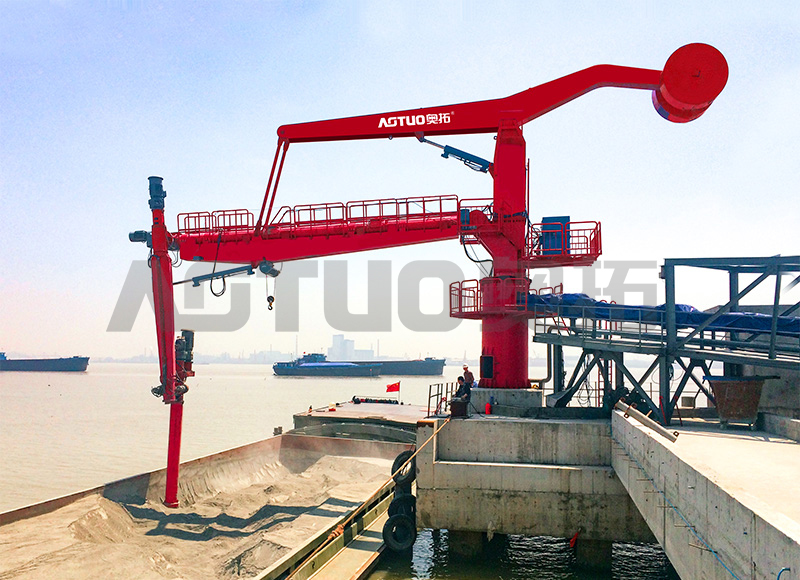
| Fixed-boom radial | Slews only; ship repositions for each hatch | Smaller ports, river terminals |
| Telescopic boom | Boom extends/retracts for precise reach | Cement, alumina, fine materials |
| Shuttle-type | Inner conveyor shuttles fore and aft | Large Panamax/Capesize vessels |
Is a Ship Loader Safe for Bulk Cargo (FO Safe)?
Yes — ship loaders are engineered with multiple safety systems that make them suitable for handling a wide range of materials, including those classified as fuel oil safe (FO safe) or relevant to fire and explosion risk categories. Here is what those safety provisions typically include:
Dust Suppression and Explosion Prevention
Coal dust and grain dust are both combustible. Ship loaders handling these materials are equipped with enclosed transfer chutes, rubber skirting at all belt transitions, water spray systems at discharge points, and in many cases inert-gas purging for enclosed boom galleries. The telescopic spout can reduce fall height to under 0.5 m, dramatically cutting dust generation at the point of impact.
Structural and Mechanical Safety Devices
A well-designed ship loader incorporates the following protective mechanisms as standard:
- Anti-collision radar or laser sensors that halt boom travel if a ship's structure enters the exclusion zone
- Pull-cord emergency stops along the full length of the boom conveyor
- Overload protection on all drive motors via soft starters or variable frequency drives (VFDs)
- Storm-locking anchors that secure the traveling gantry against wind loads exceeding design limits (typically 28 m/s operational, 55 m/s survival)
- Drift monitoring for the boom's position relative to the hold hatch, preventing spill onto the deck
Hazardous Material Compatibility
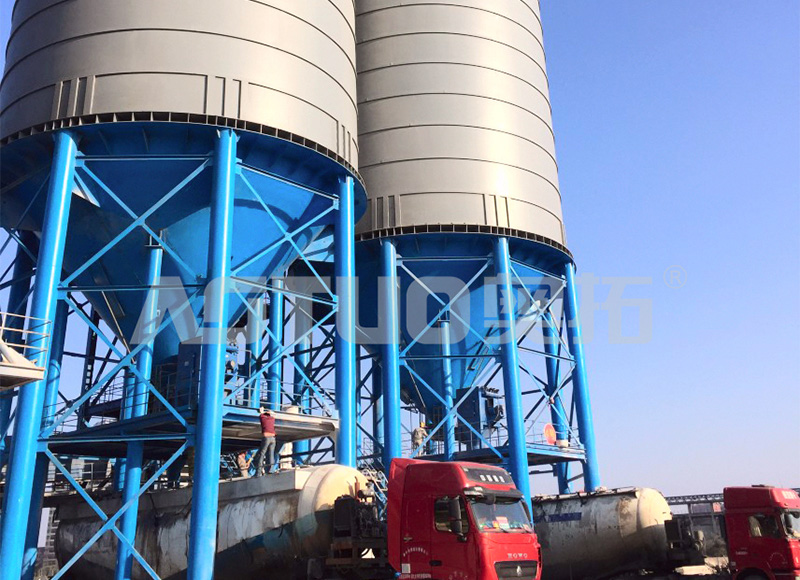
For terminals handling petroleum coke, sulphur, or other materials with specific ignition risks, ship loaders can be supplied with ATEX-rated electrical enclosures, non-sparking belt scrapers and chute liners, and grounding continuity systems to prevent static discharge. These configurations confirm that a properly specified loader is indeed safe for such environments.
Operator Safety
Modern ship loaders feature enclosed, air-conditioned operator cabins with full panoramic visibility over the ship's deck. Camera systems give the operator a real-time view into dark holds. CCTV is often supplemented by automated hold-level detection so the operator is alerted before material approaches the hatch coaming. Loading rates at major terminals like the Port Hedland iron ore terminal in Australia exceed 8,000 t/h per machine, yet the injury rate attributed to the loading equipment itself is near zero owing to these integrated safety layers.
Ship Loader vs. Other Cargo Transfer Methods
It is worth comparing ship loaders against alternative methods to understand when each is appropriate:
| Method | Typical Rate | Best For | Limitation |
|---|---|---|---|
| Ship loader (conveyor) | 1,000 – 20,000 t/h | Large-volume dry bulk | Fixed terminal investment |
| Grab crane / clamshell | 200 – 1,500 t/h | Mixed cargo, smaller volumes | High dust, slower rate |
| Pneumatic system | 100 – 600 t/h | Cement, flour, fine powders | High energy consumption |
| Screw conveyor loader | 100 – 500 t/h | Grain, sugar, small vessels | Limited to free-flowing material |
For high-throughput export terminals, the conveyor-based ship loader has no practical rival. A Capesize vessel carrying 180,000 tonnes of iron ore can be loaded in roughly 24 hours using two 8,000 t/h loaders — a task that would take weeks with cranes.
Key Factors When Selecting a Ship Loader
Specifying the right machine requires careful analysis of several interdependent factors:
- Throughput requirement: Calculate the annual tonnage target, then work backward to determine the required rated capacity, accounting for utilisation rates (typically 60–80% of rated capacity over a year).
- Material properties: Bulk density, lump size, moisture content, angle of repose, abrasiveness, and corrosivity all influence chute geometry, belt width, and lining materials. Iron ore at 2.0–2.5 t/m3 behaves very differently from wood pellets at 0.6 t/m3.
- Vessel range: The range of ship sizes calling at the berth determines the required boom reach and luffing range. A terminal serving both Handysize (25,000 DWT) and Capesize (180,000 DWT) vessels needs significantly more flexibility than one serving a fixed vessel class.
- Environmental regulations: Many jurisdictions now mandate dust emission limits below 10 mg/Nm3. This influences the chute design, enclosure level, and suppression system from the earliest design stage.
- Automation level: Fully automated loaders with hold-scanning and automatic trimming carry a premium of 15–25% over manually operated machines but reduce labour costs and improve consistency over the asset's 25–30 year service life.