EN
EN English
 中文简体
中文简体 Français
Industry News
Home / News / Industry News / What is the Optimal TPH Rating for a grain ship loader to Minimize Vessel Demurrage Costs?

Article Directory
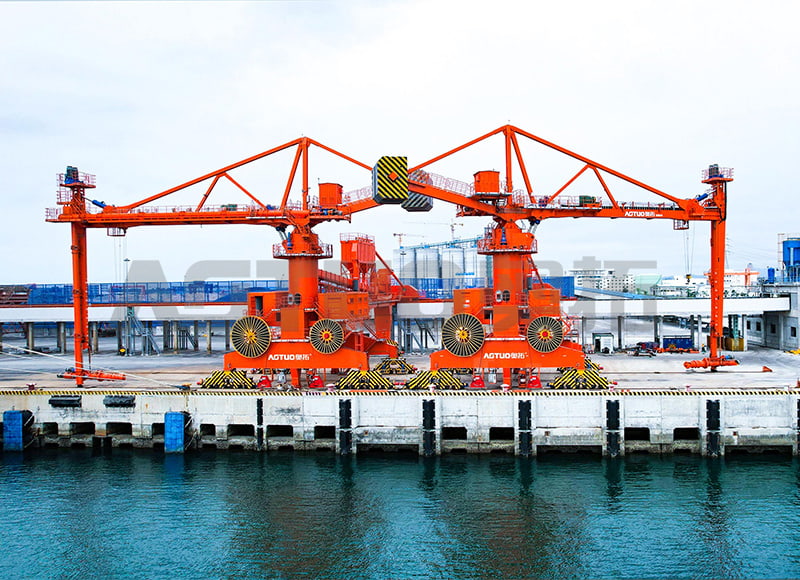
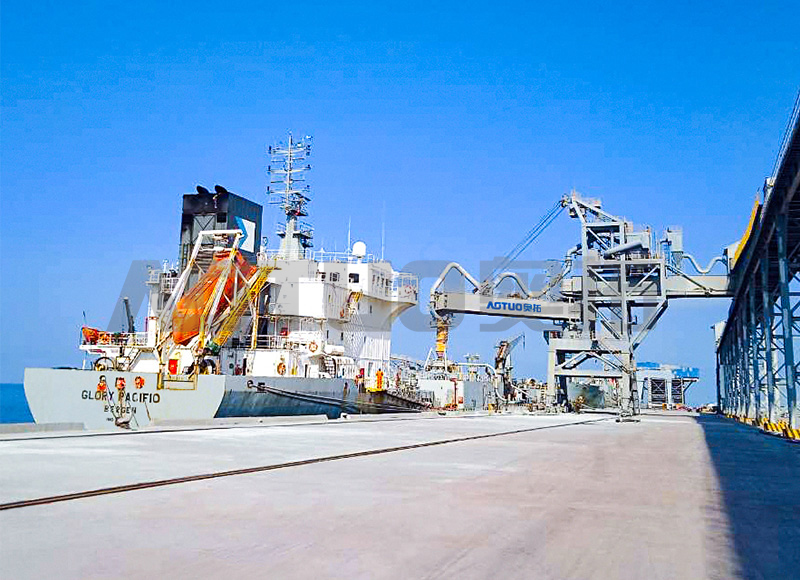
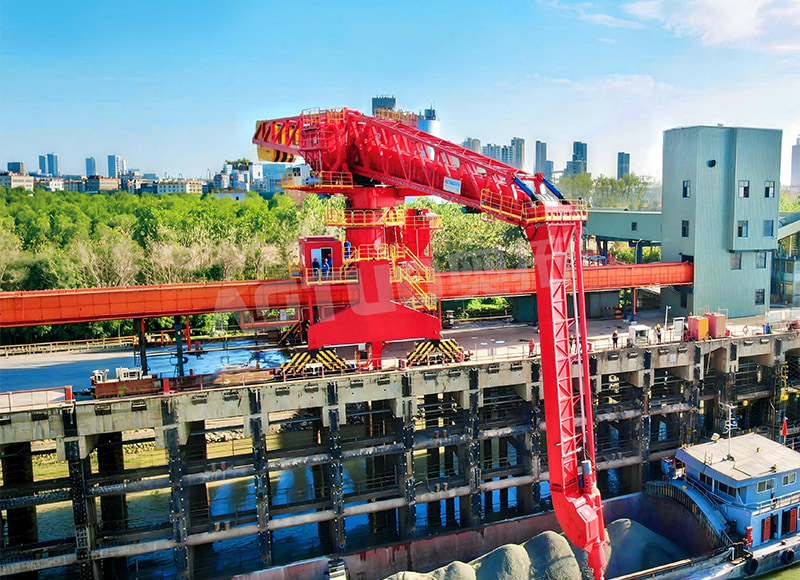
In the high-stakes environment of global agricultural logistics, the efficiency of a grain ship loader is the primary factor determining the profitability of a port terminal. Demurrage—the penalty paid by the terminal or charterer for exceeding the allotted time for cargo operations—can range from $20,000 to over $50,000 per day depending on the vessel size. Selecting an optimal Tons Per Hour (TPH) rating is not merely about choosing the fastest machine; it is a complex engineering balance between capital expenditure, berth occupancy rates, and the mechanical limits of the grain port terminal equipment. At Hangzhou Aotuo Mechanical and Electrical Co., Ltd. (AOTUO), we draw upon over 20 years of R&D experience to provide high capacity grain ship loading solutions that reach capacities up to 3000t/h, significantly mitigating the financial risks of port delays.
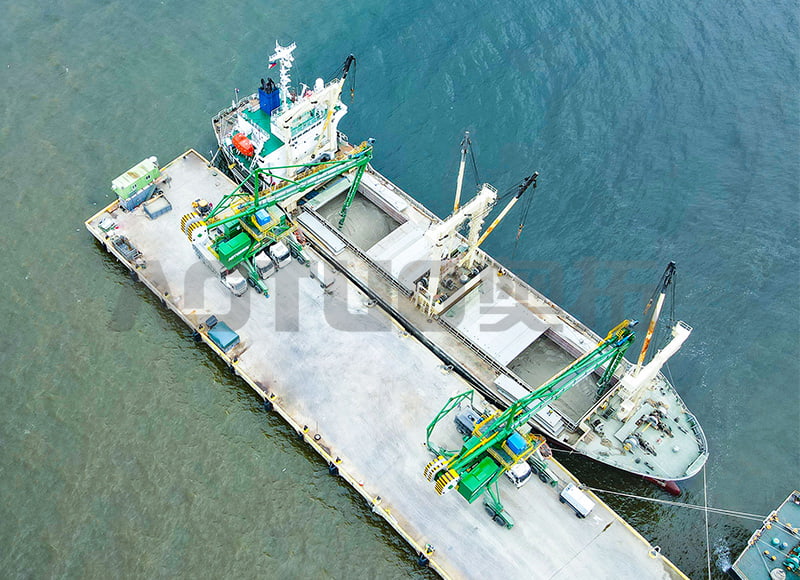
Demurrage costs are inversely proportional to the actual loading rate. While a lower TPH grain ship loader reduces initial investment, it extends the vessel's stay at the berth, increasing the risk of queue formation and expensive penalties. Industry data from 2024-2025 suggests that for Panamax-class vessels (60,000–80,000 DWT), increasing the net loading rate from 1000t/h to 2000t/h can save approximately 36 to 48 hours of port time, directly translating into tens of thousands of dollars in savings. According to the latest maritime trade reports, global bulk port congestion has emphasized the need for higher peak loading rates to absorb schedule volatility.
Source: UNCTAD Review of Maritime Transport 2024 - Port Performance and Efficiency Indicators
Increasing the TPH rating drastically reduces the time a ship occupies the berth, though the marginal utility of speed must be weighed against the capacity of the upstream conveying system.
| Rated TPH Capacity | Average Net Loading Rate | Theoretical Loading Time | Demurrage Risk |
| 800 t/h | 600 t/h | 100 Hours | High |
| 1500 t/h | 1150 t/h | 52 Hours | Moderate |
| 3000 t/h | 2300 t/h | 26 Hours | Low |
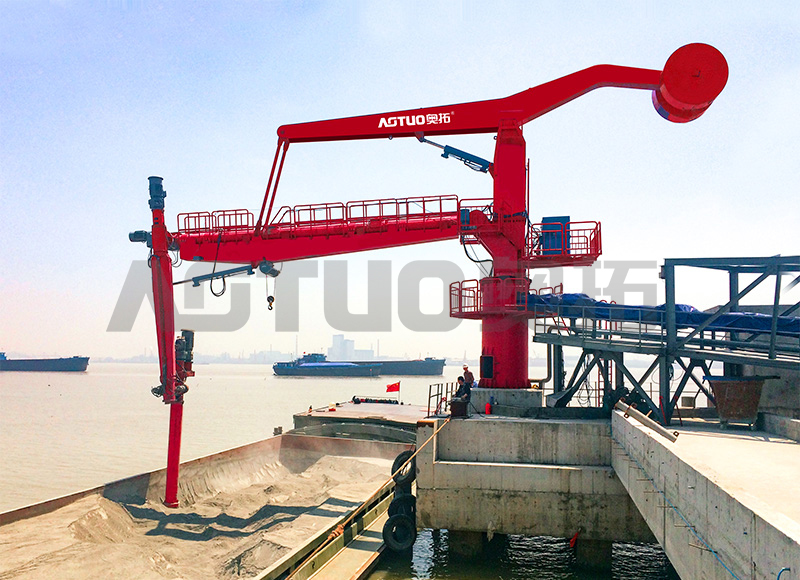
When engineering a custom grain loading system design, several technical constraints must be synchronized. An oversized loader is inefficient if the silos or conveyor belts cannot feed the machine at its peak capacity. Conversely, a mobile grain ship loader for small ports might prioritize flexibility and lower TPH for varied vessel types. In the 2024 revision of port engineering guidelines, experts noted that the "effective loading rate" is typically only 60-75% of the rated TPH due to hatch changes, ballast water management, and trimming operations.
Source: PIANC International Navigation Association - Guidelines for Dry Bulk Terminal Design
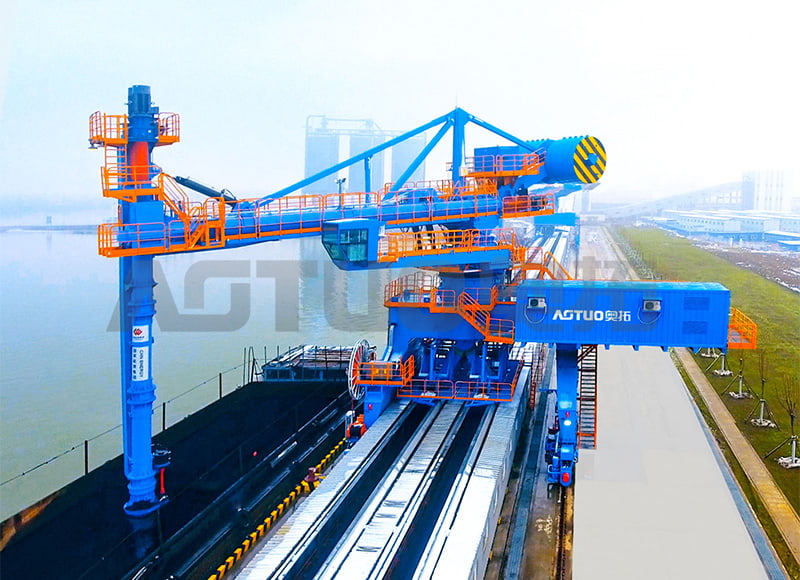
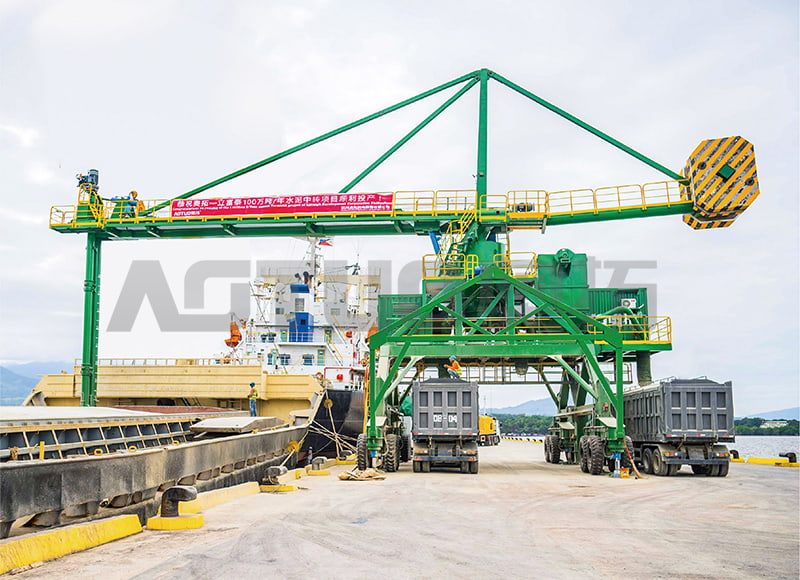
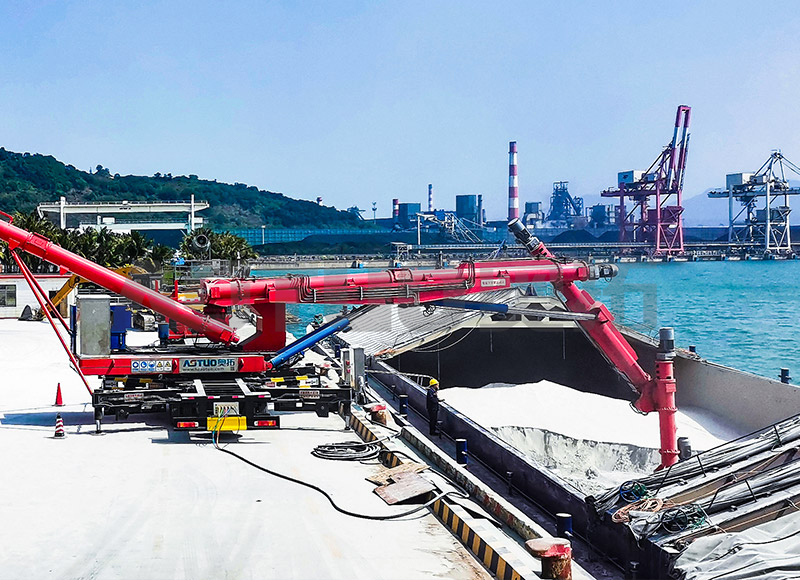
Stationary systems often offer higher TPH for high-volume terminals, while mobile systems provide cost-effective versatility for multi-purpose ports.
| System Type | TPH Potential | Berth Flexibility | Capital Expenditure |
| Stationary Gantry Loader | Highest (up to 3000t/h+) | Low (Vessel must move) | High |
| Traveling Loader | High (up to 2000t/h) | High (Loader moves along berth) | Moderate to High |
| Mobile/Radial Loader | Medium (500 - 1000t/h) | Highest (Can be moved between berths) | Low |
Modern terminals now require dust controlled grain ship loading to comply with increasingly strict environmental regulations. High TPH loading can generate significant particulate matter if not managed correctly. AOTUO utilizes advanced dust collectors and intelligent control systems to ensure that even at 3000t/h, the environmental footprint remains minimal. Technical breakthroughs in 2025 have integrated AI-driven metering and industrial automation into grain ship loader systems, allowing for real-time adjustments in loading speed to synchronize with the ship's ballast pumping rate, thus avoiding operational bottlenecks.
Established in 2003, AOTUO is a national high-tech enterprise and the responsible drafting unit for industry standard JC/T 2575. Our expertise extends from grain ship loader manufacturing to the entire dry bulk material port transfer system. We specialize in environmentally friendly screw unloaders and transfer station series equipment, providing overall solutions that include dust collectors, conveying equipment, and intelligent control systems. With patents exceeding 100 and the capability to handle vessels up to 200,000 DWT, AOTUO ensures that your port operations reach the international level of efficiency and sustainability.
It is focused on the overall solution of dry bulk material port transfer system,
research and development, manufacturing, and service
Copyright © Hangzhou Aotuo Mechanical and Electrical Co., Ltd. All Rights Reserved.
Custom Material Conveyor Transfer Systems Manufacturers