Article Directory
Specifying the right grain ship loader determines how efficiently a terminal can move bulk grain from storage into a vessel's hold, and how much dust, spillage, and downtime the operation absorbs along the way. For port operators, grain exporters, and bulk handling contractors, the decision spans equipment type, throughput capacity, and system design compatibility with existing silo and conveyor infrastructure. This guide covers the types of ship loading equipment available, where each is applied across port and terminal operations, the performance properties worth evaluating, and the system design factors that affect safety and efficiency.
A grain ship loader is not a single machine design but a category of bulk handling equipment, and the right configuration depends on terminal layout, berth access, and the range of vessel sizes a port needs to service.
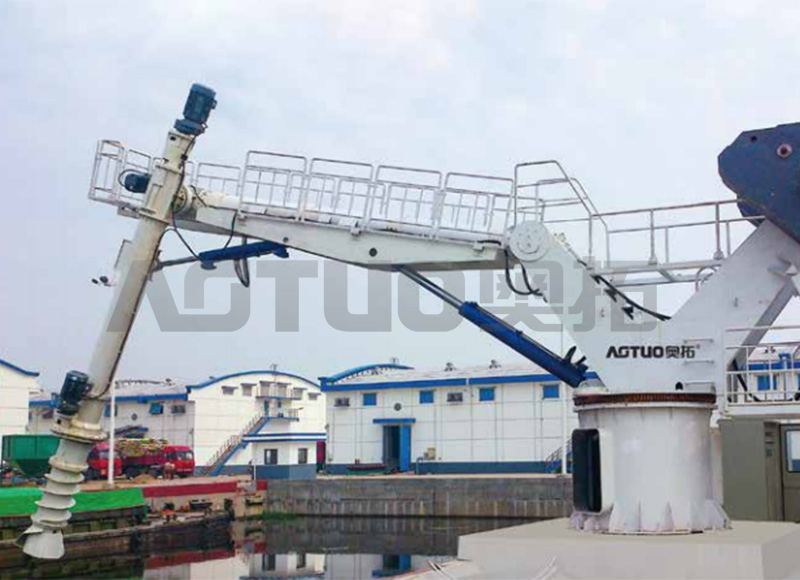
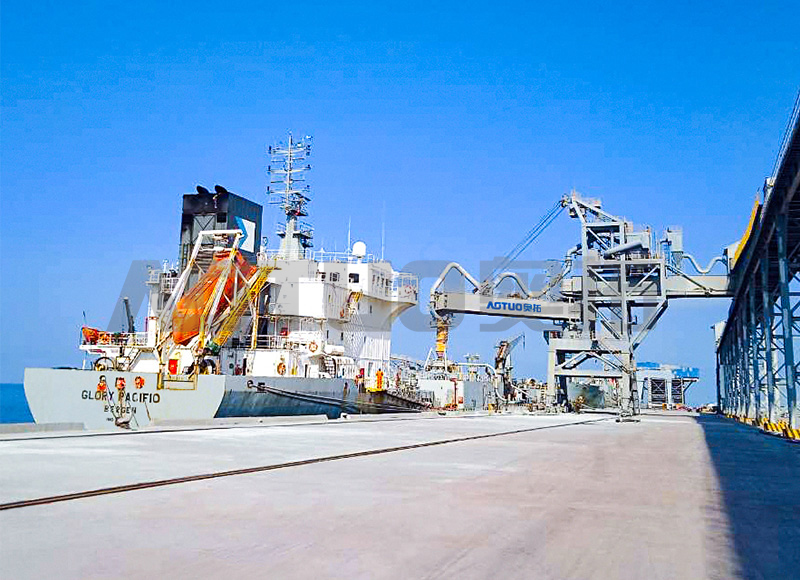
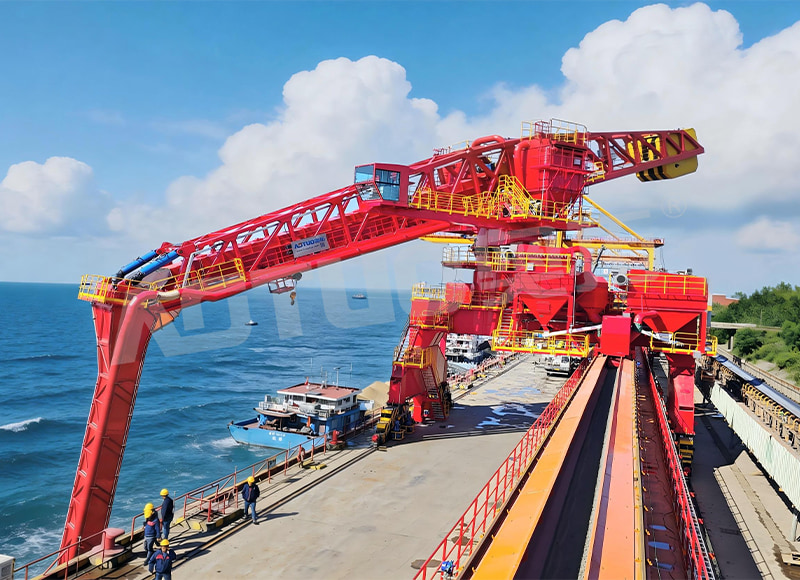
The general term for fixed or semi-fixed equipment that transfers bulk grain from a shore-side conveyor or hopper directly into a vessel's cargo hold through a controlled discharge point.
A mobile ship loader is mounted on a traveling base, allowing it to reposition along the berth to service multiple hold sections or different vessels without relocating fixed infrastructure.
A telescopic ship loader conveyor system extends and retracts its boom to reach into a vessel's hold at varying depths and angles, reducing free-fall distance and the dust generation that comes with it.
A broader ship loading conveyor system connects storage silos to the loader itself, forming the continuous material path that carries grain from bulk storage to the point of vessel discharge.
Among the types of grain ship loader systems available, buyers generally choose between fixed installations, which suit high-volume terminals with predictable vessel traffic, and mobile grain ship loader equipment, which suits terminals handling varied vessel sizes or multiple berths from a shared machine. Bulk grain port loading machinery is typically specified around expected annual throughput first, since equipment sized below actual demand becomes the limiting factor in overall terminal capacity. Terminal operators expanding an existing facility should also weigh compatibility with current conveyor infrastructure, since a mismatched interface between a new loader and legacy storage systems can introduce transfer bottlenecks that offset any capacity gains from the new equipment.
Grain ship loaders are applied across the full chain of bulk agricultural export, from storage discharge through final vessel loading, and matching equipment to the specific operational context is what determines loading speed and material handling losses.
As core grain export terminal equipment, ship loaders are typically integrated with existing storage silo discharge systems, receiving grain via belt or screw conveyor before it reaches the loading boom. Export terminals handling multiple grain types, such as wheat, corn, and rice, require ship loader conveyor for wheat corn rice operations to be designed with cleanable transfer points to avoid cross-contamination between cargo runs. Terminals exporting to multiple markets with differing quality standards also benefit from loader designs that allow rapid changeover and inspection between cargo types without extended downtime.
Within a broader bulk cargo handling system, the ship loader functions as the final transfer stage, and its throughput must be balanced against upstream conveyor capacity and downstream vessel hold access to avoid bottlenecks at either end of the chain. Port bulk material handling system grain operations often coordinate loader speed with vessel trimming requirements, since uneven loading across hold sections can affect vessel stability during the voyage.
Port grain loading operations depend on close coordination between terminal scheduling, vessel arrival timing, and equipment availability, since ship loaders represent a fixed-capacity resource that must be allocated efficiently across a loading schedule. Agricultural logistics equipment upstream of the loader, including truck receiving pits and rail unloading systems, must also be sized to keep pace with loader throughput, or the loader itself becomes underutilized while waiting on inbound grain supply.
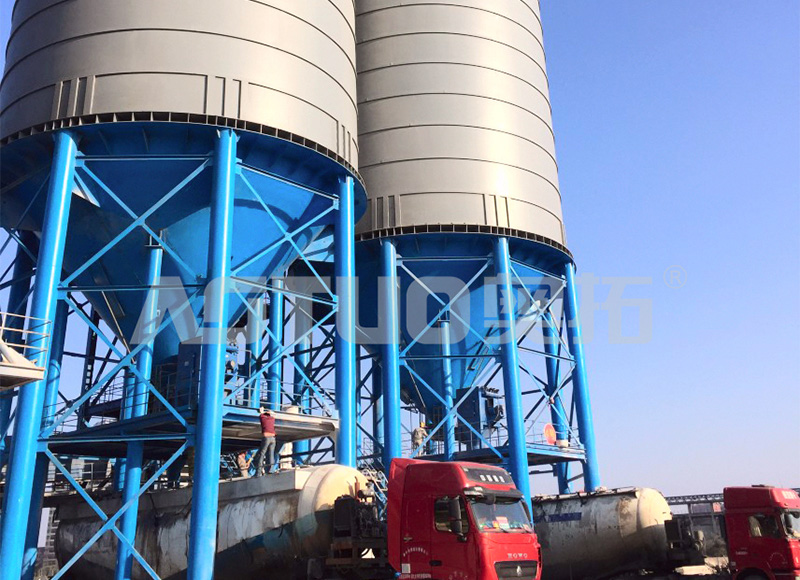
A well-designed storage silo discharge system feeds the ship loader at a controlled, consistent rate, since surges or gaps in material flow reduce loading efficiency and can increase dust generation at the transfer points. Grain handling equipment for shipping logistics is generally most effective when storage discharge, conveyor transfer, and loader operation are treated as a single coordinated system rather than independently specified components.
Across export terminals, bulk grain loading at seaports increasingly emphasizes not just raw throughput but consistency of flow, since predictable loading rates allow terminal operators to schedule vessel turnaround more tightly and reduce the demurrage costs associated with extended port time.
Beyond equipment category, buyers should evaluate a defined set of performance properties that determine how a grain ship loader performs under real terminal operating conditions.
A high capacity conveyor system is typically evaluated on sustained throughput rather than peak instantaneous rate, since real-world loading involves variability from grain moisture content, flow characteristics, and periodic interruptions for hold repositioning. Grain ship loader capacity per hour figures published by equipment suppliers should be understood as design targets under stated conditions, and buyers should request performance data specific to the grain types and terminal layout they intend to operate.
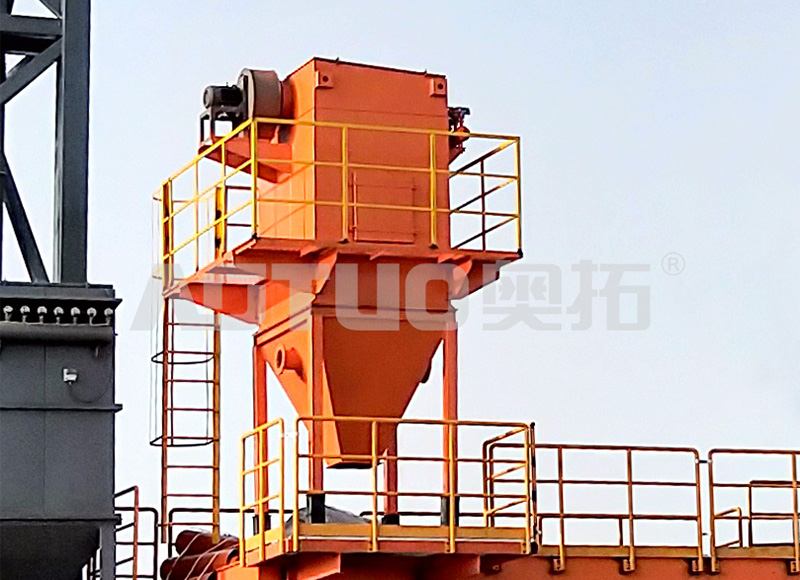
A dust control loading system addresses both environmental compliance and material loss, since airborne grain dust represents lost product in addition to a workplace safety concern. Dust suppression system ship loader designs commonly combine enclosed transfer points, telescopic boom reach to minimize free-fall distance, and extraction or water-mist suppression at key discharge points.
| Property | What It Affects | Buyer Consideration |
| Throughput Capacity | Vessel loading time and turnaround | Match to expected annual export volume |
| Dust Suppression | Material loss and workplace safety | Confirm suppression method matches grain type |
| Boom Reach and Telescoping | Hold coverage and free-fall distance | Match to typical vessel size range |
| Structural Duty Rating | Long-term reliability under continuous use | Priority for high-volume terminals |
| Automation and Controls | Operator workload and loading precision | Evaluate against terminal staffing model |
Bulk material handling efficiency grain loader performance depends on the entire material path, not the loader alone. A high-capacity loader fed by an undersized upstream conveyor will still be constrained by the slowest point in the system.
Continuous ship loading equipment is designed to maintain steady material flow throughout the loading cycle rather than operating in batch cycles, which generally improves overall vessel turnaround time. As heavy duty port machinery, ship loaders operate in demanding conditions involving continuous vibration, dust exposure, and weather, and buyers should evaluate structural duty ratings alongside throughput specifications when comparing energy efficient ship loading conveyor options, since energy efficiency gains should not come at the cost of reduced structural durability under continuous operation.
High reliability port loading machinery minimizes unplanned downtime, which is particularly costly in port operations where vessel demurrage charges accrue quickly during any loading delay. Maintenance access design, component standardization, and availability of spare parts through the supplier should factor into any reliability evaluation alongside the equipment's published performance specifications.
Terminals operating in high-throughput seasons should also consider scheduled maintenance windows as part of equipment planning, since a loader taken offline unexpectedly during peak export season can create scheduling conflicts across an entire vessel queue. Building preventive maintenance into the operating calendar, rather than reacting to failures, is generally the more cost-effective approach over the equipment's service life.
Understanding how grain ship loader system works as an integrated unit helps buyers evaluate proposals from equipment suppliers and plan terminal layout around the loader's operational requirements.
Grain enters the loading system through a hopper feeding system designed to regulate flow rate and prevent surges that could overload downstream conveyor sections or cause uneven discharge into the vessel hold.
Conveyor belt system design carries grain from the hopper toward the loading boom, with belt speed, width, and troughing angle selected to match the target throughput while minimizing spillage and material degradation.
The telescopic boom loader extends into the vessel hold, with operators or automated controls adjusting reach and discharge angle to distribute grain evenly across the hold and minimize free space that could affect vessel stability.
A ship loading safety system, including emergency stops, collision avoidance sensors near the vessel structure, and operator visibility aids, is engaged throughout the loading cycle to protect personnel and equipment during continuous operation.
Port ship loading safety procedures grain terminals follow generally include pre-loading equipment inspection, clear communication protocols between loader operators and vessel crew, and defined stop conditions for weather or mechanical issues. Bulk material transfer system optimization is an ongoing process rather than a one-time design decision, with many terminals adjusting conveyor speeds, hopper settings, and boom positioning procedures as they gather operational data across different vessel types and grain conditions. Terminal managers reviewing this data over multiple loading seasons are often able to identify recurring bottlenecks, whether in upstream conveyor capacity, hopper metering, or boom repositioning time, and target incremental equipment upgrades accordingly rather than replacing entire systems.
A grain ship loader is bulk handling equipment used at port terminals to transfer grain from storage or conveyor systems directly into a vessel's cargo hold for export shipment.
Grain moves from storage silos through a hopper and conveyor system to the loader's boom, which positions the discharge point over the vessel hold, often using telescopic extension to control reach and reduce free-fall distance.
Capacity varies significantly by equipment size and configuration, and is generally expressed as a sustained hourly throughput rate under stated grain and operating conditions specific to the equipment model.
Ports handling significant bulk agricultural export volume, including major grain terminals serving wheat, corn, rice, and soybean trade, typically operate dedicated ship loading equipment as part of their export infrastructure.
Dust reduction generally combines enclosed transfer points, reduced free-fall distance through telescopic boom positioning, and dedicated dust suppression or extraction systems at key discharge points along the material path.
A conveyor moves bulk material along a fixed path, while a ship loader is the complete system, often incorporating conveyor sections, that positions and discharges material directly into a vessel hold, typically with boom reach and positioning controls a standard conveyor does not include.
Selecting the right grain ship loader depends on matching equipment type, whether fixed, mobile, or telescopic, to terminal layout and expected vessel traffic, while evaluating throughput capacity, dust control, and structural reliability as an integrated system rather than isolated specifications. Buyers who assess the full material path from storage discharge to vessel hold, and prioritize consistent flow and safety system design alongside raw capacity, are best positioned to select equipment that supports efficient, reliable port operations over the long term.
It is focused on the overall solution of dry bulk material port transfer system,
research and development, manufacturing, and service
Copyright © Hangzhou Aotuo Mechanical and Electrical Co., Ltd. All Rights Reserved.
Custom Material Conveyor Transfer Systems Manufacturers