Article Directory
Bulk ship loaders are the backbone of high-throughput port terminals worldwide, transferring millions of tonnes of dry bulk commodities — coal, grain, cement, fertilizer, and ore — from shore-side stockpiles into vessel holds with precision, speed, and minimal environmental impact. Selecting and operating the right loading system directly determines a terminal's throughput capacity, vessel turnaround time, and long-term profitability.
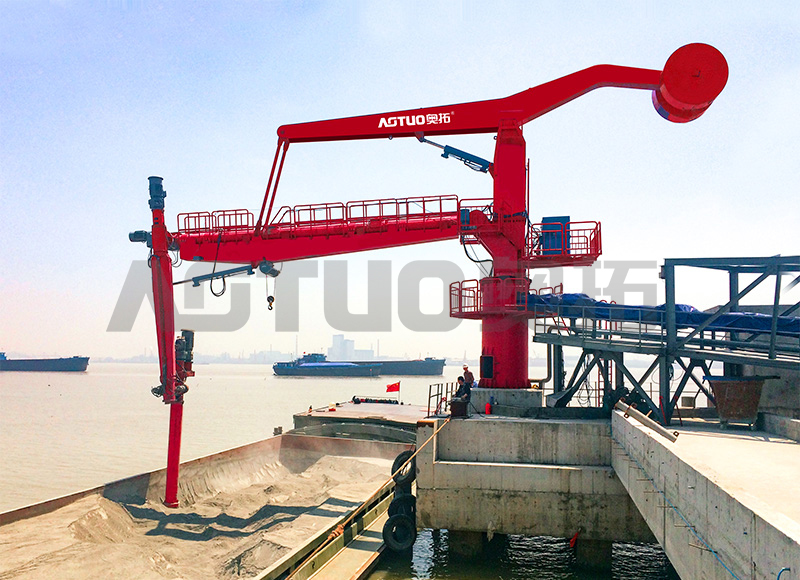
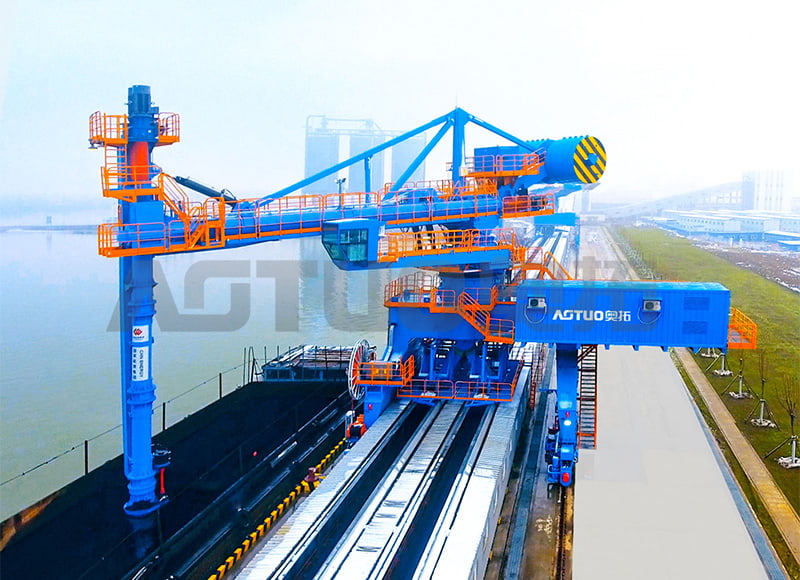
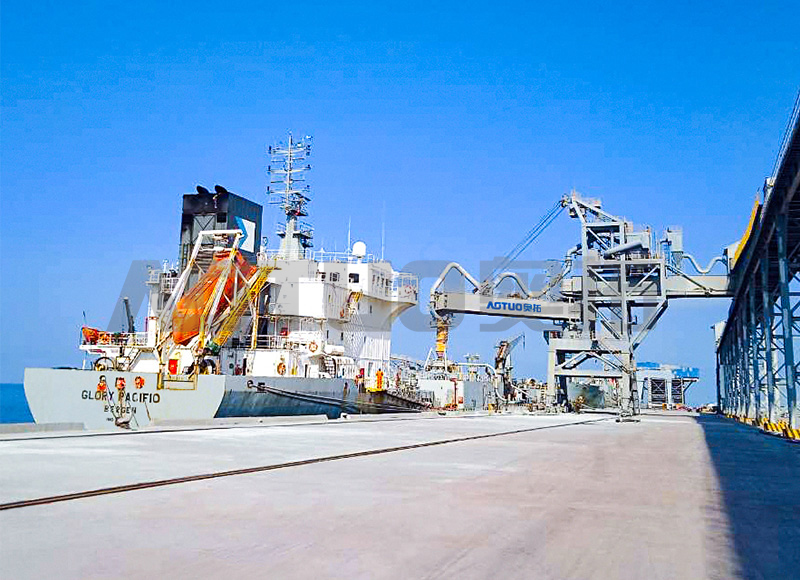
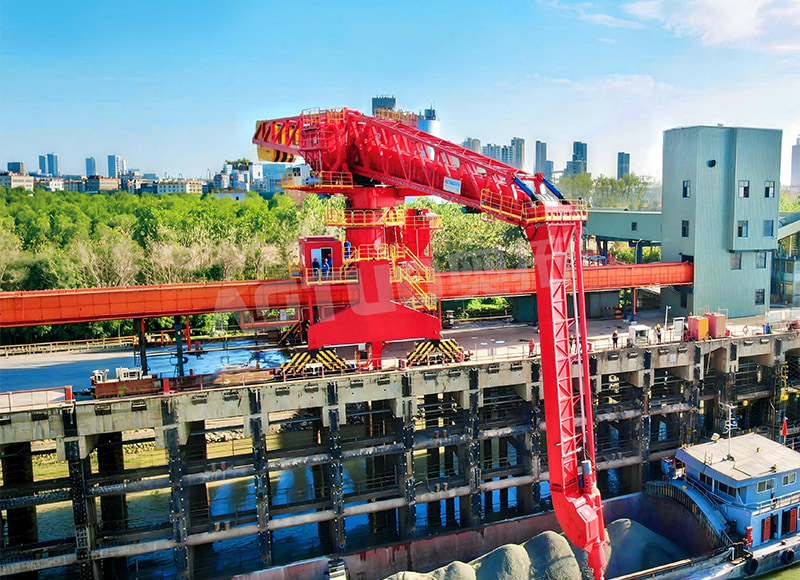
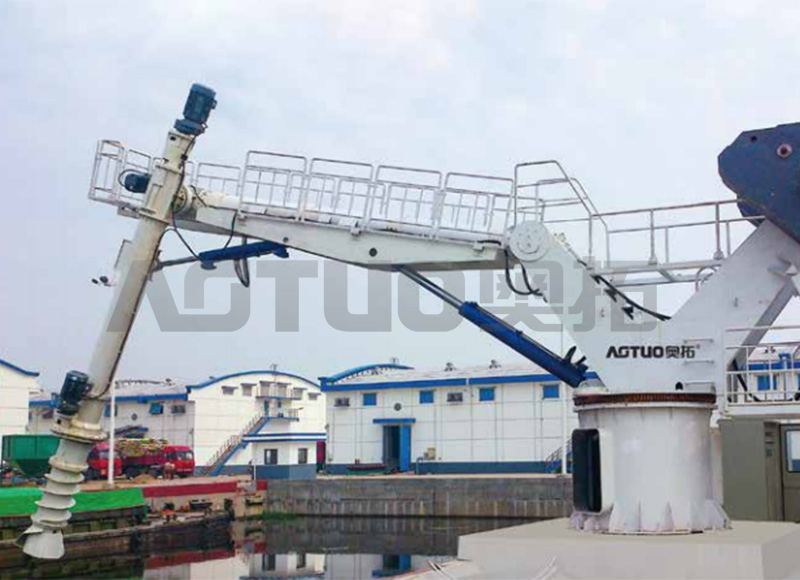
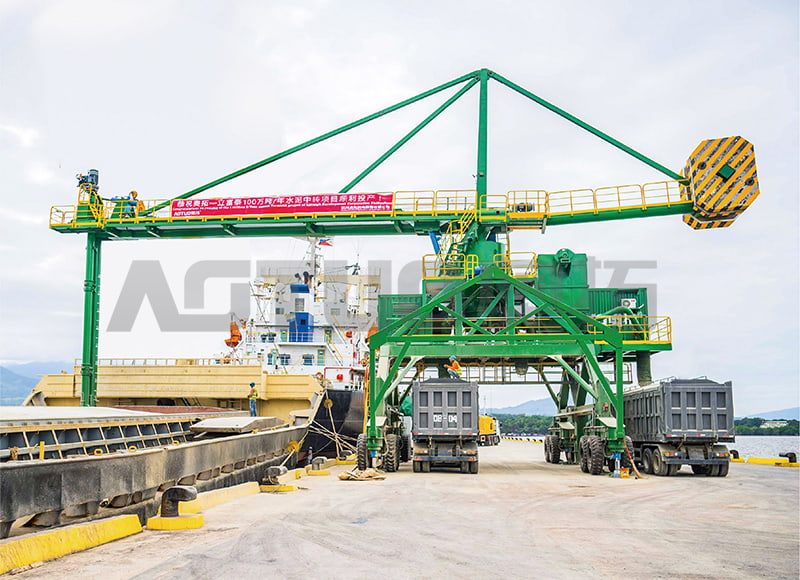
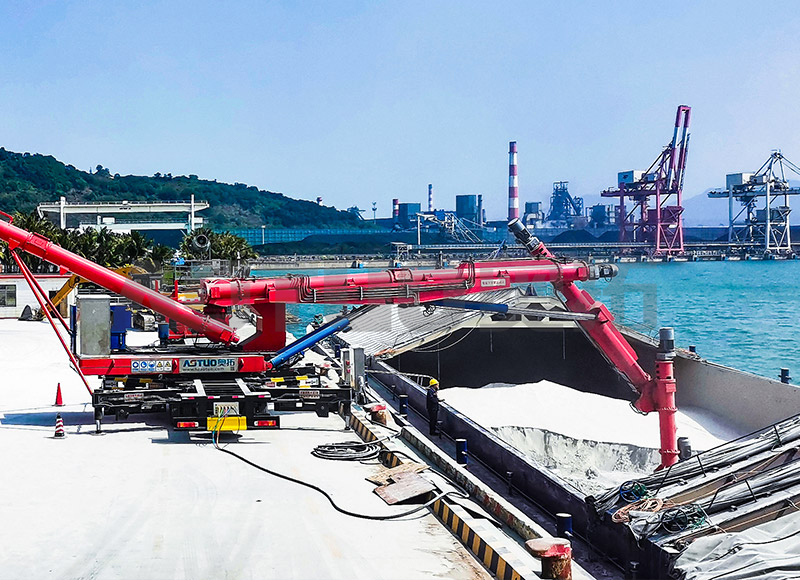
Bulk ship loaders are specialized material handling machines that transfer loose, dry bulk commodities from a terminal's conveyor network or stockpile reclaim system directly into the cargo holds of ocean-going vessels. They serve as the final link in the export supply chain — from mine, farm, or factory to ship.
Core operational functions include:
A bulk ship loader is defined as a fixed or mobile machine equipped with a luffing, slewing, and telescoping boom-conveyor assembly that delivers bulk material into a vessel hold at a controlled rate, with provisions for dust containment and trimming.
Loading efficiency is measured in three dimensions: throughput rate (tonnes per hour), vessel utilization (ratio of loading time to total berth time), and cargo loss rate (spillage plus dust). Modern bulk ship loaders improve all three simultaneously through mechanical design and automation.
Continuous belt conveyors running at 6–8 m/s, combined with high-capacity telescoping spouts, sustain loading rates of 2,000 to 10,000 TPH without stopping to reposition. Automated boom-luffing keeps the discharge point close to the cargo surface, reducing material freefall and maintaining consistent flow density.
Slewing and traveling mechanisms allow a single loader to service multiple hatch openings without moving the vessel. This eliminates warp delays that cost terminals 1–3 hours per vessel call. PLC-controlled automation further cuts dead time between hatch changes to under two minutes.
Enclosed chute systems, telescoping spouts, and integrated dust collectors reduce visible dust emissions to below 10 mg/Nm3 — well within IMO and local port authority limits. Sealed transfer points eliminate the 0.1–0.3% cargo loss common in open belt systems.
Modern loaders integrate with terminal operating systems (TOS) to track tonnes loaded per hatch, belt load profiles, and equipment health in real time. Draft survey data feeds back into the control system to pace loading and prevent hold overfill automatically.
Ship loading systems are engineered around the flow characteristics of the target material. Bulk density, abrasivity, moisture content, and dust explosion risk all influence the design of the conveyor, chute geometry, and dust management system.
| Material | Bulk Density (t/m3) | Key Design Consideration | Typical Loading Rate |
| Thermal Coal | 0.75–0.90 | Dust explosion risk, high abrasion | 3,000–10,000 TPH |
| Iron Ore | 2.0–3.5 | Very high abrasion, structural loading | 5,000–15,000 TPH |
| Grain (Wheat/Corn) | 0.72–0.80 | Contamination prevention, gentle handling | 1,000–3,000 TPH |
| Cement (Clinker) | 1.2–1.5 | Highly abrasive, moisture sensitive | 500–2,000 TPH |
| Fertilizer (Urea/DAP) | 0.75–0.90 | Corrosive, hygroscopic, caking risk | 1,000–2,500 TPH |
| Petcoke | 0.72–0.85 | Fine particle, high dust generation | 2,000–6,000 TPH |
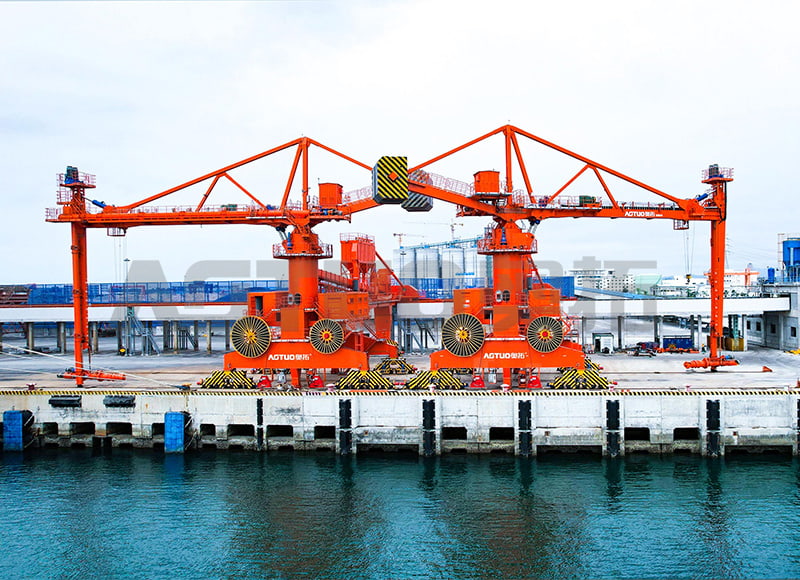
The choice between a fixed and mobile bulk ship loader is one of the most consequential infrastructure decisions a terminal operator makes. Each configuration suits a fundamentally different operational model.
Bulk ship loaders are not interchangeable across commodities. Each material demands specific engineering features. The selection process should follow a structured evaluation across five criteria.
Dust and spillage control is no longer optional at modern bulk terminals — it is a regulatory, commercial, and reputational requirement. Leading loader designs now achieve near-zero fugitive emission through a combination of mechanical enclosure, negative-pressure extraction, and real-time monitoring.
Specification Checklist Before Procurement
It is focused on the overall solution of dry bulk material port transfer system,
research and development, manufacturing, and service
Copyright © Hangzhou Aotuo Mechanical and Electrical Co., Ltd. All Rights Reserved. Custom Material Conveyor Transfer Systems Manufacturers