Article Directory
Choosing between a Travelling Ship Loader and a fixed system comes down to one core question: does the terminal need to serve different vessels and berth positions, or does it run one dedicated loading point day after day? Both systems move bulk cargo efficiently, but they differ sharply in mobility, installation, investment, and long-term adaptability.
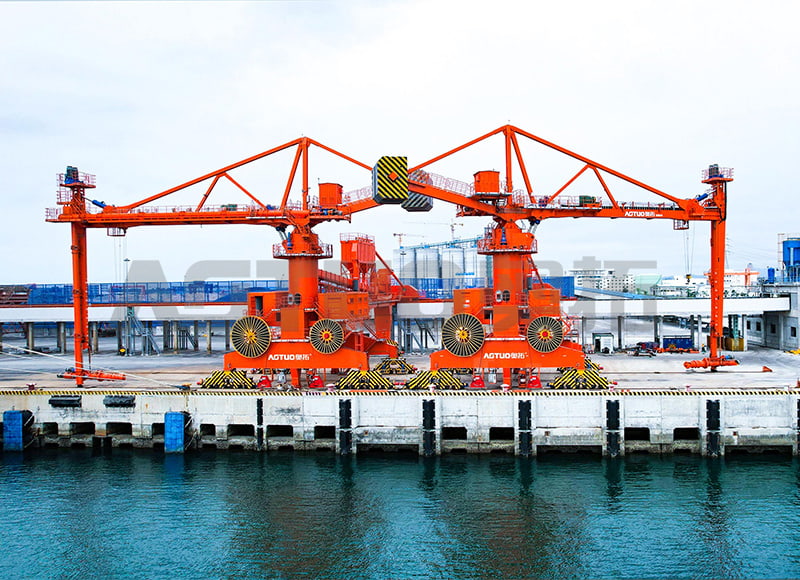
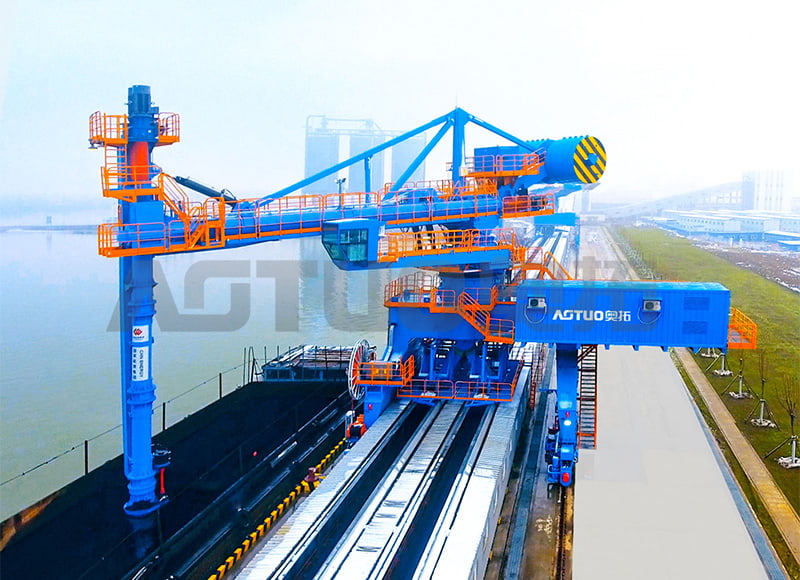
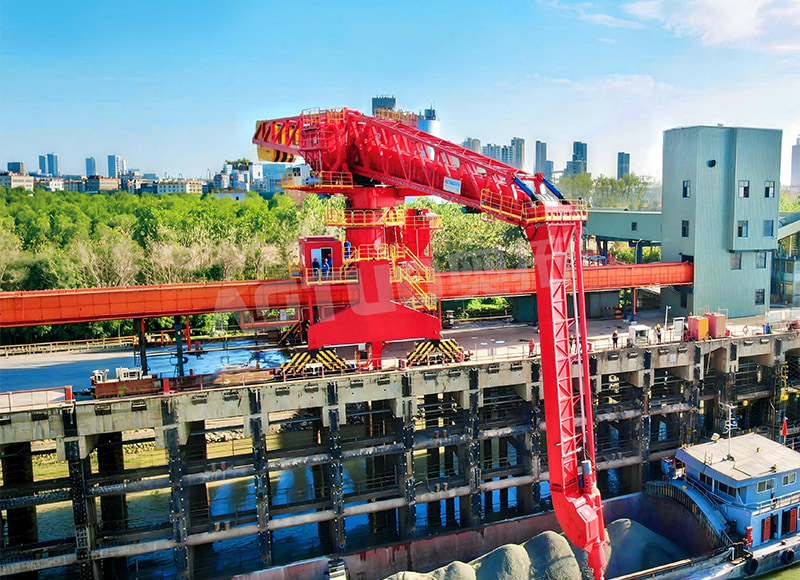
A rail-mounted loading system built around a travelling mechanism, conveyor boom, luffing system, and slewing structure, able to move along the berth to serve different loading positions.
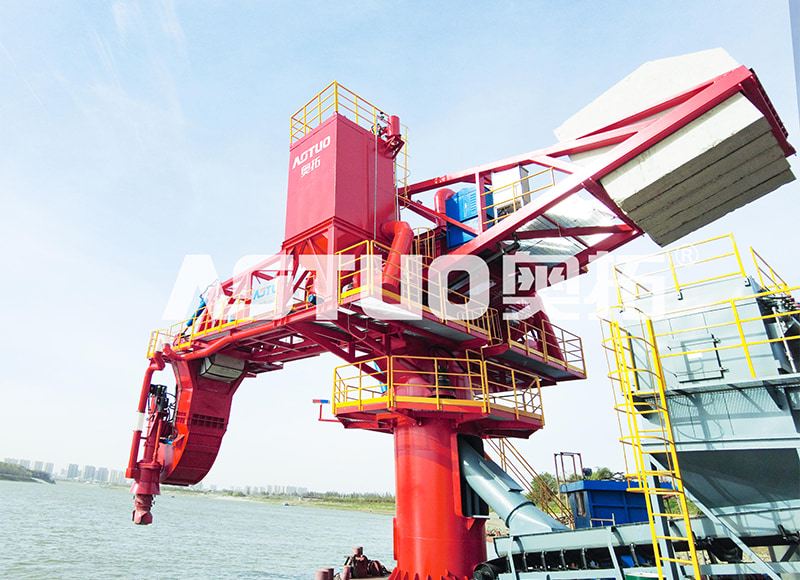
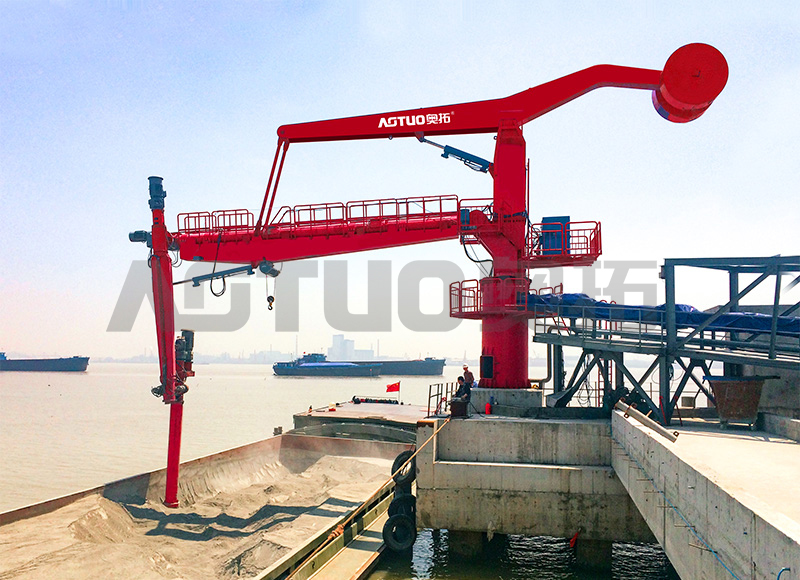
A permanently installed system built on a fixed support structure with a dedicated conveyor, loading boom, and discharge chute for one loading position.
Mobility is the single biggest difference between the two systems, and it shapes almost every other comparison point that follows.
A travelling ship loader trades higher upfront complexity for long-term berth flexibility, while a fixed loader trades that flexibility for lower cost and simpler operation.
Both systems reach high loading rates, but they get there differently. Travelling loaders improve cargo distribution and hatch access by moving the loading point, while fixed loaders deliver stable, consistent flow when ship types and positions stay constant.
Installation requirements follow the same pattern: travelling systems need rail infrastructure and larger operational space, while fixed systems need only a permanent foundation and dedicated loading area, making construction simpler and faster.
Relative Investment Cost Index
Requires upkeep on travel wheels, rail systems, and mechanical drive components, in exchange for flexible, adaptable operation.
Focuses on the conveyor system and structural components, with fewer moving parts and simpler routine maintenance.
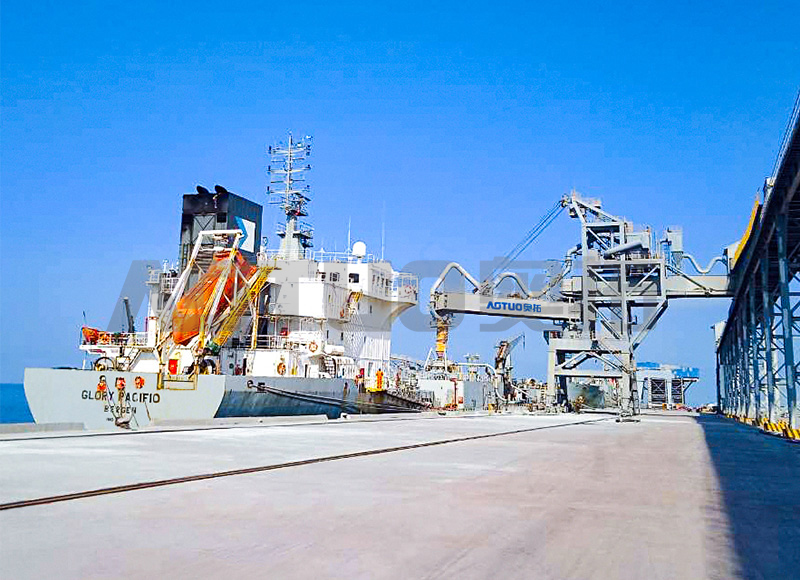
Travelling systems suit large multi-user ports, mining export terminals, and grain facilities with changing vessel schedules. Fixed systems suit dedicated industrial terminals such as cement plants and power plants with stable, predictable loading requirements.
Travelling vs Fixed: Capability Comparison
| Choose Travelling When | Choose Fixed When |
| Multiple vessel positions are needed | Operations are dedicated to one point |
| Berth operations need flexibility | Production schedules are stable |
| Ship sizes vary across calls | Lower initial investment is a priority |
| Future berth expansion is planned | Simple maintenance is preferred |
Both loader types are moving toward automated positioning, remote operation, and smart monitoring, with digital control systems, improved safety features, and dust reduction technologies now standard on modern installations of either type.
The right Ship Loader choice depends less on which system is generally better and more on cargo type, terminal layout, vessel variability, and long-term operational plans specific to the project.
Travelling ship loaders deliver flexibility, berth utilization, and long-term adaptability for terminals handling varied vessels. Fixed ship loaders deliver stable performance, simpler installation, and lower cost for terminals with consistent, dedicated cargo handling needs. Matching the system to actual terminal operations, not just budget, is what determines long-term loading efficiency.
Fixed ship loaders generally require lower initial investment because they avoid rail infrastructure and travel mechanisms.
Converting typically requires significant civil work to add rail infrastructure, so it is more practical to plan mobility requirements before initial installation.
Travelling ship loaders handle varying vessel sizes more effectively since the loading point can move to match different hatch positions.
Yes, both travelling and fixed ship loaders can be upgraded with automated positioning, remote operation, and smart monitoring technology.
It is focused on the overall solution of dry bulk material port transfer system,
research and development, manufacturing, and service
Copyright © Hangzhou Aotuo Mechanical and Electrical Co., Ltd. All Rights Reserved.
Custom Material Conveyor Transfer Systems Manufacturers