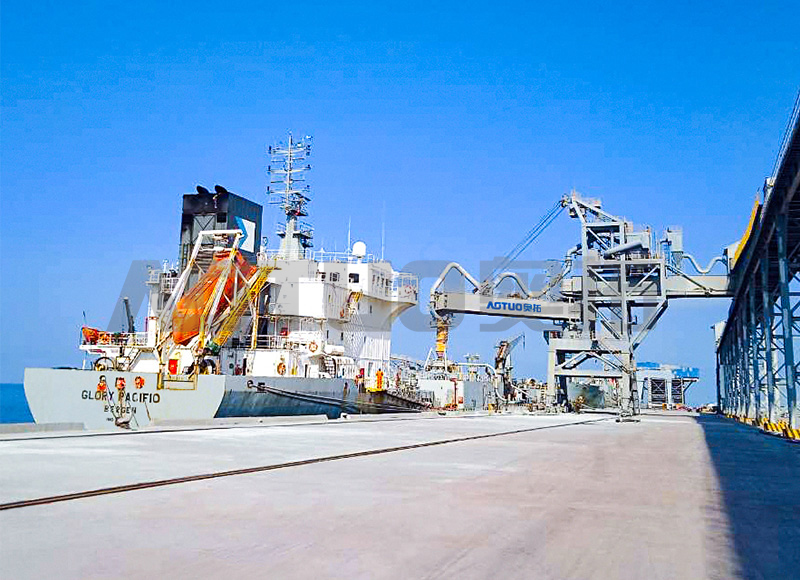
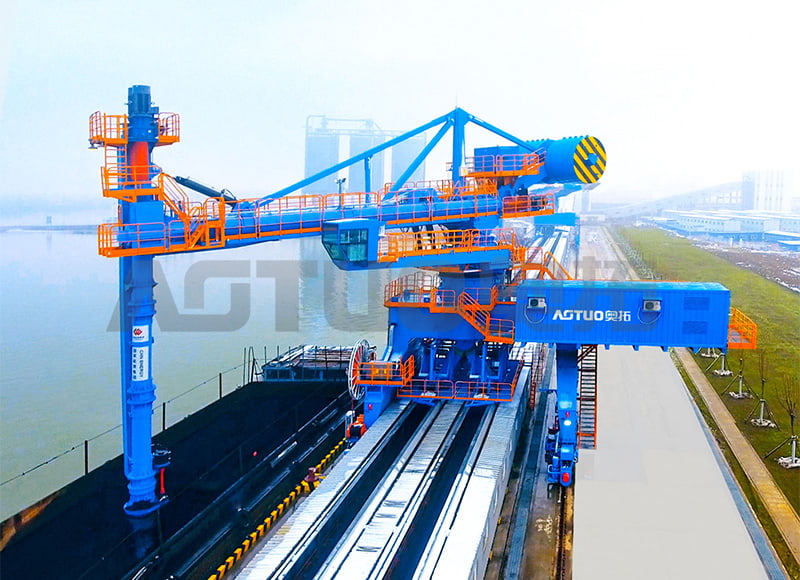
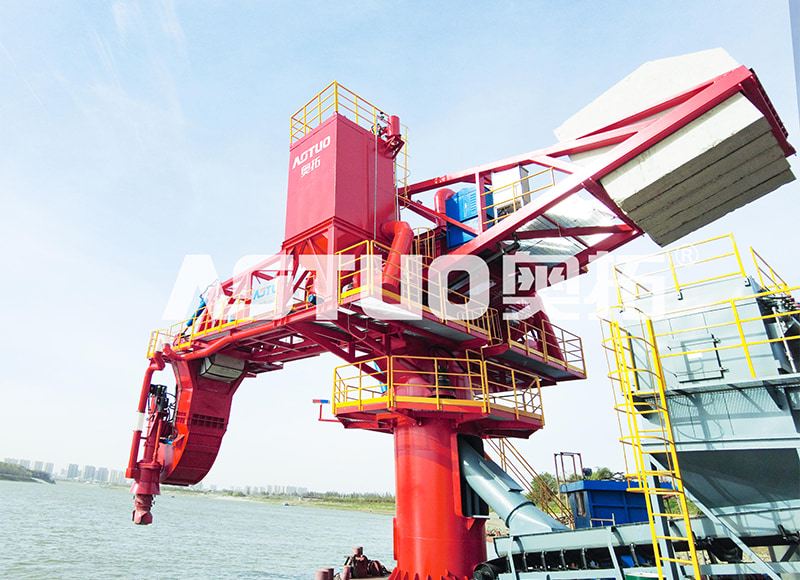
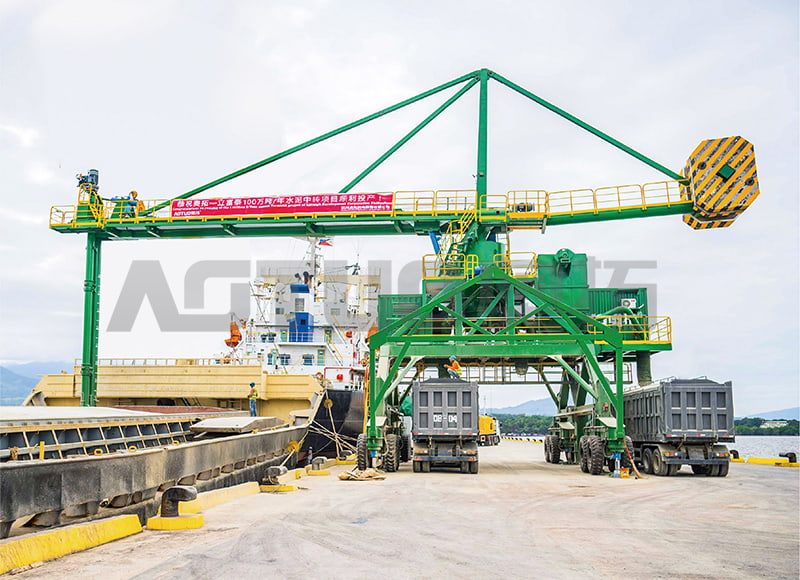
In the modern maritime logistics sector, the pressure to optimize Capital Expenditure (CAPEX) while maintaining high throughput has never been greater. For port authorities and terminal operators, the choice between permanent installations and flexible solutions is a multi-million dollar decision. A high-performance mobile ship loader offers a transformative alternative to traditional fixed systems. Hangzhou Aotuo Mechanical and Electrical Co., Ltd. (AOTUO), a national high-tech enterprise established in 2003, is a pioneer in the dry bulk material port transfer system. With over 20 years of R&D experience and more than 100 patents, AOTUO specializes in high-end equipment including environmentally friendly screw unloaders and mobile ship loader solutions. Our technology is designed to handle capacities up to 3000t/h for ships up to 200,000 DWT, providing the technical robustness required to replace static infrastructure effectively.
The most immediate financial impact of choosing a mobile ship loader is found in the minimized requirement for heavy jetty reinforcement. Fixed loading systems exert massive localized static and dynamic loads, necessitating expensive deep-pile foundations and specialized berths. When comparing mobile vs fixed ship loader infrastructure costs, the mobile alternative utilizes a "wheel-on-dock" or "crawler" design that distributes weight more evenly across the existing wharf. This eliminates the need for rail-track installations and heavy-duty concrete substructures. Furthermore, the benefits of mobile ship loaders for small ports are profound, as they allow for multi-purpose berth utilization without dedicated permanent footprints. By installing a mobile ship loader on existing wharves, operators can avoid the lengthy environmental permitting processes associated with new marine construction.
| Investment Factor | Fixed Loading System | Mobile Ship Loader |
| Civil Engineering Costs | Extreme (Foundations & Rails) | Low (Utilizes Existing Jetty) |
| Berth Utilization | Dedicated (Single Purpose) | Flexible (Multi-Purpose) |
| Permitting Duration | Long (Environmental/Construction) | Short (Equipment Purchase) |
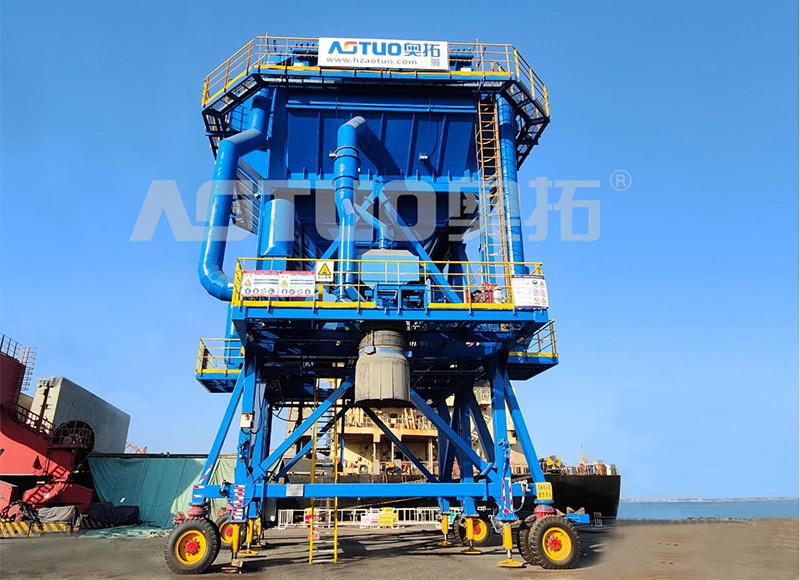
Time is a critical component of ROI. A mobile ship loader can be manufactured, delivered, and commissioned in a fraction of the time required to build a fixed complex. For improving bulk material loading efficiency with mobile units, the ability to relocate the loader along the ship's length reduces the need for frequent vessel warping (re-positioning), which lowers tugboat and line-handling fees. When analyzing mobile ship loader vs fixed system maintenance costs, the mobile unit provides the advantage of "shore-side maintenance." Instead of technicians working over water on a fixed gallery, the mobile ship loader can be moved to a maintenance bay for safer and faster servicing. At AOTUO, our dry bulk material port transfer system integration ensures that mobile ship loader environmental impact is minimized through advanced dust collection and intelligent control systems.
Fixed infrastructure is a "sunk cost" that cannot be recovered if trade routes change. A mobile ship loader, however, is an asset that can be resold or relocated to another terminal, providing a significant safety net for the port infrastructure investment. For choosing a mobile ship loader for cement and grain, the equipment can be tailored to specific density and flow characteristics while remaining mobile. Mobile ship loader capacity and ship type compatibility are also scalable; as your port grows to handle larger vessels like 200,000 DWT ships, mobile units can be added in tandem. This modular approach allows for "pay-as-you-grow" expansion, which is far more cost-effective than over-building a fixed system for projected future capacity that may not materialize.
| Business Metric | Fixed Loading System | Mobile Ship Loader |
| Asset Mobility | Zero (Permanent) | High (Relocatable/Resalable) |
| Scalability | Difficult (Requires Re-construction) | Easy (Add Modular Units) |
| Residual Value | Low (Scrap Value Only) | High (Secondary Market Demand) |
Choosing a mobile ship loader over a fixed system can reduce port infrastructure investment by 30% to 50% depending on the existing jetty condition. Through reduced civil works, faster deployment, and superior operational flexibility, mobile systems represent the future of efficient maritime bulk handling. Hangzhou Aotuo Mechanical and Electrical Co., Ltd. (AOTUO) continues to lead the industry as a responsible drafting unit for industry standards, ensuring that our high-end, mobile ship loader technology provides the reliability and efficiency required for the world's busiest ports.
Yes. AOTUO's mobile systems can achieve an unloading and loading capacity of up to 3000t/h and are compatible with vessels up to 200,000 DWT, matching the performance of many fixed systems.
Modern mobile units are equipped with advanced dust collectors and telescopic chutes. AOTUO's systems are designed to be "environmentally friendly," utilizing enclosed conveyors to prevent material spillage and air pollution.
Generally, it is lower. Because the equipment is accessible from the ground and can be moved away from the corrosive marine splash zone when not in use, long-term wear and tear are easier to manage.
In many cases, it reduces the initial CAPEX by nearly 40% by eliminating the need for jetty piling, rail installation, and complex conveyor galleries required by fixed systems.
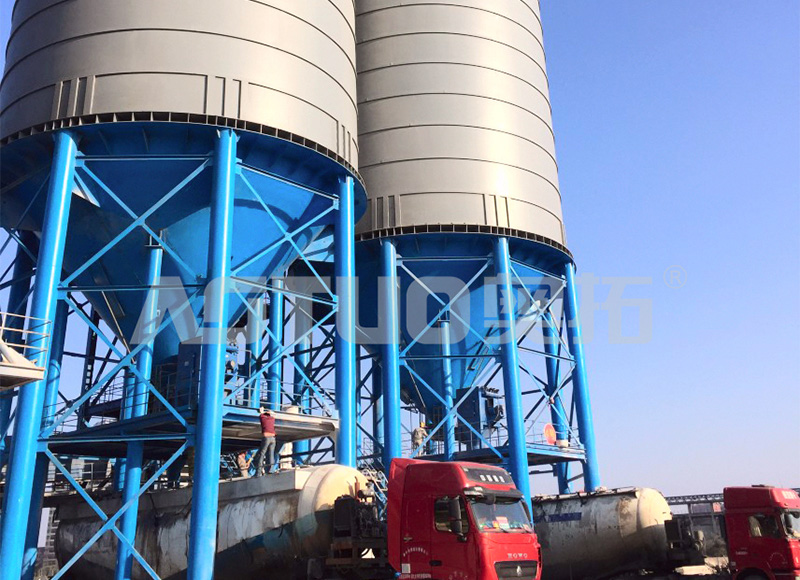
Absolutely. Choosing a mobile ship loader for cement and grain is common because the systems can be customized with different screw or belt configurations to handle various bulk densities and abrasive qualities.
It is focused on the overall solution of dry bulk material port transfer system,
research and development, manufacturing, and service
Copyright © Hangzhou Aotuo Mechanical and Electrical Co., Ltd. All Rights Reserved. Custom Material Conveyor Transfer Systems Manufacturers