Article Directory
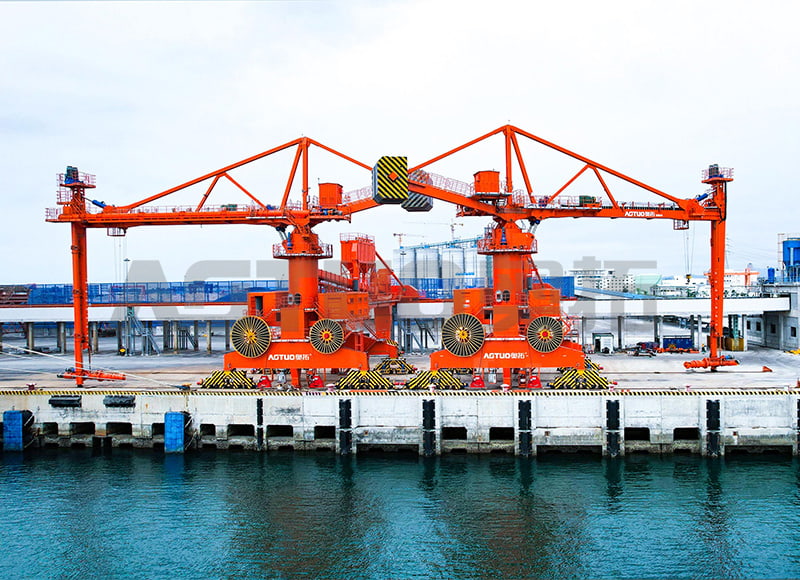
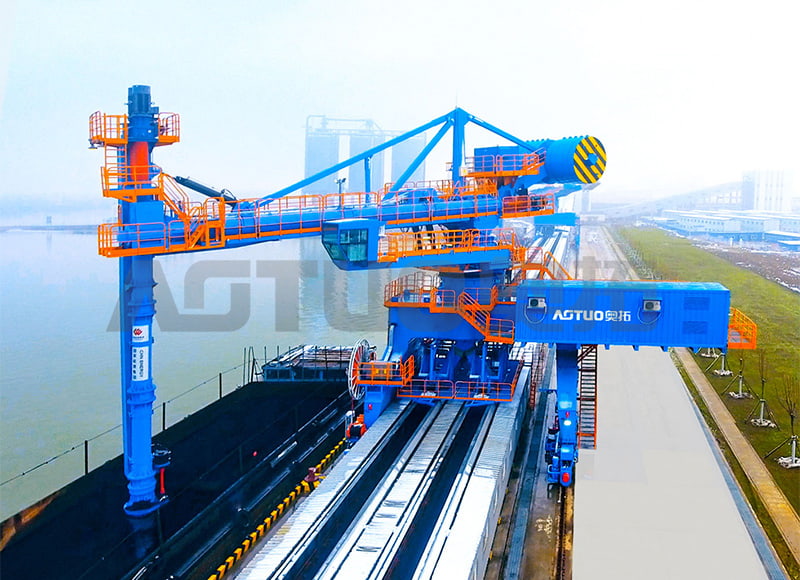
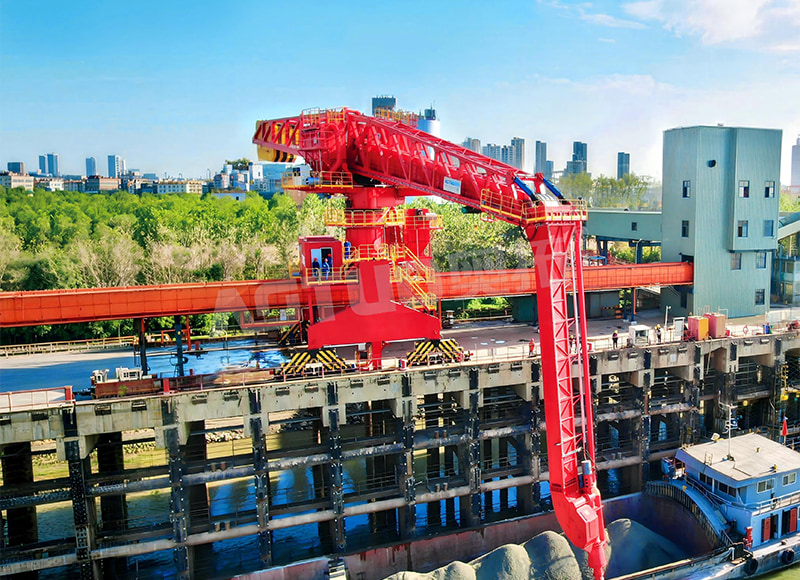
Travelling Ship Loaders move thousands of tons of bulk material under continuous load, dust, and marine exposure, and none of that is forgiving of skipped maintenance. A structured maintenance program is what actually stands between reliable loading performance and unplanned downtime that stalls an entire terminal. Here is what that program should cover and why each part matters.
A travelling ship loader is really several systems working together, mechanical, electrical, hydraulic, and structural, all under high operating load. Regular maintenance is what prevents mechanical failure, keeps loading efficiency up, reduces downtime, and protects both workplace safety and equipment lifespan. Skip it, and wear, corrosion, and system failures compound quietly until they hit productivity hard.
Routine inspection of gears, bearings, couplings, wheels, and rails catches abnormal wear before it turns into a breakdown, while structural checks on steel frames, welds, and connection points matter especially for equipment exposed to changing outdoor weather. Lubrication at bearings, gearboxes, drive systems, and slewing mechanisms lowers friction and operating temperature, directly extending component life. Corrosion protection, coating maintenance, rust removal, and structural cleaning, matters most in coastal environments where salt spray and humidity attack steel structures, fasteners, and electrical enclosures continuously.
Control panels, sensors, motors, cables, and connections need regular testing to prevent control failures and safety system problems before they cause an unexpected shutdown. Hydraulic systems, used for boom lifting and position control, depend on checked oil levels, sound hoses and fittings, and seals replaced before they fail, since accurate loading positioning depends on that system working smoothly. The travelling mechanism itself, wheels, rail alignment, drive motors, and gear reducers, needs its own inspection cycle to keep movement smooth and mechanical stress low.
Not every system carries equal risk when maintenance slips. Conveyor and electrical systems tend to cause the most disruptive downtime when neglected, since both sit directly in the material handling and control path.
Illustrative Downtime Risk If Neglected
| Frequency | Main Tasks |
| Daily | Visual inspection, lubrication checks, noise monitoring |
| Weekly | Conveyor inspection, electrical checks, safety systems |
| Monthly | Mechanical inspection, hydraulic system checks |
| Quarterly | Detailed equipment testing and adjustment |
| Annually | Comprehensive inspection, major component evaluation |
Vibration monitoring, temperature sensors, remote diagnostics, and automated warning systems let operators catch early problems, predict failures, and time maintenance instead of reacting after something breaks. None of that replaces trained operators, though. Correct startup procedures, safe loading practices, and proper daily inspection habits prevent the excessive mechanical stress and accelerated wear that poor operation causes on its own.
An effective strategy starts with assessing actual operating conditions, loading frequency, and material characteristics, then builds inspection schedules and service procedures around that reality. Maintaining critical spare parts, conveyor components, bearings, electrical parts, and hydraulic components, on hand reduces downtime when something does need unexpected repair.
Proper maintenance is what keeps Travelling Ship Loaders performing reliably over their full operational life. Regular inspection, lubrication, corrosion protection, condition monitoring, and trained operators together deliver longer service life, higher loading efficiency, less downtime, and a better return on a significant capital investment.
Daily visual checks combined with weekly, monthly, quarterly, and annual inspections at increasing depth is the standard structure for a preventive maintenance program.
Conveyor and electrical systems tend to cause the most disruptive downtime when neglected, since both sit directly in the material handling and control path.
No. Monitoring technology helps catch early problems and optimize timing, but it works alongside routine inspection and trained operators, not as a replacement for either.
Travelling ship loaders often operate in coastal or marine environments where salt spray and humidity accelerate corrosion on steel structures, fasteners, and electrical enclosures if left unaddressed.
It is focused on the overall solution of dry bulk material port transfer system,
research and development, manufacturing, and service
Copyright © Hangzhou Aotuo Mechanical and Electrical Co., Ltd. All Rights Reserved.
Custom Material Conveyor Transfer Systems Manufacturers